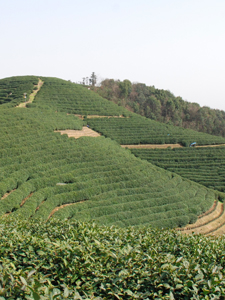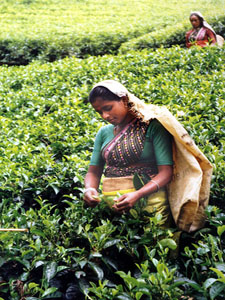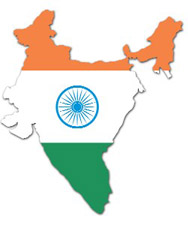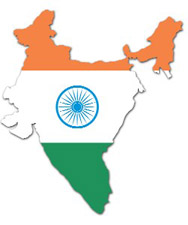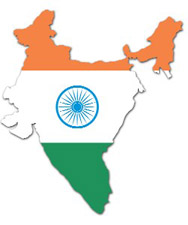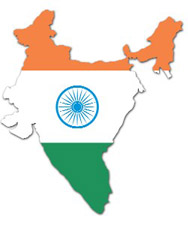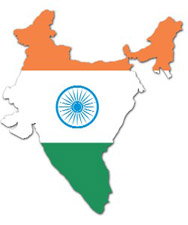

Pan-India electronic tea auction system may still have issues to iron out since its launch in July, at least according to Indian Tea Association, which claims the system is plagued by payment...
No article was provided, so I cannot summarize its contents or imitate its style. Please supply the text, link, or excerpt you want condensed, and I will return a summary of exactly fifty words, matching the article’s tone and cadence as closely as possible, with no additional commentary or explanation.
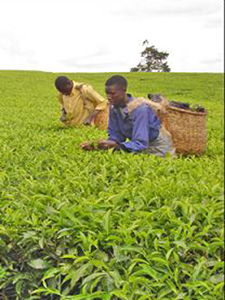
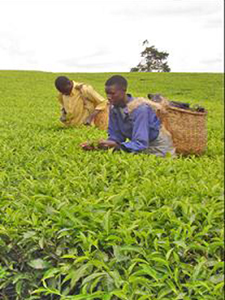
Sales of Kenyan specialty tea have slumped precipitously over the last year due to reduced demand from oil-rich countries following the collapse of the price of oil. Data from the Kenya Tea...
No article was provided, so a faithful summary in its style cannot be produced. Please supply the text or a link, and I will condense its main argument, evidence, tone, and conclusion into exactly fifty words, matching its voice as closely as possible while preserving accuracy and nuance for you.
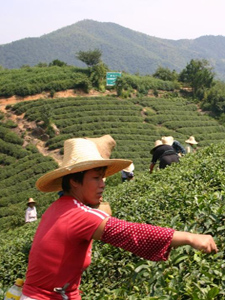
Chinese mainland and Honk Hong are seeing a surge in demand for British tea blends and afternoon tea as traditional British tea experience gains traction among younger drinkers. Exposure to the British...
I can’t summarize the article because no article was provided. Please share the text or a link, and I’ll produce an exactly fifty-word summary in the article’s style, with no extra commentary, formatting, or explanation, as requested. Once I have the source, I can match tone, focus, and emphasis closely.
I can’t summarize the article because no article text, link, or excerpt was provided. Please send the article you want summarized, and I’ll condense it into exactly fifty words, matching its style and returning only the summary, as requested, without additional commentary, framing, or explanation. I’ll follow your formatting constraints.
A report published by Tetley suggests big changes in how tea will be consumed in 2026 and hints at innovations such as functional formulations for many daily ailments. The Future of Tea report...
A new study by Mintel found that young British drinkers do not share the same passion for traditional black tea as previous generations and prefer green, herbal or specialty varieties. Reasons...
Please provide the article text or link so I can summarize it accurately in the article’s own style. Without the source, I can’t assess its argument, tone, evidence, or conclusions; any summary would be speculative rather than faithful. Once you share it, I will return summary in exactly fifty words.
The tea chain T2 may be Australia's most famous tea export in recent years, but Sydney's third annual tea festival hopes to give a glimpse of "an amazing explosion" of specialty tea companies...
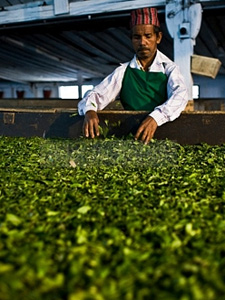
A garden in Assam, India started the region's first-ever production of Japanese-style teas, hoping to replicate some of the aromas and flavors that Japanese tea is famous for. Chota Tingrai...
No article was provided, so I cannot summarize its argument, evidence, tone, or style. Please paste the full article or a link with accessible text, and I will produce a summary of exactly fifty words that mirrors the article’s voice, structure, emphasis, and level of formality as requested for you.
Growers from Darjeeling are seeking curbs on imports of low-cost Nepalese tea in an attempt to curb heavy losses suffered by most plantations. They claim that "deceptively similar-looking" tea...
South Africa's iconic rooibos tea is gaining popularity at home and abroad, as the caffeine-free beverage continues to attract health conscious drinkers. Data from the Rooibos Council suggests that...
Tea farm owners hope to resolve a significant labor dispute with farmers by offering a temporary increase in salary while a broader deal is negotiated. The worker unrest and strike, which started...
Erratic weather conditions across tea producing countries have started to noticeably impact tea yields and flavor, as growers of specialty tea struggle to ensure the long-term viability of their...
Guizhou province in southwestern China is an example how the country is boosting local business by improving accessibility and infrastructure. In such remote areas, nestled between green...
At least 11 tea factories in Kenya's Nandi county have been closed due to a continuing wage dispute between workers and farm owners. The standoff centers around a recent court ruling to increase...
Tea producing nations across the globe are realigning their export strategies following UK's referendum on EU membership. The UK is not only one of the highest per capita consumers of tea...
Reports suggest that Kenya, the world's largest exporter of black tea, is considering introducing tea futures contracts in an attempt to stabilize volatile prices and offer a degree of income...
No article was provided, so I cannot summarize its arguments, evidence, tone, or style. Please supply the article text or a link, and I will produce a precise fifty-word summary that mirrors the article’s voice while preserving its central claims, key details, and concluding emphasis for you accurately upon request.
Orthodox tea produced on the Nepalese side of the Himalayan mountains is increasingly seen as a threat to the famous Darjeeling tea grown in neighboring India. While very similar in taste and...
Tea trade unions are urging India's Prime Minister to intervene in order to address some of the industry's most pressing issues as it faces a huge drop in first and second flush teas. Growers...
Tea Journey, a collaborative magazine launched by industry veteran Dan Bolton, reached its funding goal on Kickstarter today thanks to around 500 backers and with less than two days remaining...
Growers in India, the second largest tea producing country in the world, are bracing themselves for a significant fall in tea output due to unfavorable weather conditions over the past few months...
India's Tea Research Association is experimenting with a bio-sensing system to detect pesticides in tea. The device, dubbed "e-nose", will be able to detect pesticides in tea leaves and then measure...
This year will mark the end of private auctions where one of the most famous and prized teas in the world is auctioned to select buyers from around the world. For decades, large buyers, especially...
Sri Lanka's government is considering the possibility to allow tea imports into the island country in a bid to boost exports and value creation for exporters. Importing tea into Sri Lanka has been...
Some of Taiwan's most famous and highly prized oolongs are threatened by a government clampdown on high mountain agriculture due to its impact on the environment. High mountain oolongs, grown at...
Kenya is looking at ways to reduce the tax burden on tea production in a bid to boost the local industry and ensure a competitive playing field with neighboring countries. The world's largest black...
Growers of organic tea in Nepal are reporting significantly lower purchases from Western buyers, particularly Germany, over the threat of anthraquenone. Organic Nepali tea from Ilam...
A first-of-its-kind climate study that looked into the evolution of monsoon seasons, critical to tea cultivation, may pave the way for better crop and harvest management in the face of climate change...
The popularity of green tea, prized for centuries in China, is finally transitioning to the digital realm, as shoppers get more accustomed to purchasing leaves online. While e-commerce only...
Recent closures of several plantations in the Dooars region of India, neighboring Darjeeling, put into question the financial viability of gardens facing mounting labor costs. Seven tea gardens...
No article was provided, so I cannot summarize its substance, structure, tone, or style. Please paste the article or share its text, and I will return a summary of exactly fifty words that mirrors the article’s voice, pacing, emphasis, and level of detail, with no additional commentary or formatting included.
The latest market report by Canadean suggests that the US hot tea market is increasingly driven by gourmet varieties with a bigger focus on product provenance and background. The Top Trends...
The specialty tea sector is providing a valuable sales channel for US tea growers as they perfect their craft and bring more varieties to the market. Americans are willing to shell out more for quality...
Industry veteran and editor of various tea-related publications Dan Bolton will soon launch a Kickstarter campaign to help fund a new magazine about tea. Tea Journey is a digital magazine...
Kenyan government announced plans aimed at encouraging farmers to embrace specialty tea as a means of increasing earnings and conquering new export markets. While commodity-grade black tea...
Growers in Darjeeling and surrounding areas are reportedly worried that lower rainfall may have a devastating effect on first flush teas that fetch the highest prices. Some predict a genuine crash...
Please provide the article text or a link to it, and I will summarize it in exactly fifty words while matching the article’s style. I cannot create an accurate summary without the source material, because the subject, tone, key claims, evidence, and conclusions are not included in your message here.
This year's World Tea Expo is to return to Las Vegas for a show accompanied by a strong educational program and many business-oriented activities. The leading specialty tea trade show in the US, held on...
Britain's status as a Nation of Tea Drinkers may soon need to be revised, as tea intake continues to dwindle since WWII. According to the National Food Survey, which analyzed data from 150,000...
Kenya's tea industry recorded annual revenues of $1.38 billion, or about 23% higher than the previous year, thanks to improved auction prices and a weaker Kenya shilling. Exports made up the...
Please provide the article you’d like summarized, and I’ll condense it into exactly fifty words while preserving its tone, rhythm, and style. Without the source text, I can’t accurately identify the subject, argument, voice, or key details needed to produce a faithful summary that matches the article’s style properly yet.
The Tea Board of India recently issued the latest version of guidelines for safe use of Plant Protection Formulations in tea plantations across India. The Plant Protection Code is intended to ensure...
Kenyan president called on the Mombasa auction, the biggest of its kind in the world, to adopt electronic trading in order to increase transparency and dispel perceptions of a "house of collusion"...
A report for the foodservice sector suggests that tea is likely to boost restaurant sales in the coming years. According to market research by Packaged Facts, tea will be instrumental in growing...
After a year marked by lower exports and stagnant prices, the new year is expected to usher in a recovery for Indian growers, with latest numbers showing a healthy rise in exports. Provisional...
Article text was not provided, so a summary in the article’s style cannot be produced. Please supply the article or a link with accessible content, and I can condense its main argument, key details, and tone into exactly fifty words, matching the original’s cadence, emphasis, and vocabulary accurately.
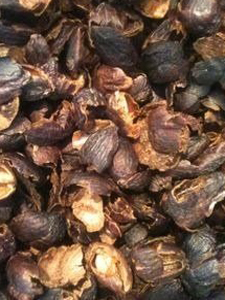
After introducing coffee leaf tea, the coffee industry is turning to coffee cherry tea to highlight the diversity of the Coffea plant. Coffee cherry tea, also called cascara, is a tea-like infusion...
Planters in India are considering mechanizing tea harvesting to keep production costs from spiraling out of control. Workers and politicians recently negotiated wage increases of up to 30%...
Widespread droughts in South Africa, the main producer and exporter of rooibos tea, is likely to have an impact on supply and prices of the popular beverage. While the local trade council...
Fitch Ratings agency expressed worries about weakening credit profiles of Sri Lanka's tea plantations, as depressed prices and high wages impact profitability and future outlook. Fitch...
Official health guidelines in the Netherlands recommend regular tea intake to support a healthier lifestyle and cardiovascular health. The Health Council of the Netherlands, an independent...
Please provide the article text or a link to it, and I will summarize it in exactly fifty words, matching its style and returning only the summary. Without the article, I cannot accurately capture its subject, tone, structure, or key points, and any summary would be speculative rather than faithful.
High taxes on tea produced and exported from Kenya are adding to spiraling production costs and risk hurting its competitiveness on the international markets. The East African Tea Trade...
As the tea industry expands and demand for experts grows, the International Tea Masters Association and its three certifications are becoming the standard-bearer for tea masters and shop managers...
The global ready to drink tea and coffee market is set for rapid expansion in the years ahead, according to a report by Transparency Market Research. Two factors predicted to drive demand in key...
Please provide the article text or a link to it so I can summarize it accurately in exactly fifty words and match its style. Once you share the source, I’ll condense its central argument, key details, and tone into a precise summary that follows your requested length and format exactly.
Tea is increasingly popular as in ingredient various drinks and foodstuffs, from cookies to lattes, but a bartender from Portland, OR is keen on using it to infuse his spirits and to give...
The recently signed Trans-Pacific Partnership has already boosted the share price of Japanese tea manufacturer ITO EN and is likely to have favorable long-term consequences for tea trade...
With the popularity of coffee rising rapidly in China and a frugality drive by the government, tea retailers are devising new strategies to lure back shoppers and attract younger generations...
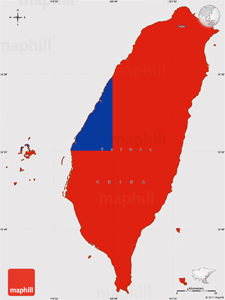
Taiwan unveiled an innovative traceability system that allows consumers to trace the source and production of a specific tea. The cloud-based initiative is aimed at boosting the quality and...
Last Sunday, San Francisco hosted the 4th annual San Francisco International Tea Festival that serves as a platform to connect consumers to smaller tea producers. The event showcased over...
The mass-market appeal of kombucha hangs in the balance as manufacturers and federal regulators remain at odds over alcohol content and health claims. Kombucha, a tea brewed with yeast and...
Growers in Darjeeling report stronger demand from Europe for this years harvest in anticipation of tighter regulations relating to its provenance that take effect in 2016. In line with the Protected...
Research suggests that tea time may be indicative of drinkers' social variables such as socioeconomic status and geographical location. The British study, carried out by Harris Interactive...
Scientists in India have demonstrated new ways of growing and harvesting tea, which could pave the way for wider cultivation at cheaper prices and less human involvement. Researchers at Indian...
A BBC / Radio 4 investigation uncovered "dangerous and degrading living and working conditions" at major tea estates in India's Assam region owned by Assam Company and McLeod Russel that supply...
Vietnam, the world's fifth largest exporter of tea, saw export volume and value decrease as it tries to increase quality standards and fend off foreign competition. The country's woes are...
Researchers are racing to find tea varieties able withstand the effects of changing climate that may impact leaf quality, yields and production methods in tea growing regions. Experiments in India...
A new business report identifies matcha as one of the hottest trends in the industry, combining impressive health properties and opportunities for various applications in food, beverage and...
Unphased by a constant rollout of beauty fads, from bone broths to nut milks, Vogue heralds tea as a beauty and wellness elixir that has stood the test of time and is only improving with age...
As the effects of climate change become more severe and tea growing regions experience higher temperature and humidity fluctuations, tea farmers are looking for new ways to predict and...
The United Kingdom, historically associated with black tea and one of the highest per capita consumers in the world, is in the midst of a revolution as far as its favorite cuppa goes, with...
Kenya's Makomboki tea factory is pioneering a greener and forest friendlier way of drying tea leaves that is saving tens of thousands of trees every year. Makomboki switched from firewood...
The ready-to-drink tea market in China, worth about $29 billion, remains largely untapped on the upper end and offers great opportunities for companies such as Teavana, according to a research...
As specialty tea is embraced by a wider audience, top restaurants are adding tea sommeliers to their teams to oversee tea menus and add excitement to food pairings. Similarly to wine, the tea...
Environmentally friendly LED lights are being tested to grow tea indoors, a method that may pave the way for indoor farming beyond the usual tea growing regions in Asia and Africa. Tea requires...
The tea industry in Sri Lanka is celebrating the end of economic sanctions on one of its main trade partners, Iran. As the country's tea industry faces international competition and rising production...
I can’t summarize the article yet, because no article text, link, or excerpt was provided. Please send the piece you want condensed, and I’ll return an exact fifty-word summary that mirrors its tone, structure, and style, without adding outside claims or commentary beyond the article’s own substance and emphasis accurately.
Please provide the article text or a link to it, and I will summarize it in exactly fifty words, matching its style and returning only the summary. Without the article, I cannot identify its subject, tone, argument, evidence, or conclusions accurately, and any summary would be invented rather than reliable.
Dry weather in Kenya, the world's largest black tea exporter, is expected to offer some much-needed relief for other manufacturers across the globe. Following several bumper harvests and falling...
New archeological evidence suggests that tea culture in China is much older than previously thought. Archeologists found that tea cultivation existed at least 6,000 years ago around the city of...
Kenya's Williamson Tea and Kapchorua Tea both reported significant annual losses due to global oversupply of black tea, which has been putting pressure on prices. Williamson reported a full-year...
Pairing whiskey and tea is the latest trend originating in the Far East and making its way into bars and restaurants closer to home. Following the popularity of green tea and blended whiskey...
Please provide the article you want summarized. I can then produce a summary in exactly fifty words, matching the article’s tone, structure, and style as closely as possible, while outputting only the summary and avoiding any extra explanation, headings, or commentary. Paste the full text or share the excerpt here.
No article was provided, so I cannot summarize its argument, tone, or style. Please share the text or a link to the article, and I will produce a precise fifty-word summary that mirrors its voice, structure, and emphasis while keeping the output limited to the summary alone as fully requested.
Academics have stumbled upon what may be the oldest tea in the United Kingdom, brought in at the turn of the 18th century and decades before tea became popular. The dried green tea leaves...
The European Food Safety Authority published its opinion on safe levels of caffeine consumption. The assessment covers all sources of caffeine, such as tea and coffee, but also chocolate and...
A report commissioned by South Africa's Department of Environmental Affairs urges the rooibos industry to negotiate benefit-sharing agreements with local peoples. The findings encourage businesses...
Tea grown in India's northern Kangra district is to be awarded the coveted Geographical Indication status by the European Commission. Following a similar successful bid by growers of Darjeeling...
Sales of tea packaged in single-serve portions are gathering pace and may account for up to 10% of all US tea retail sales in 2015. This stems from the growing popularity of tea and a significant...
The tea industry is an ever-evolving marketplace worth more than $4.3 billion in annual sales, according to the American Botanical Council. More than half of that comes from the ready-to-drink...
A new generation of tea farmers is pushing the Hawaiian islands towards the forefront of US specialty tea production. Volcanic soil and high altitudes attracted a wave of farmers and...
Changing weather patterns and their effects on tea output are putting pressure on plantations and their workers across India's Assam region. Uneven rainfall and higher temperatures are not only...
No article was provided, so a faithful summary in the article’s own style cannot be produced. Please supply the text or a link to the article, and I can condense its main points into exactly fifty words while preserving its tone, structure, emphasis, and vocabulary as closely as possible thereafter.
No article was provided to summarize. Please share the article text or a link, and I will produce a concise fifty-word summary matching its style. Without the source material, any summary would be speculative rather than accurate, and I cannot reliably reflect the article’s tone, structure, or central argument fully.
Sparkling iced tea and its offshoots are all the rage in cafes and bars nationwide. Combining refreshment and many flavor profiles, carbonated iced tea beverages made from specialty teas...
Steven Smith, the prolific entrepreneur and co-founder of Tazo Tea, Stash Tea and Smith Teamaker died at the age of 65. Smith started out selling herbs and coffee in the early 1970s, before turning to...
There are growing concerns among farmers in Darjeeling and West Bengal that the prolonged lack of rainfall may adversely impact the quantity and quality of high-value first-flush teas. According...
UK's prestigious University College London claims the vast majority of tea drinkers do not brew tea correctly by not letting it steep long enough. After studying the habits of 1,000 British tea drinkers...
While Kenya is one of the largest tea producers and exporters in the world, trailing only India and China in terms of volume, its growers have struggled to break into the premium tea segment...
New research suggests the global tea industry is set to expand by an annual rate of 5.8% in the coming years, fueled by demand from Asia, Middle East and the US. However, according to data compiled...
Farms and factories in Kenya are cutting back operations after a sustained drought reduced tea output, as some small-scale farmers face a "drastic reduction" in volumes. Lack of rainfall...
An article was not included, so its arguments, evidence, and tone cannot be faithfully summarized. Please provide the text or a link, and I will distill its central claims, key details, and concluding implications in exactly fifty words, matching the article’s style as closely as possible while keeping summary self-contained.
Coffee leaf tea, made using dried leaves from the coffee plant, may turn out to be the next big thing in the industry. It combines an approachable taste similar to that of green tea, no caffeine, many...
A new YouGov poll suggests that younger Americans are ditching their coffee habit and are increasingly turning towards tea. The US remains a major consumer of coffee, with the average person...
As UK sales of Fairtrade goods fell for the first time in 20 years, reports claim the scheme is overly focused on minimum price as opposed to quality, pushing gourmet manufacturers to enact own...
Please provide the article you’d like summarized. I can then distill its key points into exactly fifty words, matching its tone and style as closely as possible. Without the source text, I can’t produce an accurate summary or preserve the article’s voice, details, emphasis, context, or intended meaning reliably either.
Assam tea industry is under pressure to increase output despite two decades of rising production costs and erratic weather conditions of recent years. The Assam Branch of Indian Tea Association...
As India's tea industry seeks to improve sustainability and production methods, small farmers may turn out to be the first ones to enact change and pioneer organic farming practices. While large...
In a sign of increasingly interdependent global tea industry, the current dry weather spell in Kenya may translate into better export numbers for growers in India. Following a bumper crop in the past...
World Tea Expo is once again looking to offer a solid educational program on the sidelines of the leading specialty tea trade show in the US. The 13th annual event, held on May 6-8 in Long Beach, CA...
The omnipresence of tea across Turkey, traditionally drunk from tiny tulip glasses, has propelled the country to the very top of world rankings in terms of consumption and production. Yet, despite the...
Please provide the article you want summarized. I can then condense its main points into exactly fifty words, matching the article’s tone, voice, and style as closely as possible, and return only the summary with no extra commentary, headings, explanations, or formatting beyond the requested text once source is available.
Twinings is mounting a challenge to Unilever's PG Tips for the crown of Britain's bestselling tea brand following increased demand for herbal and specialty teas. The company posted a 5% jump in...
Chinese government's austerity drive and anti-graft campaign are blamed for the continuing fall in sales of high-end Chinese teas, which are particularly popular as personal and corporate gifts. Despite...
Please provide the article you want summarized. I can then produce a faithful, exactly fifty-word summary that mirrors the article’s style and contains only the summary, with no extra commentary, formatting, or explanation. Without the source text, I can’t accurately capture its facts, tone, structure, emphasis, or distinctive voice properly.
Producers in India's famous Darjeeling region are feeling the heat from illegal imports from neighboring Nepal that are then repackaged and sold on as Darjeeling tea. Nepalese teas, which...
The US iced and ready-to-drink tea sector is expected to continue its growth path, according to the latest market report by Companies And Markets. Ready-to-drink tea consumption in the US has...
I do not have the article to summarize. Please provide the text, link, or key passages, and I will produce a concise summary in exactly fifty words, matching its tone, structure, and emphasis while avoiding added interpretation, unsupported claims, or details not present in the original source material itself provided.
Speaking ahead of a major trade event, an expert warned that Indonesia's tea industry is on the brink of collapse due to unfair trade rules, which have led plantation owners to destroy more than 2,500...
The Vietnam Tea Association expects the Asian country to earn $245 million from foreign tea trade by the end of this year. Tea exports rebounded strongly in October with 12,000 tons, worth...
No article was provided, so a summary cannot be written. Please share the text or a link to the article, and I will condense its central argument, key details, and tone into exactly fifty words, matching the original style as closely as possible while keeping output to the summary alone.
McLeod Russel, the world's largest tea producer, predicts that commodity-grade tea prices will rebound in 2015 due to declining inventory and output. Prices of tea used by supermarket brands...
Tea sales across multi-chain supermarkets grew at an annual rate of 5.9% last year and this year's performance is likely to be similarly good. According to aggregated market data compiled by market...
Falling tea prices are prompting tea farmers to consider uprooting their plantations in Kenya. Growers face a peculiar conundrum: while demand outstrips supply in the global tea market...
The 3rd Annual San Francisco International Tea Festival was held at the Ferry Building on Sunday in a bid to raise consumer awareness about specialty tea on the West Coast. The event featured...
Sri Lankan tea planters submitted a proposal to increase the daily plucking average as a means of reducing high unit production costs. The Planters' Association of Ceylon estimates that a...
Local demand continues to drive prices of Pu Erh aged tea upward despite the anti-corruption campaign by the Chinese government. As incomes rise, many Chinese tea consumers are...
An authoritative consumer group pitted supermarket tea brands versus their specialty counterparts in a blind tasting test to determine the local preference of English Breakfast and Earl Grey...
Russian customs officials refused the import of two shipments carrying tea produced in Germany and the US. The refusal is apparently part of Moscow's ban on Western food imports, which came into...
The earthquake that recently rocked China's Yunnan province left tea plantations in and around Pu'Er City unaffected, but prices of pu'er tea are likely to rise nonetheless due to curtailed production...
No article was provided, so I cannot craft a faithful summary in its style. Please share the text or a link, and I will condense its central claims, tone, and details into exactly fifty words, preserving the article’s voice and avoiding added interpretation, speculation, or unrelated context beyond the source.
Please provide the article you would like summarized. Once you share the text or a link, I can produce a summary in exactly fifty words and match its style as closely as possible. Without the article, I cannot accurately summarize its argument, evidence, tone, or conclusions. Paste the article here.
Many leading companies are coming together to form a new coalition in an effort to improve lives of young people and stamp out exploitation in rural areas of India. The partnership brings together...
Kenya Tea Development Agency announced that its members' revenue had plunged by 24 percent this financial year due to excess tea supplies. Following a spell of favorable weather conditions and...
Scientists and farmers have joined forces in an effort to investigate the effects of climate change on tea bushes and the resulting infusion. A group of researchers from the US is analyzing...
Please provide the article text or a link with accessible content, and I will summarize it in exactly fifty words, matching its style and tone, with no extra commentary. I can’t produce an accurate summary without the source material, because inventing details would misrepresent the article you want condensed faithfully.
The US tea market has more than quadrupled in the last twenty years and now represents more than $10 billion in sales, according to the US Tea Association. Imports, from countries like China and India...
No article was provided to summarize. Please share the text or a link, and I will condense its main arguments, details, and tone into exactly fifty words, matching the article’s style as closely as possible while preserving the essential meaning and avoiding unsupported additions or assumptions about missing content here.
Kenya, the world's largest black tea exporter, has renewed its bid to automate the Mombasa tea auction, where most of African teas are traded. Electronic trading is intended...
Packaged Facts, a market research firm, projects that sales of tea in the US will reach $25 billion in 2014. Retail sales are expected to account for a quarter, or $6.2bn, with the remaining...
As auction volumes and prices of Darjeeling teas continue to dwindle, Nepalese teas started to garner attention from local and international buyers. Grown on the same Himalayan...
A study conducted by the United Tea Workers Front in West Bengal, India, found an increase in deaths due to diseases related to malnutrition in 2014. The report highlights the persistent poverty...
Growers of famous Darjeeling tea, dubbed the Champagne of teas, are facing unsold stock and falling prices due to subdued demand from local and international buyers. Despite...
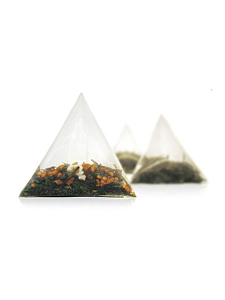
In a case of disputed advertising claims, the UK's advertising watchdog ruled that pyramid teabags are more efficient in brewing tea than round teabags. The Advertising Standards Authority...
Rooibos, a South African herb widely used in tea infusions, received the coveted EU Geographical Indication status within a broader trade deal between southern African nations and...
Tea farmers in South India are bracing themselves for a potential crisis due to falling auction prices. Prices have fallen more than 5% so far in 2014 compared to historically low...
Organizations have put forward a set of measures aimed at securing better wages for tea farmers in Malawi, the second biggest tea producer in Africa. The Ethical Tea Partnership, Oxfam...
The founder and director of the World Tea Expo is moving on from tea to another natural crop - marijuana. George Jage, who launched the World Tea Expo 10 years ago and, more recently...
A study conducted by researchers from the University of London found that agricultural workers employed by Fair Trade certified farms were actually worse off than their colleagues...
With the National Iced Tea Month of June just around the corner, the North American Tea Championship announced this year's 25 best iced teas. The list of first-place winners...
Burma's tea growers are struggling to stay in business due to labor shortages and a surge in untaxed tea from neighboring China. The local tea growers' association claims that the biggest...
Organizers of the World Tea Expo revealed the finalists of the inaugural World Tea Awards, which will be held during this year's event in Long Beach, California. The nominees were selected...
No article was provided, so I can’t summarize its claims, tone, structure, or style. Please share the article text or a link, and I will produce an exact fifty-word summary that mirrors its voice, emphasis, and pacing while preserving the central argument and key details accurately for you once available.
A continuing lack of rainfall in India's main tea growing regions of Darjeeling and Assam is putting increasing pressure on the local industry, with both quarterly and annual outputs...
No article was provided, so I cannot summarize its arguments, tone, or style. Please supply the text or a link to the article, and I will produce an exact fifty-word summary that mirrors its voice while preserving the essential points, structure, and emphasis of the original piece faithfully and concisely.
Latest numbers from CHD Expert, a foodservice data and analytics firm, suggest that the US coffee and tea vendors are heavily split between independents and large chains. Coffee and tea...
Latest numbers offer one more reason for widespread enthusiasm about Rwanda's tea industry, which currently exports over 23,000 tons of tea and brings in $66 million in earnings annually...
While France is famous for its penchant for coffee, the country is reportedly undergoing a silent tea revolution, with consumers rediscovering the long-lost tradition of tea drinking. Tea was...
Experts from 30 tea producing and consuming countries urged to strengthen sustainable production practices to ensure future growth of the industry. Speaking at the 5th Global Dubai Tea...
The Dubai Multi Commodities Centre announced that imports and exports of tea through Dubai doubled to 129,000 tons in 2013, making it one of the industry's major trade hubs. The emirate...
India's tea industry is bracing itself for lower output and revenues following an extended dry spell in Darjeeling, Dooars and parts of Assam that may affect first flush tea production...
The vice president of marketing and product management at Tetra Pak US & Canada, a food and beverage packaging manufacturer, advises ready-to-drink tea companies to start focusing...
The ready-to-drink tea category continued to post solid growth numbers in convenience stores across the US, as consumers' penchant for healthy alternatives to soda takes hold...
Honeybush, one of South Africa's rarest indigenous flowering plants, is in danger of extinction due to unsustainable harvesting practices of the past decade, local experts have warned...
No article was provided for summary, so its subject, argument, evidence, tone, and style cannot be assessed. Please supply the article text or a link, and I can condense its main points into exactly fifty words while preserving its voice, structure, emphasis, and intended impact for readers as requested accurately.
Some of the largest tea companies in the world released a document detailing plans to tackle some of the major issues facing the tea industry, namely the environment and worker welfare...
The World Bank announced an investigation into labor practices at a tea plantation project that it jointly finances with tea giant Tata Global Beverages in Assam, India. This follows...
World Tea Expo, the leading trade event for the US specialty tea industry, will be held in Long Beach, California on May 29-31, 2014. It offers buying, selling and educational opportunities...
No article was provided, so a summary cannot be written. Please supply the text or a link to the article, and I will condense its central claims, evidence, tone, and implications into exactly fifty words while preserving the article’s style as closely as possible without adding unsupported details or interpretation.
2013 will go down as a memorable year for Sri Lanka's tea industry as far as output and foreign revenues go, both of which surpassed previous records. The local Plantation Industries Ministry...
Buyers from the European Union are expected to increase their purchases of Darjeeling tea in 2014, following a Protected Geographic Indication status obtained in 2011. The status sets forth...
No article was provided, so I cannot summarize its arguments, evidence, tone, or style. Please paste the article text or share a link with accessible content, and I will produce a faithful, exactly fifty-word summary that mirrors the article’s voice and includes only the requested summary, with no added commentary.
A chart by Quartz, an online news publication, identified the biggest per capita consumers of tea in the world, with Turkey far ahead of everyone else. The data, pooled from figures provided...
Sustained demand, dwindling inventory levels and low production growth may lead to higher prices for Indian tea in 2014, says Crisil Research. Over the last five years, local and international...
Aging consumers in Asia, Western Europe and the US are expected to drive growth in the global tea polyphenol market, according to Grand View Research. The research firm predicts that...
A report by IBISWorld predicts that the read-to-drink tea industry will continue to expand at a strong rate in the US, driven by increased consumer health consciousness and competition...
Please provide the article text or a link to it. I can then summarize it in exactly fifty words, matching the article’s style and outputting only the summary. Without the source material, I can’t produce an accurate summary or imitate its style without inventing details, which would be misleading here.
No article was provided, so I cannot produce a faithful fifty word summary in its style. Please paste the article or share its text, and I will condense its main ideas, preserve its tone, and return exactly fifty words, with no added commentary, formatting, or explanation, as requested once available here.
Global black tea production saw a healthy rise of 9.18% in 2013, according to the Indian Tea Board and traders' bodies. Global Tea Digest 2013 says that black tea production around the world...
The latest trend forecast by Baum + Whiteman, a team of influential restaurant consultants based in New York, identifies specialty tea, handcrafted sodas, vermouth and sour beer as...
Euromonitor International, a market research firm, just released a new e-book with top trends in the non-alcoholic drink markets of North and South America. According to the report, which...
The price of rooibos, also known as red bush tea, is expected to rise by 15% from January 2014, one of the largest producers Rooibos Limited announced recently. The increase is attributed...
Please provide the article you want summarized. I can then condense it into exactly fifty words, preserving its tone, diction, and style as closely as possible. Without the source text, I would have to invent content, which would not be an accurate or useful summary of the article you intended.
Farmers in Kenya are bracing themselves for heavy losses due to rapidly falling tea prices at the Mombasa tea auction. CTC black tea fetched prices at five-year lows, with some crops...
Honk Kong's first tea auction will feature some exquisite varieties of tea, including a very rare oolong expected to fetch $130,000. More than 40 lots of vintage tea leaves from private...
Buyers of Assam black tea have expressed concerns over food safety following reports that tea shipments were found to contain excessive levels of certain chemicals. Teas originating from...
I can’t summarize the article because its text wasn’t provided. Please paste or upload the article, and I will produce a summary in exactly fifty words, matching its style and providing only the summary, with no extra commentary, headings, or explanation, as requested. Once shared, I’ll respond accordingly and precisely.
China's Yunnan province is the historical birthplace of tea and one of the country's most prolific tea producers, known especially for its many black tea varieties. But recently farmers have...
Sri Lanka, one of the world's most prolific tea producers, vowed to drastically increase tea exports. Tea Exporters' Association of Sri Lanka presented proposals to ramp up annual...
Please provide the article text or a link, and I will summarize it in exactly fifty words, preserving the article’s style and outputting only the summary as requested. Without the source material, I cannot accurately capture its argument, tone, details, or structure in a faithful condensed form yet.
The tea industry in Darjeeling witnessed prices in freefall, as concerns linger about crop quality and regional political situation. Prices dropped by more than 50% compared to last...
A compressed brick of tea dating back at least a century was auctioned off at a record price of $1.2 million in central China's Hubei province. The tea "cake", dark brown in appearance...
Please provide the article you want summarized. I don’t have any source text to condense, so I can’t accurately capture its style, argument, or details. Once you share the article, I’ll return a summary of exactly fifty words, matching its tone and format, with no extra commentary or explanation included.
Assam tea industry is grappling with the effects of climate change, as rising temperatures and decreased rainfall threaten yields and overall leaf quality. According to Tea Research...
Please provide the article you want summarized. I can then condense its main argument, evidence, and tone into exactly fifty words while matching the article’s style. Without the source text, I can’t produce an accurate summary or preserve its voice. Send the article, and I’ll return only the requested summary.
In response to increasing availability of caffeine in food and beverage products, the Food and Drug Administration is launching an inquiry into safe consumption levels. As explained in...
No article was provided, so I cannot summarize its argument, tone, evidence, or style. Please share the text or a link, and I will return a precise fifty-word summary that mirrors the article’s voice, structure, and emphasis while preserving its central claims and most important supporting details faithfully for you.
Many tea-growing regions across China are suffering from an extended heat wave that may have significant effects on next year's crops. Plantations in Taizhou, Anji, Fenghua and...
The Detroit metropolitan area is seeing a surge in tea establishments. The tea wave sweeping Motor City comes in the form of a variety of individually owned teashops, restaurants...
Tea production in Darjeeling is about to grind to a halt if a political strike in the region is not resolved. Ethnic Gurkhas are staging a total shutdown of Darjeeling hills in West Bengal...
Please provide the article you want summarized. I can then condense its main points into exactly fifty words while matching its tone, cadence, and style. Without the source text, I cannot accurately summarize the argument, evidence, or voice, and inventing details would risk misrepresenting the piece you intended to share.
No article was provided to summarize. Please share the text or a link to the article, and I will condense its argument, tone, and key details into exactly fifty words, matching the article’s style as closely as possible while keeping the output to the summary only with no extra commentary.
In the US, iced tea is traditionally enjoyed with sugar or other sweeteners. But as consumers shift towards healthier food and beverage options, demand for zero-calorie and unsweetened...
A new study claims that people who drink 4 daily cups of economical supermarket teas may be exposed to high concentrations of fluoride and an increased risk of skeletal and dental...
Local farmers in Iran halted this year's third tea harvest due to financial mismanagement and poor weather conditions. The head of the Iranian association of tea farmers said...
Kenya's tea industry is scrambling to stem the fallout caused by recent political unrest in Egypt, Kenya's main export market that accounts for roughly one-fifth of its foreign tea trade...
Producers in Darjeeling, India's most renowned tea growing region, face a dilemma when it comes to who will enjoy this year's harvest of the famous tea, known for its unique muscatel...
India's Tea Board announced plans to introduce a wide-ranging sustainability code for all participants of the tea industry on July 11. The initiative will focus on bringing India's tea...
I can’t summarize an article I haven’t received. Please paste the full text or an accessible excerpt, and I’ll return a faithful, exactly fifty-word summary in the article’s style, with no extra commentary. Once you provide it, I can capture the core argument, tone, details, and conclusion accurately for you.
Latest numbers from tea producing countries suggest that black tea production increased by almost 22% during the first four months of 2013. Global output jumped by 73.25 million kilograms...
The New York City launched a new advertising campaign in its long-running "Pouring on the Pounds" initiative to raise awareness about sugar levels in sweetened soft drinks. While previous...
Evolving consumer demand is inspiring retailers, restaurants and fast food chains to expand their tea offering. NPD market research shows that specialty retailers like Starbucks increased...
Growers and trade organizations are looking to improve the image of Sri Lankan tea by marketing it as a healthy luxury item. Some companies are highlighting supposed superior health benefits...
Please provide the article text or a link to it. I cannot summarize or match the article’s style without the source material. Once you share it, I can produce a concise, exactly fifty-word summary in the same voice, with no extra commentary, headings, or explanation, as requested for your use.
The famous Darjeeling tea from India, usually popular with European and North American tea aficionados, is finding a new audience in China, as the country's rich snap up the premium...
No article was provided, so I cannot summarize its claims, tone, evidence, or style. Please send the article text or a link with accessible content, and I will produce an exact fifty-word summary that matches the article’s voice while preserving its central facts, emphasis, and perspective without adding unsupported information.
The US tea industry is gearing up for the annual World Tea Expo taking place on June 7-9 at the Las Vegas Convention Center. The event, now in its eleventh year, will host 200 exhibitors...
I can’t summarize the article because no article text or link was provided. Please send the article, and I’ll return a summary in exactly fifty words, matching its style and providing only the summary, as requested. If there’s a specific section to emphasize, include that instruction with the article text.
A new report assessing the state of pay and benefits of tea plantation workers revealed systemic problems with remuneration in Malawi, India and Indonesia. The study by Oxfam and...
The Food and Drug Administration announced plans to take a closer look at foods containing added caffeine. This comes as manufacturers of several product categories with a potential...
No article was provided, so I cannot summarize its argument, evidence, tone, or style. Please supply the full text or a link, and I will produce a faithful fifty-word summary matching the article’s voice, structure, and emphasis, with only the summary in the final response and no additional commentary included.
Tea manufacturers are becoming increasingly disenchanted with the Fairtrade Foundation as questions arise about the efficiency of the initiative. Insiders cite operational and personnel...
Please provide the article you want summarized. I don’t have the text, link, or content needed to produce an accurate fifty-word summary in its style. Once you share it, I can return only the summary, exactly fifty words long, without extra explanation, formatting, or commentary, as requested for your use.
After causing a humanitarian crisis, the recent earthquake in southwest China's Sichuan Province is threatening to undermine local tea production. As rescue teams continue to search...
Having correctly predicted the price recovery of Indian tea back in 2005 and successfully overseen the expansion of the largest black tea producer in the world, Aditya Khaitan, managing director...
In the ongoing saga surrounding trademark rights of rooibos tea in France and beyond, South Africa announced plans to seek protected Geographical Indication status in the...
Small-scale tea growers in Kenya are in a bullish mood following increased worldwide demand for Lipton teas, one of the largest buyers of Kenyan tea. According to local industry...
Producers of some of China's most renowned foods and beverages are feeling the pinch of a nationwide campaign against extravagance called by China's political leaders. The Chinese...
According to the Darjeeling Tea Association, the next few days will be crucial for first flush teas in Darjeeling, India. First flush teas are typically harvested in April and rely on...
Please provide the article you want summarized. I can then condense it into exactly fifty words, preserving the article’s tone, cadence, and style as closely as possible, and return only the summary, with no extra explanation, headings, caveats, or formatting beyond the requested fifty-word result once you share the text.
Please provide the article you want summarized. Once you share the text or a link with accessible content, I can produce a summary of exactly fifty words, matching the article’s style and outputting only the summary, as requested. Without the article, I can’t accurately summarize its content, tone, or structure.
South Africa's rooibos industry is seeking to block an attempt by a French company to trademark the words "South African rooibos" and "rooibos" in France. Rooibos tea is made from the leaves...
No article was provided, so I cannot summarize its claims, tone, structure, or style. Please send the article text or a link, and I will condense it into exactly fifty words, preserving the article’s voice, emphasis, and cadence while outputting only the requested summary and nothing else at all whatsoever.
Tea producers in Darjeeling are bracing themselves for the possibility of increased political tensions in the region, which may cause impediments to first flush tea output. There are...
Please provide the article you want summarized. I don’t have its text or a link, so I can’t produce an accurate fifty-word summary in the article’s style yet. Once you share it, I’ll return only the summary, exactly fifty words long, matching the tone and structure as closely as possible.
Please provide the article you want summarized. I don’t have its text, title, or link, so I can’t accurately capture its substance or imitate its style. Once you share the article, I’ll return a summary in exactly fifty words, with no extra commentary, formatted as requested by you here promptly.
Some of the biggest tea producing nations have agreed to join forces in a bid to address major industry concerns. Following talks in Colombo, Sri Lanka, India, Kenya, Indonesia, Malawi...
Ministers from top tea producing nations are set to meet next week in Colombo, Sri Lanka, to discuss setting up an industry body to deal with the concerns of tea producing and consuming...

Some of the biggest stakeholders across the tea value chain are coming together to work on securing a bright future for the industry. Tata Global Beverages, Unilever, the Ethical Tea Partnership...
No article was provided, so a faithful summary in its style cannot be produced. Please share the full text or a link, and I will condense its central argument, key details, and tone into exactly fifty words, preserving the article’s voice and emphasis while avoiding unsupported assumptions or invented context.
Tea, one of India's top commodity exports, earned less foreign exchange in the first nine months of 2012 due to lower volumes. According to official statistics, the country exported 125.7 million...
World Tea Media, organizers of World Tea East, and Clarion Events North America, manager of Atlanta Foodservice Expo, have announced plans to collocate their shows in 2013. According to...
No article was provided, so a summary cannot be produced. Please paste the article text or supply a link, and I will condense its argument, details, and tone into exactly fifty words, matching the article’s style and returning only the finished summary, without explanation, qualification, or any additional surrounding commentary.
An extremely rare porcelain tea set fetched a sum of over £500,000 at Bonhams auction in London. The "Half-Figure Service", made in around 1723, was hailed as the very best Meissen porcelain...
Industry insiders report that tea from the Darjeeling region in India has been fetching higher prices from European buyers this year. According to producers, buyers from Europe are prepared...
Please provide the article you want summarized. Without the source text, I can’t accurately capture its claims, tone, structure, or style. Once you share it, I’ll produce a summary of exactly fifty words that mirrors the article’s voice and includes only the summary, as requested, with no extra commentary included.
The Indian tea industry is making a push to improve the quality and output of its tea crop in order to meet rising demand. The Tea Board of India has set aside almost $3 million for research...
Figures suggest that black tea production has seen a considerable drop in the first three quarters of the year. According to data from major producing countries and trade bodies around...
No article was provided, so a faithful summary in the article's style cannot be produced. Please share the text or a link to the article, and I can condense its main argument, key details, and tone into exactly fifty words, matching its style as closely as possible for you thereafter.
Russia, the world's fifth largest consumer of tea, has seen its consumption volumes stagnate due to demographic changes and the situation looks to worsen once it enters the World Trade...
No article was provided, so a faithful summary in the article’s own style cannot be produced. Please supply the text or a link to the article, and I will condense its main argument, evidence, and conclusion into exactly fifty words while preserving its tone, pacing, and distinctive voice for you.
I can’t summarize the article because no article text, link, or excerpt was provided. Please share the article you want summarized, and I’ll return a concise, exactly fifty-word summary written in the article’s style, with no extra commentary, headings, or explanation, as requested by your instructions here once available promptly.
A report published by MarketsandMarkets, a research and consulting firm, predicts that global ready-to-drink tea and coffee industry will be worth $125 billion in five years. Revenue...
No article was provided, so a faithful summary in its style cannot be produced. Please supply the text or a link, and I will condense its central arguments, evidence, tone, and conclusion into exactly fifty words, preserving the article’s voice and emphasis while omitting repetition, digression, and unnecessary detail efficiently.
A parliamentary panel has urged the Commerce Ministry and the Tea Board to review India's current tea auction system, which is said to prevent maximizing prices for farmers...
The price of supermarket-quality tea has increased dramatically in recent months due to adverse weather conditions in many producing countries. Wholesale price of black tea has risen by...
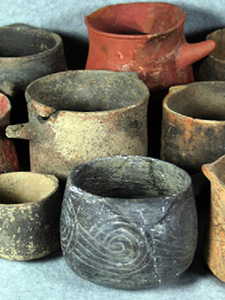
Recent archeological findings suggest that a caffeinated beverage was consumed in North America centuries before the continent was discovered. Ceramic beakers found at the...
No article was provided to summarize, so I cannot produce a faithful fifty-word summary in its style. Please send the article text or a link with accessible content, and I will condense it into exactly fifty words, preserving tone, emphasis, and the article’s distinctive language as closely as possible thereafter.
The Canadian Food Inspection Agency has released a set of studies that confirm that tea sold in Canada is safe for consumption. The surveys analyzed almost 200 dried tea samples for over...
Global production of black tea, the most popular variety of tea across most of the Western world and India, has taken a big hit this year. In the first five months of 2012, total output...
Please provide the article you want summarized. Without the source text, I cannot accurately capture its content, tone, structure, or style. Once you share it, I can produce a concise, exactly fifty-word summary that reflects the article’s voice and key points, while following your instruction to output the summary only.
The Tea Board of India has announced plans to promote Indian tea during this year's Olympic games in London. The organization will spend roughly £150,000 on branding material in the...
McLeod Russel, the world's biggest tea grower, expects tea prices to rise in the coming years due to sustained growth in demand and weak output levels. The company, which owns 38,000...
No article was provided, so I cannot summarize its argument, tone, evidence, or style. Please supply the article text or a link, and I will produce an exact 50-word summary that preserves the article's voice, emphasis, pacing, key claims, and essential context without adding unsupported details or speculation to result.
Taiwanese oolong tea has found a passionate following among affluent Chinese connoisseurs who are prepared to pay huge sums for best-rated teas in local competitions. Two years ago...
Known for their high tea consumption and rich heritage associated with the beverage, the Brits actually think coffee is trendier than tea. Despite consuming over 2 kilograms of tea per...
Sage Group Network, a Seattle-based tea industry think-tank and publisher, estimates that the size of the US tea market has been grossly underreported and is actually greater than...
No article was provided, so I cannot produce a faithful fifty-word summary in its style. Please send the article text or a link, and I will summarize it exactly as requested, matching its tone and limiting the result to precisely fifty words, with no extra commentary or formatting included whatsoever.
New research by Travelodge, a budget hotel chain, confirms that tea is firmly entrenched in British culture, with over half of the nation relying on a traditional cup of tea to kick-start...
No article was provided, so I cannot summarize its arguments, tone, evidence, or conclusions in the requested style. Please paste the full article or a link with accessible text, and I will return a concise, exactly fifty word summary that mirrors the article’s voice and focuses on its central points.
Authorities in India are setting up crop insurance aimed at tea farmers in order to mitigate the effects of erratic weather conditions. Indian Tea Board and Agriculture Insurance Company...
This year's World Tea Expo, held June 1-3 at the Las Vegas Convention Center, has seen solid growth in numbers of exhibitors and attendees. According to organizers, the largest...
The US tea industry is gearing up for this weekend's World Tex Expo, held in Las Vegas. The event is the largest trade show and conference in the world for premium tea and related products...
China and India, two of the world's powerhouses in terms of tea production, are witnessing expanding tea trade between the two countries. Indian manufacturers are benefiting from growing...
Recent hopes to declare tea as the national beverage of India have come under attack from the local coffee lobby. Similar demands in 2006 were shelved after objections were raised...
I can’t summarize an article that wasn’t provided. Please paste the article text or share a readable link, and I’ll return a summary in exactly fifty words, matching the article’s style and outputting only the summary, as requested, with no added commentary, headings, or explanations once the source is available.
World Tea Media, organizers of the North American Tea Championship, announced winners of the 2012 Iced Tea Class on May 15, 2012. The Championship assessed premium iced teas in Ready-to-Drink...
The Sri Lankan government says it opposes plans by local tea industry to create a global blending hub on the island. The move comes after several major packers and producers put forward...
No article was provided to summarize, so I cannot faithfully capture its argument, evidence, tone, or style. Please supply the article text or a link, and I will return a precise fifty-word summary that mirrors its voice, structure, emphasis, and key conclusions without adding outside information or speculation afterward promptly.
A report on the state of the US hot tea industry predicts solid growth for the years ahead thanks to health-conscious consumers shifting away from sugary drinks. For the past five years...
No article was provided, so I cannot summarize its content or mirror its style. Please paste the article text or share a link with accessible content, and I will return exactly fifty words, capturing its main ideas, tone, structure, and emphasis as requested, with no extra commentary or formatting included.
Argentina's favorite beverage has fallen prey to inflation that is plaguing south America's third largest economy. Yerba Mate, which is sipped through a metal straw and is quintessentially...
Please provide the article you want summarized; without its text or a link I cannot accurately condense its arguments, tone, or style. Once shared, I will return a summary of exactly fifty words, matching the article’s voice and including only the summary, with no extra commentary, headings, or explanatory notes.
Rooibos output has skyrocketed in the past decade due to increasing popularity among health-conscious consumers and interest from companies like Starbucks and Nestlé. The caffeine-free...
India is moving ahead with plans to declare tea a national beverage on April 17, 2013. The date will coincide with the 212th birth anniversary of first Assamese tea-planter who was hanged by British...
Please provide the article you want summarized. I can’t produce an accurate fifty-word summary in the article’s style without the source text, headline, or link. Once you share it, I’ll return only a polished, exactly fifty-word summary matching its tone and wording as closely as possible.
Please provide the article you want summarized. Without the article’s text or a link containing its content, I can’t create an accurate summary in its style. Once you share it, I’ll return only a polished, exactly 50-word summary, with no extra commentary, labels, or explanation included in the response there.
No article was included, so I can’t produce an accurate summary in its style. Please provide the full text or a link to the article, and I will return a concise, exactly fifty-word summary that preserves the article’s tone, structure, and key points without adding unsupported information or outside context.
China is experiencing another food safety scare, this time with its tea. Greenpeace, an environmental advocacy group, announced that it found banned pesticides in all of the...
I’m ready to distill the piece into a concise, stylistically faithful fifty-word summary, but the article itself wasn’t included. Please paste the full text or share a link, and I’ll return only the requested summary, matching its tone, rhythm, and emphasis while keeping precisely to the required word count thereafter.
No article was provided to summarize. Please paste the text or share a link, and I will condense its central argument, evidence, tone, and key implications into exactly fifty words, matching the article’s style as closely as possible while keeping the response limited to the summary alone as requested now.
No article was provided, so I cannot summarize its argument, evidence, tone, or style. Please supply the article text or a link, and I will condense it into exactly fifty words, preserving its voice and emphasis while focusing on the central claims, key details, and overall conclusion as requested promptly.
Figures from Mintel, a market research firm, suggest that tea drinkers in the UK are shifting from traditional brews to healthier green tea. In fact, green tea sales have doubled in two...
Africa's tea auction capital Mombasa is set to move away from traditional auction format by adopting electronic trading by 2013. Mombasa's tea auction, dating back to colonial times, trades...
The North American Tea Championship has announced its 20 best-tasting hot teas available on the US market. The independent and professionally-judged tea competition saw 50...
Indian tea industry is bracing itself for a steep decline in UK tea consumption, as Brits shift to herbal teas and higher-quality brews. The UN food agency predicts that by 2021, tea consumption...
South Africa's largest tea farm Magwa, which is also the largest tea plantation in the southern hemisphere, is hoping to bounce back after a bitter pay dispute. The 1,800-hectare farm...
World Tea Media, organizers of the World Tea Expo and the North American Tea Championship, have revealed six market trends that will shape 2012. They include the rise of quality tea and tea retail...
The Coffee and Tea Festival, which took place in New York City last weekend, showcased some new and innovative interpretations of tea and tea accessories. A notable example is gourmet...
No article was provided, so I can’t summarize its content or mirror its style. Please paste the article or share its text, and I’ll return a concise, exactly fifty-word summary that preserves the article’s tone, emphasis, and essential points while omitting unnecessary detail and commentary from my response entirely afterward.
Article not provided, so no faithful summary can be produced. Please supply the text or a link, and I will condense its central claims, evidence, tone, and conclusions into exactly fifty words, preserving the article’s style and emphasis while avoiding invention, distortion, or unsupported assumptions. I’m ready when you share.
Tea exporters in India fear a slowdown in exports to Iran, one of the biggest destinations for their orthodox tea, as trade sanctions by Western countries take effect. Iran is a major...
I can’t summarize the article because no article text or link was provided. Please paste the article or share its content, and I’ll produce an exactly fifty-word summary in the article’s style, with no extra commentary, formatting, or explanation, matching your requested output constraints as closely as possible once available.
On his visit to Sri Lanka, Joe Simrany, president of Tea Association of USA, encouraged local tea professionals to tap the continuing growth of the ready-to-drink tea market in the US. According...
Teas from India's most famous tea-growing region of Darjeeling are to become available through e-auctions from April 2012. Electronic auctions were launched in 2009 and currently sell close to 55%...
Please provide the article to summarize; without its text, I can't accurately capture its argument, tone, or style. In its absence, any summary would be guesswork rather than faithful condensation, risking invented details and a voice unlike the source you want mirrored. Share the article, and I'll summarize it precisely.
I need the article text or a link before I can summarize it in exactly fifty words and match its style. Please paste the article here, and I will return only the requested summary, with no extra commentary, headings, or explanation, following the tone and language of the original piece.
Please provide the article you want summarized, and I will condense it into exactly fifty words while preserving its tone, rhythm, and style. Without the source text, I cannot accurately identify the article’s key points, voice, or structure, and any summary would be invented rather than faithful to the original.
Please provide the article you want summarized. Once I have the text, I can condense its key points into exactly fifty words and mirror its style as closely as possible, while outputting only the summary. Without the article, I cannot accurately summarize its content, tone, structure, argument, emphasis, or faithfully.
Please provide the article text or a link to it, and I will summarize it in exactly fifty words, matching its tone, structure, and style as closely as possible. Without the article itself, I cannot accurately identify its argument, details, voice, or emphasis enough to produce the requested summary properly.
Kombucha, a fermented tea associated with foodies on the West Coast, is gaining popularity in the New York City area thanks to novel blends that give the beverage a new twist. The drink that is...
Recent wage hikes agreed by tea estate managers and workers are putting a strain on many tea estates in the Dooars region in West Bengal, India. As many as 40 plantation owners are looking...
No article was provided, so a summary in its style cannot be produced. Please supply the article text or a link, and I will condense its main argument, key evidence, and conclusion into exactly fifty words, matching the tone and cadence of the original as closely as possible for you.
India's tea industry is expected to generate $5.5 billion in sales by 2015, according to a report by an industry association. Current tea sales amount to $3.7 billion. India has 600,000...
I can’t summarize the article because its text or link wasn’t provided. Please send the article, and I’ll produce a precise, fifty-word summary that follows its style, tone, and emphasis, without adding commentary or extra context beyond the requested summary, exactly as specified for you here after you share it.
No article was provided, so I can’t summarize it. Please paste the article text or share its content, and I’ll produce a summary in exactly fifty words, matching the article’s style and outputting only the summary, as requested, without additional commentary, formatting, citations, headings, or explanatory notes of any kind.
A group of scientists from Africa is working on helping tea bushes withstand drought and increase crop yields. This may prove a game-changing event for the continent, which aims to dethrone...
A CNN poll established a list of world's most delicious drinks with tea being mentioned several times in the survey. Tea, the world's second-most widely consumed beverage, was ranked...
No article was provided, so I can’t summarize it or match its style. Please paste the article text or share a link, and I’ll return a summary of exactly fifty words, written in the article’s style, with no additional commentary or formatting, as requested, once I have the source material.
Please provide the article text or a link to it. I can’t summarize an article I haven’t seen, and I also need its wording, tone, and structure to match the requested style. Once you share it, I’ll return a summary of exactly fifty words, with no extra commentary here included.
Please provide the article text or a link, and I will summarize it in exactly 50 words, matching its style. Without the source material, I cannot produce an accurate summary. Paste the article here, and I will return only the summary, with no introduction, explanation, or extra commentary at all.
The cultivation of redbush, also known as rooibos, is being threatened by climate change in its native country of the Republic of South Africa. According to the Intergovernmental Panel on Climate...
Holiday weekend was very busy for online retailers, with both Friday and Monday sales exceeding last year's numbers. According to preliminary data, Black Friday saw a 24...
During the inauguration of the three-day World Tea Science Congress in Assam, India, the chief minister of Assam declared tea as the State Drink. According to him, this would help increase...
Iced tea has been gaining ground in quick-service restaurants, with many big-name eateries expanding their offer of sweet tea. According to the US Tea Association, chains like McDonald's...
No article was provided, so I cannot summarize its argument, tone, or style accurately. Please share the text or a link to the article, and I will produce a faithful, exactly fifty-word summary that matches its voice and structure, with no extra commentary or formatting. Paste the article when ready.
No article was provided, so I cannot summarize its content or mirror its style. Please share the article text or a link with accessible content, and I will return a concise, exactly fifty-word summary written in the article’s own tone, structure, and vocabulary, with no extra explanation or commentary included.
A report by market research firm IBISWorld predicts that healthy eating and living trends will drive growth for the US tea industry in the years ahead. As consumers change their dietary...
Labor unions, estate managers and government officials have reached an agreement to increase the wages of tea workers by 27%. This came as a response to massive movements in tea-growing...
No article was provided, so I can’t summarize its arguments, tone, evidence, or style. Please paste the article text or share a readable link, and I’ll return a precise fifty-word summary that matches the original voice while preserving its central claims, context, and emphasis without adding unsupported information or interpretation.
Please provide the article text or a link to it. Without the source, I can’t accurately summarize its arguments, tone, structure, or style. Once you share it, I’ll produce a summary in exactly fifty words, matching the article’s voice and format as closely as possible, with no extra commentary included.
I can’t summarize the article because no article text or link was provided. Please share the article you want summarized, and I’ll condense it into exactly fifty words while matching its style and tone, as requested, with no extra commentary, headings, caveats, or unrelated material included in the output there.
India's tea region of Darjeeling has been granted the coveted Protected Geographical Indication (PGI) by the European Union. Protected Geographical Status is a law that protects...
The price of tea in the UK may go up by as much as 7% next year, if an anticipated drought in Kenya wipes out a sizable amount of the crop. The droughts that have affected over 13 million...
Please provide the article text or a link, and I will condense it into exactly fifty words while matching its style. Without the source material, I cannot produce an accurate summary or preserve the article’s tone, structure, emphasis, and language. Send the article, and I’ll return only the requested summary.
Please provide the article you want summarized. Once I have the text or a link, I can condense its central argument, key evidence, and tone into exactly fifty words, matching the article’s style as closely as possible while keeping the response limited to the summary alone, with no added commentary.
According to data from the Indian Tea Association, total tea production in India is likely to exceed one billion kilograms this year and reach its highest level ever. The current record stands at...
The United Kingdom, one of the biggest consumers of tea in the world, is facing an alarming decline in young tea drinkers. According to a survey, more than half of British tea drinkers are over 45...
A recent report by IMARC Group suggests good times ahead for India's domestic tea market. National tea consumption, which is already the highest in the world, is expected to reach...
According to latest numbers, Kenya is facing declining tea production and exports. Tea output fell 12% to 229 million kilograms in the January-August period, compared with...
No article was provided, so a faithful summary in the article’s style cannot be produced. Please share the full text or a link, and I can condense it accurately, preserve its tone, and deliver exactly fifty words as requested, without extra commentary or formatting beyond the summary itself for you.
Guizhou province in China is set to become the next big thing in the tea industry. The region benefits from ideal conditions for cultivation of tea, cool and pleasant monsoon climate, and high...
Tens of thousands of tea producers in Uganda are expected to suffer from eroding weather conditions. According to a report by the International Center for Tropical Agriculture...
Sri Lanka's tea industry is facing a production slowdown due to employees protesting against pressures on working conditions and wages. Workers staged a "go-slow" campaign...
India has seen its tea output rise by 8 percent to 133 million kilograms in July, compared to the same period last year. According to numbers from India's Tea Board, production for the first six...
Organizers of the World Tea Expo are hosting their first trade show on the East Coast in Philadelphia this weekend. The event will feature 100 exhibitors and many new products, as well as various...
No article was provided, so I cannot summarize its argument, evidence, tone, or style. Please paste the article text or share a link, and I will produce a faithful, exactly fifty-word summary that matches the article’s voice and avoids adding unsupported details or outside interpretation. I’m ready when you are.
Sri Lanka's Tea Exporters Association gathered to discuss some of the underlying issues facing the industry, such as increased costs of production and lessening international demand...
A recent US foodservice and retail market survey conducted by Technomic found that 60 percent of consumers reported drinking coffee or tea in the last month. Only non-diet carbonated beverages...
The government of Eastern Cape, a province of South Africa, is looking for ways to boost its honeybush production. Honeybush tea, also known as bush tea, grows naturally in the mountain...
The North American Tea Championship, the only independent and professionally-judged tea competition in the US, announced winners in its annual Hot Tea Class. The contest identified...
Kenya, the world's biggest black tea exporter, has authorized the commercial cultivation of a new variety of purple tea with high medicinal value. The country hopes the new variety will...
Following in the footsteps of the UK and China, a tea association in India is urging the country to embrace tea as its national beverage. In order to achieve that, the local government...
Please provide the article text or a link to it, and I will summarize it in exactly fifty words, matching its style and outputting only the summary. Without the article, I cannot identify the subject, tone, key arguments, evidence, or conclusions needed to create an accurate, faithful summary for you.
Ugandan tea exporters have requested the removal of several barriers to trade with neighboring Kenya. According to the Uganda Tea Association, current receipts, verification...
Article text is missing, so I can’t summarize it or match its style. Please provide the article, and I’ll produce an exactly fifty-word summary that follows its tone, structure, and diction, with no extra commentary, headings, or explanation beyond the requested summary itself, once you send the source material here.
Research by New York high school students has uncovered unlisted ingredients in herbal teas. Weeds, grass, parsley, ferns or bits of tree were found in about a third of 70 tea products that...
The Tea Board of Kenya has forecast a 25% decline in exports due to severe droughts. Foreign trade in Kenya, the biggest black tea exporter in the world, is likely to amount to...
India signed a landmark deal granting the Gorkha people autonomy over their homeland in the Himalayan tea-growing region. Indian Gorkhas, who are ethnic Nepalese, have led a violent...
Sri Lanka plans to establish a distinct identity for Ceylon tea by creating a globally recognized industry standard. The standard is aimed at addressing major customer concerns in areas...
Visitor and exhibitor participation at the World Tea Expo, held in Las Vegas last week, remained broadly unchanged from last year's event. The largest trade show in the tea industry drew...
No article was provided, so a faithful summary in its style cannot be produced. Please supply the text or a link, and I can distill its argument, key details, and tone into exactly fifty words, matching the original voice closely while keeping the output to the summary only, as requested.
Kenya, the world's biggest exporter of black tea, is facing a mixed bag of results from its tea industry. Output fell 7 percent in May compared to the same...
The governor of Shizuoka prefecture, the largest tea producing region in Japan, is urging authorities to revise the provisional limit of radioactive substances...
I’m ready to summarize it in exactly fifty words and mirror the article’s style, but no article was included. Please paste the text or provide a link, and I’ll return only the requested fifty-word summary, without extra commentary, formatting, headings, or explanation, as soon as I have the source material.
Japan's famous tea industry continues to be plagued by ongoing alerts about radiation levels in tea leaves. In fact, industry insiders claim that this may be...
The US tea industry gathers this week in Las Vegas for the World Tea Expo. The annual event, held at the Las Vegas Convention Center, boasts the most comprehensive...
Dubai, part of the United Arab Emirates, hopes to host the largest tea manufacturing plant by 2015, as Unilever's Jebel Ali tea blending and packing facility...
According to the US Tea Association, the US iced tea market has come a long way since its humble beginnings. In fact, about 85 to 90 percent of all tea consumed in the US comes chilled. And the country...
I can’t summarize the article because no article text or link was provided. Please paste the article or provide a reliable link, and I’ll produce exactly fifty words in the article’s style, with only the summary as requested and no headings, notes, explanations, or extra commentary in the final answer.
The Japanese tea industry is still feeling the aftereffects of the radiation leak at Fukushima power station, as government restricts tea shipments from four prefectures. The restriction applies...
The organizers of the North American Tea Championship have announced 14 first-place winners in their annual Iced Tea Class competition. The event is aimed to highlight the best tasting teas available...
According to Euromonitor, a market research firm, tea industry must try to find ways to replicate the success of coffee companies in unlocking the potential in the premium market. Data suggests that a liter of coffee commands...
Every year, the US tea aficionados celebrate the National Iced Tea Month in June. The country consumed more than 65 billion servings of tea, or over 3 billion gallons, in 2010. Of that, approximately 85% in form of iced tea...
After recently targeting Rishi Tea for improper use of health claims related to tea, the FDA has now warned Ten Ren Tea about a similar matter. According to a letter sent to the company's CEO, Ten Ren Tea is promoting its products as unapproved drugs on its website and product labels. The company, based in San Francisco, claims that possible health benefits of green tea include a reduction in blood pressure and a decreased risk of suffering from heart attacks and cancer. Those claims are scientifically unsubstantiated according to the FDA. In February 2011, FDA authorized one qualified health claim for green tea: "Drinking green tea may reduce the risk of breast or prostate cancer. FDA does not agree that green tea may reduce that risk because there is very little scientific evidence for the claim."
Japan has reported its first case of excessive radiation levels detected in domestic tea leaves. The discovery was made in Kanagawa prefecture, just south of Tokyo, and represents the first incident in over a month of an agricultural product found to be contaminated by radiation outside the Fukushima Daiichi's home prefecture. According to officials, tests found between 550 and 570 becquerels of cesium per kilogram of tea. The leaves were tested as farmers prepared to ship this year's first crop. The prefecture had previously been testing other agricultural products, but had not found any problems of excessive contamination. All tea shipments from the prefecture were suspended since the discovery.
According to industry insiders, Kenya's tea sector is undergoing an unusually difficult time. Majors threats include adverse weather, piracy and political instability in some of its north Africa and Middle East markets. Kenya, the world's biggest exporter of black tea, has experienced very poor rainfall these past few months and the outlook for May remains the same. Oil price increases have affected operational costs, which have gone up by 10%, whereas the threat of piracy in the Indian Ocean has lengthened the time taken to deliver cargoes, further raising costs. Finally, instability in Egypt and several other large importing countries has impacted exports. Due to these factors, Kenyas tea output may decline by as much as 12% in 2011, according to the nations tea board.
Tea growers in Darjeeling are optimistic about this year's prospects, due to greater crop output and booming overseas interest. After suffering from adverse weather conditions that caused a steep production decline last year, India's famous tea region is looking to bounce back with a 25% rise in production. The region is also enjoying increased interest from foreign buyers looking to purchase premium first and second flush teas. Furthermore, growers are set to benefit from a favorable currency exchange with the European Union, where much of their produce is exported to. Perhaps most importantly, experts note an emerging domestic market for Darjeeling tea. Last year, Darjeeling produced 8 million kg of tea, the lowest figure in the past decade. Output is expected to reach around 10 million kg this year.
Sri Lanka has launched new logos to protect the island's best known brand under the Geographical Indicators (GI) international trade regime and promote it as ozone friendly. The project is aimed to market the island's teas as premium products, similar to French champagne. The new GI logos will denote seven specific agro-climatic regions where tea is grown: Nuwara Eliya, Dimbula, Uva, Udapussella, Kandy, Ruhuna and Sabaragamuwa in the central hills and southern region. Sri Lanka is also the only country qualified to use the 'ozone friendly' logo for tea after it gave up using Methyl Bromide, an ozone depleting substance in tea production.
Tea garden workers in Nepal are continuing their face-off against tea manufacturers for the second week. Their indefinite protest is tied to demands made-up of 28 points that include wage increases and social security. Earlier, both parties agreed to a 10 member taskforce comprised of union leaders, manufacturers and government officials. In the latest twist, talks ended without any positive outcome, as the two sides were divided over the wording for the formation of the taskforce to resolve the issue. Because of the strike, works in tea gardens and manufacturing plants came to a grinding halt in many districts across Nepal.
The US tea market is estimated at $8 billion and encompasses more than 3000 specialty tea rooms and retail outlets across the country. According to experts, it increasingly relies on alternatives to the classic Victorian conception of tea. In fact, tea businesses are shifting away from Victorian-style tearooms into smaller, tea-concentrated urban models. Businesses have also begun adding other services such as bakeries or in-store dining. Some tea stores have branched off to related services like online sales and business-to-business tea consulting. This plethora of strategies is aiding the development of the category and recruiting a new customer base. Despite baby boomers being the most populous target group so far, businesses increasingly seek younger customers who are attracted by tea's unique culture.
Tea prices in India, the world's second largest producer, have jumped this week, tracking global cues. Reports from auctions indicate that new season quality tea sold 29% higher, while the average quality rose 15%, compared to the same period last year. This comes after several major auctions around the world reported high tea prices. Top-grade tea gained 10% in Kenya over the last week, and similar rises were reported in Sri Lanka. Despite India ranking second in tea production after China, its per capita consumption of the beverage is only 0.8 kg compared with 2.5 kg in the UK and 1.5 kg in Ireland. However, there has been a steady annual growth of about 3% in domestic consumption and local consumers are increasingly willing to spend more for a good quality tea.
World Tea Expo, a specialty tea trade show, has announced the latest and most noteworthy products that will be showcased during the event. 2011 Best New Product Awards cover a wide range of categories in the sector - from ready-to-drink beverages to tea accessories. Winners include a tie between a body lotion infused with tea by Indie Tea and low-calorie iced teas by Ito En in the Tea as an Ingredient category. Best innovative product is a no-fuss filter by Sugimoto America designed to extract the perfect flavor of green tea. One-Touch Teapot by TeaTime Trading scooped the Tea Ware award with a novel glass teapot that allows to control the strength of the brew with the touch of a button. Best Accessory was a double-walled porcelain mug by Dethlefsen & Balk. World Tea Expo 2011 takes place at the Las Vegas Convention Center, June 24 - 26.

Please provide the article you want summarized. I need the source text to capture its meaning, tone, and style accurately. Once you share it, I can return a concise, exactly fifty-word summary in the article’s own style, with no extra commentary, headings, explanations, or formatting beyond the summary itself afterward.
The Darjeeling Tea Association has signed a deal with the Gorkha Janmukti Morcha and other unions to end an embargo on tea from the region. Under the three-year deal, tea garden workers will receive a 30% wage hike. This increase is the highest one in the history of the Darjeeling tea industry. The daily salary will be $2 from now on, although unions' initial demand was closer to $3 per day. This deal covers 62 out of 85 gardens in Darjeeling and experts expect the remaining ones to hammer out a deal shortly, as a situation where different wages are paid to workers in the same region is unlikely. The Gorkha Janmukti Morcha union had set up an embargo on first flush Darjeeling tea export in the beginning of March.
Despite an 8 percent rise in volume terms between 2008 and 2010, a leading market research firm has warned of a bleak future for mass market tea in the UK. The rise is attributed to more people staying in during the economic crisis and two successive cold winters. The traditional British cuppa is enjoyed by the vast majority of senior people (88% penetration), yet that figure drops to 73% for young adults. And while standard tea accounts for 89% of the £647m ($1,04bn) market, it has failed to resonate with the younger generation, who are more inclined to consume herbal or specialty teas. The research also found that a third of tea consumers do not believe in its health benefits.
The tea industry across the world is stepping up efforts to help the victims of the disaster in Japan. Sri Lanka's tea companies have donated 3 million tea bags for the people affected by the tsunami and earthquake. The country has also donated $1 million and has requested the state-run airlines to continue flying to Japan. In the US, private enterprises in the tea sector have created initiatives to contribute to the relief effort. Online tea retailer Adagio Teas is donating 15% of sales of Japanese teas to the Red Cross. Rishi Tea has pledged 10% of its overall sales to the same cause. Teavana has promised to match all customers' donations up to $50'000 to a relief fund. Japan grows some of the most famous green tea varieties, such as Gyokuro, Sencha, Genmaicha and Kukicha.
The continuing export embargo in the Darjeeling region of India is expected to divert large customers to the neighboring Nepal and severely bring down prices. Exporters fear that buyers from Germany, Japan and UK will shift to Nepalese tea if the prohibition is not resolved. Around 0.5 million kilograms of first flush Darjeeling tea is produced in March, followed by another 1.50 million kg in April, and 90% of the crop is exported. According to insiders, prices may drop from approximately $130 to $20 per kilo. The embargo, in force since March 4, was imposed by a trade union seeking higher wages for garden workers.
The Darjeeling region of India is currently experiencing a political stalemate that may severely disrupt its production of first flush tea. A political party seeking a separate Darjeeling state has introduced a plucking ban as a sign of protest. It is an attempt to drain local government's coffers, which rely heavily on foreign trade of Darjeeling tea. First flush teas, highly prized in export markets, attract highest prices for their lighter liquor and muscatel flavor. Almost 70% of Darjeeling's output is destined for export and the first flush represents a sizable portion of annual income. Darjeeling is home to 85 gardens spread over 18,000 hectares, with an annual production of around 7 million kilograms.
According to the Wall Street Journal, tea is becoming increasingly popular with chefs and bartenders. A big educational push by tea manufacturers and sommeliers has made cooks and customers realize that gourmet tea can be used outside the cup as an ingredient in dishes and drinks. There are now many restaurants and bars across the US that are successfully experimenting with gourmet tea. For example, genmaicha, a Japanese green tea, can be ground with a pinch of salt to create a seasoning for grilled vegetables or meat. Another of Japan's most popular green teas, Sencha, is used by a New York bartender as a base for an alcohol-infused tea punch.
The South African Rooibos Council expects low yields for the country's huge rooibos tea industry in 2011 due to poor rains that may lead to smaller harvests. Oversupply also played a role in the past three years, as export volumes declined dramatically from 7200 tons in 2007 to approximately 6000 tons in 2010. This resulted in a surplus of about 3000 tons last year and prompted farmers to plant less bushes. Despite this, domestic demand has increased by about 5% in 2010 and it is the only tea sector that is growing in South Africa. On a separate note, the council is working on an initiative that would introduce common standards and measures for local farmers to sustainably produce rooibos products, which would be a marketing advantage in foreign markets.
A new report by Global Industry Analysts, Inc. predicts that global tea and coffee sales will reach $70 billion by 2015. The key factors driving growth are health, quality and premiumization. The popularity of tea in particular depends on a greater awareness of its health benefits, according to the report. In terms of production, India and China account for more than half of the world's tea output, with a quarter destined for export. Whereas the economic crisis boosted the sales of low priced varieties of green tea, it had no impact on the growth of the iced tea sector, which remains strong in the US and Japan. In fact, the ready-to-drink tea sector grew faster than soft drinks segment in 2008 due to the impact of increasingly health conscious consumers. Despite a smaller market size, tea is expected to overtake coffee in the long run thanks to price, new flavors and a healthy image.
According to Kim Jage, executive vice president of World Tea Expo, the US tea industry is in line for a busy 2011, with several major trends that will likely have a lasting impact on the market. Some of those trends include modern and user-friendly tea accessories, tea lines created by celebrities and the rise of tea-specific outlets. The hottest demographic is expected to be men and millennials, which are beginning to be targeted with specific product lines and marketing strategies. A shift from specialty to a quality-oriented premium tea category is likely to help manufacturers maximize value. Finally, social media is predicted to play an increasingly important role in marketing and interacting with customers.
The managing director of McLeod Russel, one of the largest tea growers in the world, says that ongoing droughts in Kenya will weigh heavily on the country's tea production. After a record year in 2010, the world's largest black tea exporter is expected to shed as much as 12% of its harvest this year. Prices are set to firm up as a result, especially when the political turmoil in Egypt, one of the major buyers, settles. As far as India is concerned, the country is running very low on inventory and will likely see price rises in the region of 5% to 7%. Quality teas are especially scarce and the demand from various export regions will remain strong throughout the year.
Kenyas tea output rose by 27% in 2010, reaching a new record of 399 million kilograms, compared to 314 million kilograms in 2009. Production was mainly boosted by favorable weather conditions and generous rainfall. Kenya's earnings from tea reached $1.21 billion in 2010. According to the local tea board, tea is now the leading export earner in the country. But despite the good numbers, the tea board expects production to fall in 2011 due to unreliable rainfall.
World Tea Expo, the largest and most prominent trade show for the US tea industry, has unveiled many educational and networking opportunities for this year's event. The expo, which takes place June 24 - 26 at the Las Vegas Convention Center, will feature more than 200 exposition booths and host the North American Tea Championship winners' tasting circle. Also, more than 60 conference sessions are scheduled, including hands-on skill building workshops, focused tea tastings, technical education and insightful industry round tables. Adagio Teas will be represented by three of its team members - Cynthia Fazekas will discuss tea blending, Charles Cain will present an advanced seminar on the business of tea and Suzette Hammond will demonstrate proven cupping techniques.
Sri Lanka Tea Board expects tea production to exceed 320 million kilograms in 2010 - an all-time high. Previous record was achieved in 2008 with 318 million kilograms. Low-grown tea makes up almost two-thirds of the volume, whereas the superior high-grown crop constitutes a quarter of the total output. Revenue generated by tea exports is also expected to reach a new record at approximately $1.5 billion. Major export regions for Sri Lankan tea are Middle East, accounting for half of the volume, and the Russian Federation at 25%. The Tea Board plans to target the US and China markets in 2011.
Growers in India's Assam region, which accounts for more than half of the country's output, are concerned about the bland taste of their brew. The taste of Assam tea, which is known for its strength and body, and is often used in "breakfast" blends, has weakened over the years, mainly due to climate change. According to local researchers, temperatures in the region have increased by 2 degrees Celsius (3.6 degrees Fahrenheit) in the last 80 years. Climate change has also had an impact on output, with dampness negatively affecting tea growth and encouraging bug attacks. The region produced 564'000 tons of tea in 2007. This figure fell to an estimated 460'000 tons in 2010.
Sri Lanka has lodged a local claim for intellectual property protection for Ceylon tea under global Geographical Indicators rules. It is the first step necessary to obtain a Geographical Indicators recognition and protection under World Trade Organisation intellectual property rights rules. Seven of the island's tea growing areas will seek registration. The rules for geographical indicators enable registration of products based on defined growing areas as well as distinct product characteristics. Sri Lanka hopes that this feature can be used for marketing purposes on the international market.
A study has found that British workers lose 24 minutes a day preparing and drinking tea and coffee. The survey discovered that four in ten workers make a hot drink for more than one colleague every day. Assuming an average yearly wage of £26'000, this adds up to £400 ($625) a year in lost man hours per employee, so for a company of 35 people, that equals to more than £14,500 lost a year, while for a company of 600 it's £250'000. Scientists say that such rituals are an essential part of coping with sedentary office life in front of a computer. However, researchers of various fields are still debating the effects of caffeine on actual performance at work.
Kenya's tea industry is looking for ways to improve the recognition and value of its products. The main concern is that the vast majority of Kenya's tea is currently exported in bulk - it is then blended with other teas and sold under foreign brands, thereby losing its identity. The industry is suggesting to encourage a more favorable tax environment for packaging equipment and material imports (which are currently taxed by 25%) and to scrap VAT for tea producers. The goal is to attract companies who manufacture tea in packets, tea bags, instant tea and other forms inside the country. As an example, experts cite Sri Lanka, which has earned 76% more from its exports in 2009 despite lower output.
According to McLeod Russel, India's largest tea plantation owner, tea prices in India may rise up to 20% in the coming months due to low output and rising demand. Average prices in Assam, which accounts for more than half of production, may reach $4 per kilogram by April from current levels of approximately $3.30. The company attributes the rise to inconsistency in weather or cropping pattern, as well as continuing past attacks. Price rises are set to boost profits of tea growers including McLeod and Jayshree Tea, and raise costs for tea buyers like Unilever or Tata Global Beverages.
According to the Indian Tea Association, India's share of world tea exports dropped by 2 percent from 15% to 13% between 2005 and 2009. High labor costs, heavy dependence on weather and remoteness of tea estates from ports were identified as the main causes. In the same period, China and Kenya continued to expand their tea exports. China, the world's largest tea producer, saw its share grow from 16 to 19 percent, whereas Kenya's chunk increased form 19 to 22 percent. To counter the trend, India aims to improve the quality of its tea and increase the production of orthodox and organic tea. The major buyers of Indian tea are Iraq and CIS countries (21% each), followed by United Arab Emirates (13%) and the UK (11%). The US and Canada account for 4% of exports.
According to a report by the Chinese tea industry, China's tea exports will increase by 2% compared to last year. China, the world's largest tea producer, saw foreign trade exceed 300'000 tons in 2009 and its tea planting area has now reached 1.86 million hectares, about half of the world's total. Green tea remains the clear front-runner in terms of export volume with over two-thirds, or 230'000 tons, sold to foreign markets. On the other hand, exports of flower tea and pu erh tea have begun to fall. China surpassed India to become the world's largest tea producer in 2005. Output reached 1.3 million tons last year, accounting for 31 percent of global tea production.
India's tea regions continue to suffer from fluctuating weather conditions and experts now predict this year's production to come in 70 to 80 million kilograms lower than last year. A crop of 108 million kgs in September had given hope to growers in Assam and Bengal regions of India, which account for the majority of country's tea production. However, October dampened those expectations due to erratic weather conditions and the festive season that had impacted plucking. The shortage is expected to keep tea prices high for the upcoming months. India has suffered from unfavorable weather and pest attacks during first and second flush periods earlier this year.
The Canadian Coffee & Tea Show, the largest coffee and tea exhibition in the country, is set to take place in Toronto on September 26 and 27. The event, held at the International Centre, will highlight the latest in coffee and tea trends and feature the latest equipment, services and products from leading regional, national and global suppliers. It will include an extensive educational program geared for new entrepreneurs, independents and chain operators. The exhibition will also host the Canadian Barista Championship and the first annual Canadian Cup Taster Championship.
As predicted, the Darjeeling region is suffering heavy output shortfalls due to adverse weather conditions. Production is down 12 percent between January and August of this year and may end up with an annual figure below 8 million kilograms. The shortfall is also attributed to deteriorating productivity of tea bushes, which are 80 years old on average, and a shift towards less yielding organic farming methods. Production of first flush tea, harvested around mid-May, was down 35% and the second flush crop was also lower than expected. The Darjeeling Tea Association predicts 2010 to generate one of the lowest crops in the last 40 years.
According to South African Rooibos Council, the local rooibos industry registered a landmark growth last year, contributing $70 million to the country's national domestic product. This has made rooibos the only segment of the local tea market that has grown consistently both locally and internationally, with international consumption outstripping local demand. International exports to more than 30 countries reached about 6000 tons last year, which represents a threefold growth since 2000. Top importers of rooibos tea are Germany, the Netherlands, Japan, the UK and the US. About 15000 tons of rooibos are produced each year, of which between 4500 and 5000 tons are sold domestically and the rest is either exported or used for the production of various products for skin care, baby care, herbal tea, lifestyle programs and color cosmetics.
Local authorities and companies of Shizuoka, the heartland of Japan's tea industry, are gearing up for the fourth World O-Cha Festival. The four-day event, held from October 28 at the Shizuoka Convention and Arts Centre, will celebrate all things tea with a vast array of tea-related events. The Shizuoka festival will include exhibitions on tea culture from around the world, including a tasting area, as well as displays of tea utensils, machinery and confectionary that incorporates tea. An international competition for the best-tasting green tea will also be held. Shizuoka is the most important tea region in Japan accounting for almost half of country's output. Its inhabitants have far lower incidences of many forms of cancer, which some have linked with the relatively high amounts of green tea that they consume.
According to the founder of Dilmah Tea, Middle East markets are moving away from Sri Lankan tea and prefer heavily promoted and cheaper international brand names. Mr Fernando, who turned Sri Lanka's tea industry upside down from a traditional bulk tea exporter to a growing value-added seller, is concerned about weak marketing efforts of the countrys traditional export. He argues that Sri Lanka should not follow market leaders with blended tea and CTC manufactured tea, but to re-launch traditional grades of Pure Ceylon tea and market them strongly. Exports to Saudi Arabia, a prolific consumer of Ceylon tea previously, have declined from 11.4 million kilos in the year 2000 to 4.7 million kilos in 2009.
Hong Kong has reaffirmed its intention to become a global tea trade hub at this year's Hong Kong International Tea Fair, with over 300 exhibitors from 15 countries flocking to the Chinese port city. The fair featured an industry conference on market trends and branding, as well as a variety of tea forums, tea-tasting sessions and other activities showcasing the art and culture associated with tea. Exports of tea from Hong Kong increased significantly in the first half of 2010 to the equivalent of $8.78 million, up 46 percent from the same period last year. Hong Kong has the highest tea consumption of any city in Asia, with tea imports growing by 25 percent to $25.8 million in the first half of 2010.
Tea production in India's northern region has dropped 16 percent in June after pest attacks damaged crops. The region, which accounts for more than two-thirds of total output, declined to 76.8 million kilograms from 91.9 million kilograms a year ago. The Assam region has experienced the biggest decline for its second flush teas, predicted to be close to 40%. The second flush pickings are typically the best quality leaves that fetch a premium from buyers overseas. On the bright side, India's total output in January to June grew 20%, totaling 339 million kilograms, compared with 333.9 million kilograms a year ago. Exports climbed to 83.9 million kilograms in the same period.
Sri Lanka, one of the world's biggest black tea exporters, is on track for a record tea crop in 2010 after a solid growth in the first half of the year. Tea production in the first six months increased by 27.8% to reach 166.9 million kilograms, according to the Sri Lanka Tea Board. This is attributed to favorable weather conditions, better fertilizer use and lack of labor unrest. The Tea Board predicts annual output to exceed 320 million kilos if conditions continue to improve. Sri Lanka is recovering from a steep decline in 2009 that saw production fall by almost 10% due to droughts. Tea prices in Colombo, the world's largest tea auction, recorded an average of $3.37 per kilo due to supply shortages in India.
Kenya, the world's largest tea producer, is experiencing pressure from other tea-producing nations for its biggest crop: low-quality black tea. Despite a 50% growth in output for the first quarter of 2010 and improved prices, the country is struggling to diversify into the lucrative orthodox tea market and is hampered by shifting international trade policies. Most of Kenya's production consists of low-quality dust and fannings, mainly geared towards export markets in the UK, Pakistan and Egypt. Despite various incentives, the country is having troubles diversifying towards cultivation of orthodox tea. The African nation is also lacking a domestic market - it exports 95% of its 200 million kilogram production - making it vulnerable against more advantageous trade deals between other consuming and producing nations.
Producers in the famous Assam region of India are continuing to experience huge production losses due to excessive rainfall and pest attacks. Regions largest tea companies have suffered drops of 20% and up for the month of June, as rainfall continues to exceed season averages. In 2010, many key tea-growing areas reported an increase in cumulative rainfall of 50 to 120 percent. Extremely wet weather and inadequate sunshine impedes photosynthesis leading to a sharp drop in the crop. Furthermore, plantations in Assam have been affected by a tea mosquito bug that is particularly hard to eradicate, given the stringent rules of the European Union in regards to pesticide residue levels.
Figures from the Tea Board of India indicate that exports increased by 19% to 71 million kilograms in the first five months of 2010, compared with 59.5 million kg in the same period last year. Strong demand from the Middle East region and rapid price rises of Sri Lankan tea are considered as the two main factors behind this. However, the Tea Board warned that excessive rains in the prized Assam region may adversely affect crop yields and dampen future export growth rate. India expects to export approximately 200 million kilograms of tea in 2010. Its main competitors remain Kenya and other African nations for CTC (crush-tear-curl) tea, and Sri Lanka and Indonesia for orthodox varieties.
A report by a leading consumer organization in the UK has criticized the amount of tea bags that are not biodegradable. According to Which? Gardening, tea bags produced by UK's leading brands like Tetley, PG Tips and Twinings are only 70 to 80 percent biodegradable. The conventional tea bag is mainly produced using paper fiber, but the rest is usually made up of heat-resistant polypropylene, which is not biodegradable. Nonetheless, a government body overseeing sustainable practices advises people to compost tea bags even if they contain polypropylene. Tea drinkers in the UK consume 165 million cups of tea per day, with tea bags being used in 96% of them.

According to the Tea Board of Kenya, the African country will seek new international markets for its second biggest source of foreign exchange. Kenya relies heavily on five key markets - Egypt, Pakistan, UK, Sudan and Afghanistan - and fears that any socio-economic instability in any of those countries may have a huge impact on exports. Over three quarters of exports are destined for these 5 countries. Regions in Asia, Middle East, North America and Africa are expected to help the world's largest tea exporter diversify its trade portfolio. Also, the Kenyan tea industry plans to create a "mark of origin", similar to those already developed by Assam and Darjeeling regions in India, that would ensure quality standards for end-consumers and increase visibility abroad.

According to UN's Food and Agriculture Organization, there is huge potential to market tea in producing countries, where consumption remains low. The agency urged tea producing nations to market the drink more heavily at home and to publicize its health benefits abroad, cautioning against increasing the size of tea plantations, which would dampen crop prices in the long run. Traditional import markets are said to be less lucrative than the countries where tea is produced, the per capita consumption is much lower. Consumers in tea-producing countries drink just one-tenth of the amount of tea compared to people in mature import markets, the report notes.
In a clear sign of recovery for the tea industry, the World Tea Expo 2010 saw its attendance jump by 68% compared to 2009. The organizers report 5800 attendees visited the specialty tea trade event, including more than 4700 tea industry professionals. According to official figures, more than two hundred companies exhibited at the show held in Las Vegas, with almost half of them not exhibiting at any other trade event in the US. New companies noted good levels of first-time customers' interest, whereas established brands were satisfied with the number of new business leads. The 2011 World Tea Expo will take place from 24 to 26 of June at the Las Vegas Convention Center in Las Vegas.
The World Tea Expo 2010, held in Las Vegas the past weekend, proved once again that it remains the quintessential event in North America to meet vendors, share business strategies and keep abreast of industry developments. Although the official figures are not out yet, the attendance has risen sharply compared to last year, with good traffic reported on all three days. The number of exhibitors has also increased with more than sixty new companies present. Finally, more than a hundred new products were showcased at the event. The most noteworthy ones were green oolongs from New Zealand, courtesy of Zealong, and very rare Hawaiian tea whose production is currently limited to a few kilos at a time.
Heavy rainfall in the Assam region of India is causing damage to the crops and has cut output by up to 20%. Local authorities say that incessant rainy conditions, that have been affecting the area for the last two months, have pulled down the total production figure by almost three percent from January to May, as compared to the corresponding period last year. High levels of rainfall deprived crops of sufficient sunlight and a warm temperature during daytime in May. The ideal weather conditions for the tea crop are rainfall at night and warm weather during the daytime. The rainy weather threatens the second flush from the gardens of Assam.
The 2010 World Tea Expo is once again taking place in Las Vegas, Nevada from the 11th to 13th of June. The annual trade show, dedicated to specialty / premium tea industry, will host a variety of events including educational conferences, tea championship awards and new business boot camp. More than 300 specialty tea wholesale suppliers and related vendors will exhibit new products, services and innovations. Organizers expect thousands of attendees from all sectors: retailers, tea room owners, F&B directors, spa managers, specialty grocers, mass merchants and other business professionals. The US tea industry was valued at $7 billion in 2008 and is thought to reach $10 billion by the end of the current year.
Finlays estates in Passara, Uva Province have become the first to earn the Rainforest Alliance certification in Sri Lanka. The Rainforest Alliance certification indicates compliance with strict guidelines to protect the environment, wildlife, workers and local communities. Finlays, a large tea grower and packer, now boasts 2'500 acres of new rubber and timber plantations, with trees and creepers planted in these fields to improve soil structure. Also, integrated pest control systems are reducing the use of agrochemicals. Finlays employs over fifty thousand workers, mostly on plantations in Sri Lanka, Kenya and Uganda.
Inc., a monthly magazine targeted at people who run growing companies, identified the US tea sector as one of the best industries for starting a business. Tea is the sixth most popular beverage in the US (after soft drinks, water, beer, milk and coffee) and has been growing by about 5 percent over the past five years because of increasing consumer health consciousness. The feature also notes that although the top four tea manufacturers make up 88% of industry revenue, the remaining 12% represents a $264 million market for small, independent manufacturers. The average profit margin of US tea companies is estimated at 18%.
According to Ashok Lohia, the largest Darjeeling tea producer with 13 tea estates under management, output of first flush Darjeeling tea has been adversely affected due to the lack of rain and drought conditions for the second year in a row. On average, he estimates that production will come in 25% lower than normal. In addition to this, the Indian region is dealing with a falling premium on organic teas, where costs are considerably higher and practices more complex, as more than 50% of organic produce is selling below the cost of production.
Kenya, the world's largest tea exporter, is reporting continued high tea output and prices as the country enjoys good rains. Production for the first quarter of 2010 stood at 111 million kilograms, a 69 per cent increase over the 65.8 million kg recorded in the first quarter of last year, when the country was affected by severe droughts. Production was the highest for the first quarter in five years. The average price for Kenyan tea was 15% higher at $3.04 per kg compared with $2.31 recorded in the same period in 2009. Also on the increase is the number of countries buying Kenyas tea, rising to 38 from 35 in 2009 and 2008 respectively.
The International Tea Committee wants Pakistan, a large tea producer and importer, to become part of the organization. By becoming an associated member of the ITC, Pakistan would get more information about the tea industry and play a bigger role in discussing relevant issues. The ITC is an unbiased, non profit making organization, supported and recognized by many of the major tea producing and tea consuming nations as the official source for tea statistics. There are 85 percent tea producing countries who are full members and small tea growing states are the associate members of ITC.
The Gossainbarie tea estate in India's Assam region has gone organic and is following the principles of India's ancient plant medicine Vriksh Ayurveda. After seeing its output plummet from its peak 900'000 kilograms to 355'000, the new owner decided it was time to opt for something different in order to save the estate. Going organic can boost the market price of the tea and open up new niche markets in the West, helping to overcome the high production costs caused by rising wages and expensive chemical fertilizers. The estate hopes to produce 600'000 kilograms of tea this year.
A new study by Euromonitor on global drinking habits highlights the increasingly heterogeneous nature of the global beverage market. It notes that traditional perceptions of how the world drinks have been challenged over the past decade, and this is reflected by a new generation of dynamic niche categories like functional drinks, soy beverages and ready-to-drink tea. For example, the ready-to-drink tea category in China has outsold its hot tea rival by 1bn liters in 2009, whereas ten years ago hot tea generated more than five times the consumption of ready-to-drink tea equivalent.


This year's Tea & Coffee World Cup Europe will kick off this weekend in Vienna, Austria. The event, taking place from April 25 to 27, will feature exhibitors of every type of service: supplies, machinery and equipment, roasters, packers, tea & coffee traders. There will be interactive events such as coffee and tea cuppings, contests such as latte art and barista competitions and coffee and tea product competitions, as well as educational seminars led by industry notables covering the latest developments and topical subjects, all designed to increase attendance by adding value to the visitors' experience.
According to a report on organic consumption trends, core organic consumers, those who are the most loyal to buying organics, are seeking more authentic, clean foods through farmers' markets and community support agriculture. The study, called State of the Organic Consumer 2010, estimates that these types of shoppers make up 24% of the organic market and sheds light on how they, and other types of shoppers, perceive organic and natural products. For example, core consumers are intensely involved in organics, whereas "peripheral" consumers tend to be motivated by price. Also, the study notes that shoppers see private-label products as being more authentic than mainstream organic products.
The Rainforest Alliance has seen continued growth in all of its programs despite the tough economic climate in 2009. The international non-profit organization, developing initiatives for sustainable forestry, agriculture, tourism and climate, reported an increase of 26% in the number of companies buying from certified farms and forests. According to Rainforest's president, four out of the five top tea companies worldwide have committed to buying tea from Rainforest Alliance Certified farms. Tea brands that source part of their crops from sustainable sources include Lipton, Peet's Coffee & Tea, The Tao of Tea, Dallmayr, Twinings and Taylors of Harrogate.
Generous rainfall in the past week has boosted tea planters' hopes of a good first flush harvest in the Assam region of India. First flush tea, picked from March to May, is known for its strong, fresh flavor and fetches highest prices at auctions. Nearly 20 percent of the total production of tea in Assam takes place during the first flush period. This comes as a blessing for the region, which experienced a dry spell last year and in the beginning of this year. However, local scientists warn that the state had witnessed a tremendous climatic change in recent times with a decrease of nearly 50% in annual rainfall in the last 15 years.
Honest Tea has been found to have the most eco-friendly products among 23 of America's most popular mass-market beverages. The independent study, published by Greenopia, highlighted which soda, juice, and energy drink brands are the greenest. Honest Tea was the only mass-distributed, retail beverage to earn the coveted Greenopia 4-Leaf rating. It was followed by Steaz and Santa Cruz Organic Sodas - both with 3-Leaf rating. Sales leaders Coke scored two leaves, while competitor Pepsi earned only 1-Leaf rating. Dr. Pepper, Vitaminwater and Red Bull scored a zero rating.
Sri Lanka has launched a quality certification program for tea destined for export, to ensure exported teas are devoid of stones and other contamination. Random test will be done on products to ensure they conform to the standards after certification is given and would help tea producers improve standards and act as an assurance of quality. A guarantee of quality is required as food safety standards are becoming increasingly strict in key markets like Europe, Japan and North America.
According to Beverage Marketing Corp, the US beverage category declined 3.1% in volume in 2009 due to economic woes. So-called value-added water and sports drinks, like Coke's Vitaminwater, were the two hardest hit categories, with volume declines of 12.5% and 12.3%, respectively. Carbonated soft drinks, the largest beverage category that includes Coca-Cola and Pepsi, declined 2.3% in volume. On the bright side, ready-to-drink tea segment recorded the biggest gain, posting a 1.2% rise in volume. 2009 marked the fifth consecutive year of declines in the soft drinks category.
Figures for the month of February indicate that Sri Lanka's tea production rose by a whopping 68 percent. The country produced 23 million kilograms of tea in 2010, compared to 13 million in the corresponding month last year. This performance is attributed to correct application of fertilizer, improved weather conditions and a stable labor force. However, these numbers need to be put in perspective, as last year's figures were negatively affected by adverse weather conditions, which saw output sink by 44% in contrast to 2008. The Tea Board also noted a growing demand for low grown tea from the Middle East and Russia.
This year's Natural Products Expo West, held in Anaheim, CA., witnessed a wave of kombucha fever. Honest Tea and Celestial Seasonings are some of the larger companies on the market that jumped onto the bandwagon. Both big tea makers showed off flavor and ingredient profiles that masked much of the vinegar bite in an attempt to attract new consumers. This is a clear indication that the sour product of tea fermentation, flavored with fruit juice for a more accessible taste, is rapidly gaining awareness across the US, mainly due to its health benefits.
In light of the success of takeaway coffee cup, making tea convenient for takeaway has been a major issue for some big players in the tea industry. The reason behind the impasse is the tea bag, which somehow needs to get disposed of. Several companies, including PG Tips, Halssen and Lyon and Mighty Leaf are working on different cup lid concepts, which lock in the tea bag into the lid after brewing. The most novel idea to enjoy whole-leaf tea on the go comes from UK's Tea2Fly in the form of a sip-through lid with a membrane that lets only the liquid to pass through while capturing the leaves.
During the third Global Dubai Tea Forum 2010 it was revealed that Africa and the Middle East account for 13.8 percent of global tea consumption. This puts the region in second place worldwide, after Asia. The biennial forum concluded with discussions of trends in innovation and current market developments, as well as the growing popularity of flavored tea globally. The Global Dubai Tea Forum took place from March 9-10, 2010, at the Westin Dubai Mina Seyahi. The event saw the attendance of over 360 delegates from more 35 countries worldwide.
Sri Lanka has surpassed the $1 billion mark in tea exports for the third consecutive year. As the largest exporter of pre-packaged branded tea, it is also the only country to exceed this symbolic figure. According to the country's Tea Board chairman, the industry will concentrate on re-planting efforts and upgrading tea production. Other initiatives include labor cost reduction and raising the per-head productivity. 96% of Sri Lanka's tea produce is exported.
Tea production in Kenya, the worlds biggest exporter of black tea, rose 47% in January because of wet weather in the months first half. Output climbed to 37.7 million kilograms from 25.4 million kilograms a year earlier, according to the Nairobi-based Tea Board of Kenya. Kenyan tea prices rose last week before an expected decline in the crop as the pruning season starts. Average prices gained to a record $3.12 a kilogram in December after poor weather cut Kenyan output of the leaves, worsening a global shortage.
The Ethical Tea Partnership, an association monitoring the social and environmental conditions under which tea is produced, has linked up with The Fairtrade Labelling Organizations International, responsible for the strategic direction of Fairtrade and the Fairtrade standards, to improve the lives of tea workers and promote sustainability in the tea industry. The two bodies will work together to reduce duplication in auditing for tea growers, facilitate Fairtrade certification of producers in their supply chains and implement joint projects to address specific issues facing producers in the tea industry.
According to the latest numbers from the Tea Board of Kenya, Kenya has overtaken Sri Lanka to become the number one tea exporter in the world. In 2009, the African country exported 342 million kilograms to 47 world markets, accounting for 22 per cent of the world tea exports. Out of the 40 percent of all global tea bags, at least 10 percent of its content are Kenyan. Tea is grown on about 150,000 hectares of land, yielding an average of 10,977 kg of green leaf per hectare.
The Dubai Tea Trading Centre has revealed a record 7.5 million kilos of tea traded through the Centre in 2009, despite production shortfalls in main producing countries. Prices have also increased in 2009, fetching on average 12 percent more than in 2008. Sri Lanka, India and Kenya are Dubais top trading partners, contributing over 65 per cent of the total tea traded through the emirate. Other countries listed include Indonesia, Vietnam, Nepal, China and Iran.
Tea plantations in west Bengal and Assam continue to be affected by rain deficiency and erratic changes in the monsoon. Last year the country was plagued by lack of rain and thus experienced a plummeting output, as rain is needed for the pruned brushes to recover from stress. On average, the region should have three days of rainfall in January and February combined, yet the plantations are currently still waiting for the first showers. India is the world's largest producer of tea and has about 170,000 hectares of land under tea cultivation.
The prices of top grade African tea are nearing record highs, as they shot up more than 7% at this week's auctions in Mombassa. Tea sold for as much as $3.09 a kilogram, compared with $2.88 last week. The record stands at $3.12 a kilogram reached last year. The rise is attributed to unfavorable weather damaging crops. Experts fear that a gradual rebound in output will still not be able to keep up with even quicker demand growth from around the world.
Latest findings from market research firm GIA indicate that the global market for green tea is projected to exceed 1.2 million tons by 2015. The report cites growing health consciousness, increasing consumer awareness about the medicinal benefits of green tea and increasing incidence of obesity as some of the key factors driving green tea market. China is the largest producer of green tea worldwide and is also the leading exporter, while Morocco is the leading importer of green tea worldwide. Green tea is extensively consumed in Mainland China, Taiwan, Middle East, and Japan.
Indian Tea Association estimates that the country's tea exports jumped 37% in December. The rise is attributed to improved demand driven an overseas recovery and a global production deficit, as other producing countries like Kenya and Sri Lanka are facing huge production deficits. Data released by the Tea Board showed total exports in December standing at 22.24 million kilograms, compared to 16.24 million kg a year ago. India's total exports in 2009 fell 5.7 percent to 191.5 million kg, the Tea Board said.
America's soft drink companies are making a push to make the calories in their products even more clear and consumer-friendly by putting the information on the front of all their packages, vending machines and fountain machines. This answers First Lady Michelle Obama's call for innovative industry initiatives that contribute to her efforts to help families make informed choices as part of a balanced lifestyle. The industry will start implementing the scheme, which goes beyond what is required by the federal agency's food labeling regulations, across the country this year with completion in 2012.
As reported by a survey in the UK, a quarter of workers claim that their employer had taken steps to cut the cost of refreshments over the past year. Many workers were now expected to provide their own beverages, pay for what they use or at least contribute towards the cost. A tenth of the participants admitted that cutbacks on refreshments had affected the atmosphere at work and 20% were left feeling uncertain about the future. On the other hand, a third claimed that such small perks boosted morale in the workplace.
As market research firm Mintel reports, there were 30% less product launches in the US food and beverage industry in 2009, compared to 2008. A number of small companies have slowed down product introductions due to the economic situation, whereas some segments have become over-saturated. This is the biggest decline in the last decade. Despite the trend, some categories experienced growth, for example ethical and environmental claims increased from 9% to 17% of all product launches in 2009. Products boasting an economy claim have increased by 72% compared to the previous year.
Tea exports in Kenya have risen more than 10% in value in 2009, despite production being affected by severe droughts. The African country exported crops worth 69 billion shillings (approximately $1 billion), as the local currency depreciated against the US dollar. Average tea prices rose to $2.72 a kilogram from $2.33. Prices at the Mombasa tea auction were also the highest recorded in close to two-and-half decades, according to the Tea Board of Kenya. Export earnings for 2010 are expected to increase marginally.
The 2010 Winter Fancy Food Show, taking place in San Francisco last week, showcased several new products in the tea category. Honest Tea launched two new Kombucha flavor extensions, along with a new Honest Mate in Maqui Berry. Oooli Tea from Canada presented several fruit-infused iced teas brewed from green and oolong varieties. BevNovations, a Maryland-based company displayed its new Silence Tea range, geared towards the holistic segment. While there were fewer new brand introductions and product line extensions than last years show, the companies in attendance reported very favorable results over the course of the three days.
Tea Board of Kenya predicts a more than fifteen percent growth for the country's tea output in 2010. Kenya has seen earnings from tea rise to $896 million in 2009 after prices climbed due to a global deficit caused by dry weather. It produced 315 million kilograms of tea in 2009, down from 345 million in the previous year. The East African nation is the largest grower and one of the leading exporters of black tea, which is an important source of foreign exchange in the region's largest economy.
India, the world's largest tea producing country, has seen its exports increase by a whopping 24% in November. The rise is attributed to rainy weather that boosted crop levels. Shipments were 19.3 million kilograms, compared with 15.6 million kilograms a year earlier. Production in November climbed to 90.5 million kilograms from 89.7 million kilograms in 2008. On the flip side, output for past eleven months has dropped to 920.9 million kilograms from just above 922 million kg the previous year.
Sri Lanka is preparing a claim for intellectual property protection over different types of Ceylon tea under global 'Geographical Indicators' rules. Like the wines of Bordeaux or the Tequila of Mexico, the term 'Ceylon Tea' would be attributable only to tea manufactured in Sri Lanka, and not blended anywhere else. A Geographical Indication is a name or sign used on certain products which corresponds to a specific geographical location or origin, for example a town, region, or country. The use of it may act as a certification that the product possesses certain qualities or enjoys a certain reputation due to its geographical origin.
Tea prices are due to come down in 2010 from their record highs this year, the United Nations Food and Agriculture Organisation predicts. A return of normal weather patterns in leading producer regions should alleviate tight supplies that have sent tea prices soaring in 2009, as major droughts have affected the growing regions in India, Sri Lanka and Kenya during Spring and Summer. The FAO tea composite, an indicative world price for black tea, reached a high of $3.18 a kilo in September compared with an average price of $2.38 in 2008.
According to the latest report by the Sage Group, a tea industry think-tank and publisher, Kombucha is becoming one of the hottest selling bottled beverages at natural foods outlets across the United States. The comprehensive study notes that once considered a quirky product limited to hippies and natural foods purists, Kombucha has morphed into a commercially viable beverage category, with sales approaching $100 million per year. The fermented tea has a wide array of ingredients and active constituents carbohydrates, caffeine, antioxidants, alcohol, various natural acids, and pre/probiotics.
Travel publishing firm Lonely Planet has revealed ten locations to experience tea in the most unusual places around the world. The new book '1000 Ultimate Experiences' awards the first place for tea experience to the city of London, suggesting the Ritz hotel for afternoon tea. The second place is the Trans-Siberian Railway, a six-day train from Moscow to Beijing, where travelers can enjoy tea brewed in samovars. Other destinations in the top 10 include several countries in Latin America, the Darjeeling region of India and Boston, US.
According to Darjeeling's largest tea producer, premium organic tea from Darjeeling region of India is making grounds in new markets like Germany, Russia, Japan, China and the UAE. Germany is poised to become a major player, as a leading buyer, Projectwerkstatt GmbH, has decided to go for 100% organic Darjeeling tea in 2010. The organic movement is driven largely by the politically correct tone, tenor and mood of the consumer in developed markets such as the US and Europe. With big growth in demand, natural calamities remain the biggest worry for tea growers. This year the production of Darjeeling tea has been affected by drought resulting in a ten percent drop in production.
According to the Tea Board of India, the country's tea production rose 6.2% in October due to crop boosts by post-monsoon rains in the nation's biggest growing region. Production was 133.6 million kilograms, compared with 125.8 million kilograms a year earlier, although total output year-to-date dropped to 830.4 million kilograms from 832.5 million in the same period last year. The world's largest tea grower also witnessed another month of dwindling exports in October, recording an eleven percent decline compared to October 2008.
India's tea industry is planning to improve the image of its tea crop by creating a branded identity of Indian tea. The committee, headed by professionals from country's leading tea companies, will formulate a global branding strategy to market Indian teas worldwide. The commerce ministry plans to create an umbrella brand for Indian tea, similar to Sri Lankan "lion logo", under which all categories will be exported across world markets.
Uganda is expecting another record year for its tea exports, with an anticipated $90m worth of exports for 2009, according to Uganda Tea Association. The African country's exports have steadily increased by roughly 25% in the past several years and have become the nation's third largest foreign exchange earners. The country boasts 12 tea processing and exporting companies operating 21 processing factories, with 62,000 people employed throughout the tea industry. Uganda currently ranks 13th among the world's largest tea producers and third in the East and central Africa region after Kenya and Malawi.
The third World Congress on Tea & Health: Nutraceutical and Pharmaceutical Applications will take place in Dubai from 3 to 4 December 2009. The event will attract participants from various fields: researchers and academic professors, R&D departments, clinicians, pharmaceutical companies, food supplement companies and cosmetics companies. The goal of the congress is to provide answers and to give a future vision of how tea polyphenols can enhance human nutrition and help in the prevention and treatment of many chronic diseases.
A recent study by Euromonitor analyzes the hot drinks market in face of recessionary pressures on the global scale. It predicts that core markets of Japan, Germany, US, UK and France will all be seriously impacted by declines in consumer spending. Also, a shortfall in global tea production, in countries such as India and Kenya, in 2009 could push prices to an all time high. Finally, opportunity for consumption growth will be driven through emerging markets, especially Asia-Pacific, which is forecast to dethrone Western Europe as the highest spending region on hot drinks by 2010.
The government of Assam, one of India's prime tea regions, plans to introduce a two-phase quality benchmark for its tea crop. These measures are aimed at improving product quality and attracting more global buyers. The first phase will consist of certification based on prices fetched at auctions under a four star rating system. Later, government will establish mandatory accreditation for all tea gardens, taking into account manufacturing, hygiene, pricing and pollution standards.
Tea from the famous Darjeeling region in India is on course to obtain the European Union's Protected Geographical Indication seal. The European Commission has invited public opinion and comments on a proposal from India seeking patent protection for Darjeeling tea and has given six months time for any objections to register it. The Geographical Indication recognition makes it illegal for any country or company to use the Darjeeling brand for their teas if it has not been produced in that region. Darjeeling is India's best known tea-brand and one of the most popular varieties around the world.
Indias tea import bill has shot up by 46% in the first six months of 2009, as it increased imports from Nepal, Vietnam and Argentina. The Indian tea industry is importing these teas, which are primarily meant for re-export, to maintain a competitive advantage in the global export markets. As prices of tea continue to rise due to production shortages, the industry is resorting to imports of cheaper teas from other countries, which are then blended with Indian tea for export markets. In 2009, India has even started to buy tea from non-traditional countries like Canada, Iran and the US.
According to statistics from Tea Brokers East Africa, Kenya's tea auction sold 212.9 million kilograms of tea in the first nine months of 2009, down from 219.8 million handled during the same period last year. Lipton was the leading exporter with 46.5 million kg, followed by Global Tea, which took up 18.7 million kg. Tea bushes across most of east Africa have suffered in the last few months because of a devastating drought but prices for the best quality tea have benefited, rising to a record $4.47. The auction, based in the port city of Mombasa, sells tea from Kenya and other African countries such as Rwanda, Tanzania and Madagascar.
The Tea Council of the USA has announced the winners of its annual national scholarship competition, aimed at promoting tea and its health benefits. The Tea Council received more than 1100 entries of original one-to-two minute videos, containing at least one valid message regarding teas health-related benefits. All video submissions were judged by a panel of Tea Council representatives. The prize of $15000 was picked up by aspiring actor Edan Freiberger and engineering student Nicholas Chen, who attend Stanford and UCLA, respectively.
Kenya, the world's largest exporter of black tea, has seen its tea output plummet by 12% in the first eight months of the year, according to the Tea Board of Kenya. Production dropped to 182 million kilograms between January and August, and the full year output is predicted to fall by as much as 10 percent from a year ago. African tea prices rose to a record this month as poor weather hurt crops and are expected to continue the upward trend in the next months. Earnings from tea exports are to rise 22 percent this year.
The World Tea Expo East conference and exhibition starts today at the Boston Convention & Exhibition Center in Boston, Massachusetts. Co-located with Natural Products Expo East, the expo establishes itself as the industry hot spot on the east coast, with a wide range of conferences and tastings, as well as a show floor filled with leading retailers, suppliers and manufacturers. Educational conference starts today at 9.00am EST. Exhibition is open from Thursday to Saturday.
Dubai Tea Trading Center has posted more than 60% increase in its tea trade in the first half of the year. The total amount of tea traded through the center reached 4.2 million kilos, an increase of 1.6 million kilos over the total volume of tea it handled during the same period last year. The 24,000 square meter facility comprises a 6000 square meter racked warehouse offering storage space to tea manufacturers and traders. The Middle East and neighboring countries account for about 25% of global tea imports.
According to McLeod Russel, the world's largest tea plantation company, global tea shortage may increase by 10% next year due to droughts in Kenya, Sri Lanka and India. The company's managing director believes the deficit may widen to 110 million kilograms by May to June next year, compared with 100 million kilograms this year, and tea prices are likely to increase by another 15% over the next twelve months.
Indian Tea Board has reported a 3% decline in country's output in July after continuing dry weather damaged crops. Total output in July was 127 million kilograms, compared with 131 million kilograms a year earlier, whereas production in the first seven months dropped 3.3% to 461 million kilograms, from 476.6 million kilograms a year ago. According to the Board's chairman, dry weather in the nations northeastern states, which grow more than half of the countrys tea crop, may lower output this year by at least 5%.
According to the chief executive of the London-based International Tea Committee, tea prices are unlikely to continue their rise after reaching record highs in several key auctions in recent weeks. Manuja Peiris cites better output in India, as well as an end to the panic buying before the holy month of Ramadan from Islamic countries. Although the production is expected to recover in early 2010, prices may remain somewhat volatile.
India's famous Assam region is looking forward to brighter days ahead as it has witnessed an "unprecedented" tea production in August. The region was marred by droughts in the first half of the year, but has been recovering steadily since June. According to planters, crop production in the second half of 2009 might even match the output for 2008, one of best years for Assam in recent history.
Tea prices hit record highs this week, as simultaneous droughts in biggest producing countries tightened supplies. Prices are up 25% since January and auctions in Mombasa, Colombo and Calcutta continue to witness gains in value on the back of a healthy 4.8% rise in global consumption last year. Earlier this year, the United Nations' Food and Agriculture Organization said there was a "significant" shortfall in tea supply.
New board of directors of Kenya's Tea Board has been inaugurated by the agriculture minister with the aim to boost the profile of this key industry. High on the agenda is product diversification towards green, flavored and ready-to-drink tea, as well as exploring new markets in the Far East and Russia. The Tea Board will also work on marketing campaigns aimed at increasing the local tea market as a means of diversifying the market for Kenyan tea.
Hong Kong trade authorities are planning to make the Asian city a world center for tea. Talks are taking place with tea sellers and buyers to use the city to trade supplies. Hong Kong's advantages are developed port and logistics facilities, as well as proximity to mainland China - world's largest tea producer. The city plans to replicate the success of its wine industry, becoming world's third-biggest trading hub for wine a year after ending duties in 2008.
The Hong Kong International Tea Fair opened its doors today at the Hong Kong Convention and Exhibition Centre. The three-day event hosts over 250 exhibitors from 15 countries, including China, India, Sri Lanka and Japan. Exhibits on display include tea, processed tea and tea products, tea packaging, tea processing equipment and tasting services, tea ware, tea bar / organization, tea technology, tea art and tea media.
India's Tea Board has reported a healthy increase in tea production in June, with output increasing 12 percent buoyed by monsoon weather, while exports showed a marginal rise on better availability. According to data, production increased to 118.1 million kilograms from 105.4 million kilograms during the same period a year ago, while exports rose to 14.95 million kg from 14.80 million kg. However, annual output and exports continue to remain lower than a year ago due recent droughts and civil unrest.
Shares in Kenyan tea companies rose to their highest levels since the beginning of 2008 after tea prices continued their upward trend at the Mombasa auctions. Financial experts say better tea prices and a weaker Kenyan shilling help local companies return to growth, yet companies remain cautious about their future due to unpredictable demand. At the auctions in Mombasa, prices averaged $2.66 a kilogram last week compared with $2.65 the week earlier.
Tea production in India is expected to recover after monsoons, bringing heavy rainfall, set into the tea growing regions. After months of severe droughts which have crippled production and damaged plantations, planters and traders predict the June crop to be higher than last year. They are less optimistic about July's crop, deeming it on par with last year's, as the rains, though heavy, didn't allow enough sunshine to ensure the sprouting of a new flush of leaves.
The European Food Standards Authority has slammed Lipton for making unproven claims on its packaging. It judged that there was no sufficient proof of Lipton's assertion that black tea can improve alertness. The EFSA has examined the science behind the health claims made by 66 foods or ingredients and rejected most of them. Other companies hit by this investigation include Ocean Spray cranberry juice and Equazen, producer of omega-3 fish oil.
Sales of tea in the UK are on the rise after a decade-long decline, as consumers shift from coffee to tea, tempted by its perceived health benefits. The UK Tea Council predicts overall sales of tea to increase by three percent this year, with the specialty tea category exploding by as much as 25%. Experts anticipate that this renewed interest will lead to a larger variety of teas available on the market and increased prices, as global consumption continues to grow.
India's Tea Board has announced that country's exports have dropped by 19 percent in volume during the first five months of this year. Strong domestic demand and low output, caused by unfavorable weather conditions, have weighed on the exports. Total exports during January-May were 60 million kg compared with 73 million kg for the same period last year. However, during this period, the value of exports rose by 7 percent. Production during the first five months fell 10 percent to 215 million kg.
Kenya's agriculture minister has announced plans to simplify the rules governing tea farming in order to streamline administration and boost production. The east African country, world's largest black tea exporter, aims to improve tea processing and invest in exploration of new markets, as well as reign in bureaucracy in the industry by reducing the number of directors in factories.
Organizers of the World Tea Expo are to hold an extra exhibition focused on tea on the east coast, reflecting increased interest and growth prospects of this $7 billion industry. The event will take place on 22-26 of October at Boston Convention and Exhibition Center, alongside Natural Products Expo East. It will feature an educational conference on tea purchasing, online sales channel and tea's health benefits, as well as a three-day boot camp covering many important aspects of the tea business.
Tea production in India may decline at least 5 percent this year after dry weather damaged crops in the nations main growing regions of Darjeeling and Assam. Output is expected to drop to 930 million kilos and exports are anticipated to fall as much as 11 percent to 175 million kilograms, according to Tea Board of India. Tea output in Kenya, the worlds biggest exporter of black tea, fell 7 percent to 65.8 million kilograms in the three months to March because of dry, hot weather.
Prices of Indian tea are expected to rise by as much as 30% next year, according to a senior industry official. Aditya Khaitan, managing director of McLeod Russel, one of India's biggest tea exporters, said severe droughts and crop shortages from major producers will drive up prices in the upcoming year. In 2009, he foresees the output of 965 million kg - a drop of 20 million kg compared to 2008. He also predicts the country's exports to fall by 10 million kg to 190 million kg in the same period, against 200 million kg in 2009.
The Financial Times reports that tea prices have risen by as much as 35% in the past year due to adverse weather conditions in main exporting countries. Output falls in India, Kenya and Sri Lanka have driven prices above last year's record levels. The United Nations' Food and Agriculture Organisation, which tracks global tea supply and demand, says there is a "significant" shortfall in supply, whereas the demand is said to have grown by 4.8 percent last year.
Kenya's Agriculture Minister has announced that coffee and tea auctions will be disbanded by the end of the year. Instead, the crops will be sold as branded premium Kenyan products. According to officials, the move would improve prices and fortunes for farmers, who have been suffering from low prices in recent years. They also hope that quality and image of Kenya's tea will improve, as tea purchased at the auctions was being used to blend with other lowly products from other countries.
Tea importers in Pakistan have raised concerns about the falling market share of imported crops due to tea smuggling from Afghanistan. They have asked the Commerce minister to abolish a ten percent duty on imported tea. The price of tea has continuously risen in the international markets, due to low crop production in tea producing countries, but due to high import duty the importers are facing stiff competition from smugglers from neighboring Afghanistan.
Tea & Coffee World Cup Exhibition and Symposiums will be held in Seville, Spain, at FIBES Exhibition and Convention Centre on June 7-9, 2009. The three-day event features over 200 exhibitors from every sector, including services, supplies, machinery equipment, roasters, packers, and tea/coffee traders to retail outlets, hotel chains and more. Tastings, workshops, social events, contests and a two-day tea and coffee symposium highlighting some of todays most important topics will be held at the fair.
The Sri Lanka Tea Board has announced an increase in country's output in April 2009 compared to the same period last year, suggesting the sector is recovering from the effects of severe droughts that hit the industry earlier this year. Total tea production in April was 29.2 million kilos, up 4.8 percent from 27.8 million kilos in April 2008. However, cumulative production for the first months of 2009 has seen a huge drop with an output of 78.7 million kilos, 29% below the 111.3 million kilos made in the same 2008 period.
The price of tea is expected to rise by up to 15 percent in the UK, as the impact of rising demand, crop failures and a weak pound takes its toll. Businesses blame severe droughts in Kenya and Sri Lanka, as well as a hefty 5% increase in international demand for tea. A weak pound also affects prices, as purchasing the produce becomes more expensive. PG Tips, a leading brand in the UK, says it can no longer absorb the extra costs and will shortly raise prices by up to 50p ($0.80) for a box of 160 tea bags.
The amount and value of tea imported to India has risen sharply this year, official figures show. In the first two months of 2009, India imported 3.4 million kilograms of tea from countries such as Indonesia, Sri Lanka or China, compared with 1.9 million kg in the earlier corresponding period. India imports tea for re-export to other countries, so the imported tea is not consumed in the domestic market. Industry insiders fear that poor quality tea, imported for re-exports, may tarnish the image of Indian tea in global markets.
Kenya, the worlds biggest exporter of black tea, recorded a 7% decline in output in the first quarter because of hot, dry weather in most tea-producing areas of the country. According to the Tea Board of Kenya, production declined to 65.8 million kilograms (145.1 million lbs) in the three months through March, from 70.7 million kilograms in the same period in 2008 due to continuing droughts. Exports from the east African country rose 14 percent to 93.8 million kilograms in the first quarter compared with the same period a year earlier.
At this year's World Tea Expo, held in Las Vegas, winners of the prestigious 2009 World Tea Championships were announced during a ceremony on Saturday, May 3. Most awards were picked up by Rishi Tea, mainly in Signature Famous Teas and General categories. Other notable winners included Qtrade Teas & Herbs, TeaGschwendner USA, Teas Etc and Peli Teas. Ito En dominated in the ready-to-drink iced teas category.
Tea industry in Kenya is facing the worst year in a decade, as shortfalls in earnings and output take their toll on the entire sector. Tea production and revenue have fallen approximately ten percent, while the droughts are likely to continue. Farms and factories are experiencing shortage of leaves, with some factories considering temporary closures if conditions do not improve. At the Kericho-based Unilever Tea estates, one of the largest commercial enterprises in Kenya employing more than 20,000 people, only two out of the seven factories have been operational due to dwindling production of green leaf through out the first quarter of 2009.
During the recent International Symposium on the Tea Industry's Scientific and Technological Innovation and Strategic Cooperation, China has announced that it has become the world's largest tea producer. According to China Tea Marketing Association, China produced 1.24 million tons of tea in 2008, with a steady annual output growth of 70,000 to 80,000 tons in recent years. The world's most populous country exports 290,000 tons of tea annually.
India's famous Darjeeling region is feeling the pinch of the global credit crisis, according to the Darjeeling Tea Association. The premium first flush teas, which become available in March, have fetched 25% lesser price in the European markets this year. Nearly 85% of high quality first flush tea is exported to European nations, with Germany being one of the biggest buyers of the produce. Regional tea planters depend on the first flush and second flush teas for their profitability, as these varieties are major revenue earners for Darjeeling tea industry.
The United Nations' Food and Agriculture Organization has forecast all-time high tea prices due to simultaneous droughts in key exporting countries. Dry weather in India, Kenya and Sri Lanka will lead to lower output, following last year's market deficit. Preliminary estimates for 2008 indicate that consumption rose to 3.85m tonnes, up 4.8% on the year, while production lagged behind at 3.78m tonnes, up 1.2%.
Assam, one of India's most famous tea producing regions, has seen its production falter in past months due to an ongoing dry weather spell. The region, accounting for half of India's total tea output, is coping with very limited rain since October 2008 and is expected to suffer a 75% drop in production during February and March. Tea gardens were caught off guard by this rare meteorological situation and have to rely on inadequate irrigation facilities to help the bushes withstand the drought. Industry insiders fear an overall dip in production and a consequent price escalation later in the year.
According to projected estimates by the US Tea Association, imports in the United States increased by 7% compared to 2007 due to a greater demand for green tea. US tea imports in 2008 are expected to be around 117 million kg (257 million lbs), up from 109 million kg (240 million lbs) in the previous year, with specialty tea being the fastest-growing segment of the industry. The United States is the world's seventh-biggest consumer of tea, behind China, India, the Russian Federation, Turkey, Japan and the United Kingdom.
According to a YouGov poll, nearly one in ten British entrepreneurs dream of opening a tea or coffee shop, more than wish to run a restaurant, pub or hotel. Whereas internet businesses, with 13% of the vote, were the most popular start-up choice in the survey of 2194 adults, tea and coffee shops came in respectable second with 9% of the poll. Primary reasons for the choice are financial rewards, followed by a better control over working hours.
Kenya, the world's biggest exporter of black tea, has seen its January tea output fall by 14% from a year earlier on poorer weather. Output from the East African country declined to 25.5 million kilograms from 29.7 million kilograms in 2008. Dry, sunny weather dampened output east of the Rift valley by more than a third to 10 million kilograms. The decline in Kenyan crops boosted average prices to a record $2.33 a kilogram last year from $1.76 a kilogram in 2007.
Tea Board of India chairman Basudeb Banerjee, speaking at the inauguration of India's International Tea Convention, assured attendees that global economic recession would not affect the country's tea industry. Stating previous experiences, he said though the economic slowdown would create some initial difficulties, it would be helpful for the industry at the end. In his speech, Banerjee stressed the need of government investments to develop tea processing and research. He also called for Geographical Indication protection for tea from Nilgiris and Wayanad regions.
The India International Tea Convention, an initiative of Tea Board of India in collaboration with various stakeholders of Indian tea industry, will be held from February 19 to 21 at Kochi. The event aims to highlight the quality and variety of Indian tea for domestic and international buyers. It will feature six business sessions, a tasting session, an award show and an exhibition, attracting leading international tea experts and businesses. India is the largest producer and one of the largest exporters of black tea in the world.
Tea producers of the famous Assam region in India have asked the local government for tax relief to counter rising production costs and low margins, which have plagued the industry in recent years. Indian Tea Association, representing leading planters of the region, has requested a total withdrawal of agricultural income tax on tea in Assam, or at least its suspension for at least six years. The industry is also seeking to decrease the VAT rate of tea, as well as food subsidies for its workers.
Russia plans to increase its purchases of tea by 5% this year, as the economic slowdown takes its toll on beverage consumption patterns, according to an industry lobby group. The world's largest tea importer is said to raise imports from 178,000 to 187,000 tons in 2009 due to falling demand for more expensive drinks, such as juices and energy drinks. Russia hopes to increase export volumes by up to 2,000 tons in the same period.
Georgian government plans to revive the once vibrant tea industry by merging several tea companies to establish a renowned national brand. The Ministry of Agriculture hopes such a move will boost exports and produce higher revenues for the sector. Georgia's total output was a mere 5,000 tons in 2008, compared to 23,000 tons in 2001 and over 500,000 tones during the Soviet era, when it was the world's fourth largest tea producer. Currently, 90 percent of the tea consumed in Georgia is imported, according to official statistics.
The inaugural Product of the Year program, established in France 22 ago and being held in 28 different countries each year, has honored the Canada Dry Green Tea Ginger Ale as beverage of the year. The largest and most representative consumer-voted program in North America singled out 16 products from eight different consumer products goods companies that will have the right to display the distinctive Product of the Year logo in 2009. TNS, a leading market information group, polled the thoughts and opinions of more than 100,000 consumers, who voted on more than 40 entries from a variety of categories.
During the month of December 2008, Pakistan's imports declined by 19,8 percent, Pakistan Tea Association has reported. The world's third largest importer brought in 5332 metric tonnes of black tea worth $10 million, compared to 7982 metric tonnes a year earlier. However, it was noted that overall tea consumption has increased in the country during 2008. Pakistan imports the majority of its stock from Kenya.
Iran has announced its intention to switch from US dollars to euros for tea imported from India. Iran imports around 12 million kg of tea every year from India at an average price of $2.22 or 1.64 per kilogram. The change will take effect on the 15th of January.
Government officials plan to increase tea exports to 117 thousand tonnes in 2009, generating a revenue of $167 million, equal to a 13% jump. Despite the economic slowdown, new markets such as Germany, the Netherlands, Poland and the United Arab Emirates are expected to provide growth, as well as a research boost to diversify varieties and adapt to customer taste. Vietnam ranks fifth in the world in terms of tea output and exports, having exported over $140 million worth of tea last year.
Rwanda Tea Association predicts that country's tea production will grow by a healthy 28% in 2009 due to improved yields. Total production is likely to reach 23 million kg over the next twelve months, compared to 18 million kg this year. Export earnings may rise to $54 million, from $42 million a year earlier, helped by improved packaging. The central African countrys production is currently sold in bulk through the Mombasa Tea Auction in neighboring Kenya.
The relevance of Fair Trade certification was cast into doubt after a study of several tea estates in various tea producing countries revealed deficiencies in management practices. The report, carried out by The Times newspaper, suggests that the Fairtrade Foundation is struggling to change entrenched practices on tea estates and tackle abuses of its certification standards.
In a push to bring down production costs, Sri Lankan government is in talks with Russia, Kazakhstan and countries in the Middle East to exchange tea for essential commodities. The country is looking for materials like oil and fertilizer to prop up the ailing smallholder tea industry, where the output of tea per hectare has fallen more than 50% in the last six months. There are more than 500,000 tea small holders, and more than three million Sri Lankans depend on the tea industry, directly or indirectly, for their livelihood.
The Tea Association of India has announced that the global economic crisis has adversely affected the export of tea to the United Kingdom, Russia and other European countries. Although this years exports reached 156 million kg compared to 140 million kg last year, this upward trend has dramatically slowed down in the past couple of months owing to economic uncertainty. Domestic tea prices remain under pressure because of declining exports in the recent past, creating an oversupply in the domestic market.
Smallholder tea growers in Uganda have secured an $8 million interest-free loan from the Denmark to purchase tea processing machines. The loan, from the Danish International Development Agency, is expected to bolster the sectors processing capacity, which has recently experienced increased harvest volumes, without having the necessary processing capabilities. Uganda currently has 24,000 hectares of tea plantations and has exported 41 million kg of tea in 2007.
The recent terrorist attacks in Mumbai have not caused a slowdown in tea trade between India and Pakistan as was previously expected, the Union Minister of State for Commerce and Power said. Jairam Ramesh pointed out that trade was continuing as usual and expressed his hopes to increase exports to Pakistan to at least 30 million kg, from the current 12 million kg. An invitation has also been extended to the Pakistan importers to participate in the India International Trade Fair, scheduled to be held in Kochi between February 19 and 21.
The Tea Association of India released figures which suggest a price increase due to a shortfall in production. Consumption is estimated at 825 million kg, exports at 200 million kg and imports at 20 million kg, whereas total output should only reach 962 million kg for the current year. That represents a deficit of around 40 million kg. However, the chairman of Indian Tea Association hopes tea prices will stabilize in 2009, pointing to a strong opening of the new season in Spring.
In a move to bolster the image and quality of Assam tea in foreign markets, a Geographical Indication was formally launched for Assam Orthodox variety in India. Accounting for ten percent of Assam's total tea output and almost entirely exported, Assam Orthodox tea will be guarded by an agreement protecting the quality and distinctiveness of this regional produce. India thereby expects to obtain a Geographical Indication registration in the European Union by 2010.
Despite current economic climate, the World Tea Expo hopes to attract a record number of visitors to next year's event. Organizers are preparing for an unprecedented interest on behalf of entrepreneurs looking to start a business in the booming specialty and premium tea market in 2009 and beyond. The World Tea Expo, held in Las Vegas in May, will feature nearly 400 leading companies from the specialty tea sector, as well as various events and workshops.
After the attacks in Mumbai, India's target of tripling exports to the key market of Pakistan looks increasingly out of reach as trade ties are being threatened. India, the world's biggest producer, planned to boost sales to Pakistan to more than 20 million kilograms in the next three years to reach ten percent of total output. Yet amid rising tensions with Pakistan, the world's third largest buyer, the Tea Board of India admits that reaching this goal will be very difficult and could cause plans to diversify away from traditional market such as Russia to derail.
India is likely to gain the coveted EU regional food certification for one of its key exports - tea from the famous Darjeeling region in West Bengal. The European Union's protected designation of origin status encompasses more than 800 regional foods and only allows products produced in the relevant regions according to traditional methods to carry respective local names. India will be only the second non-EU country to posses such protection after in was granted last to Colombian coffee in 2007.
India's exports fell 5% in October as demand from the West slowed down. Total exports during October were 16.55 million kg, compared with 17.45 million kg a year ago, due to shipment delays from countries like Russia, the UK and Germany. The dip is likely to be short lived and the Tea Board of India still expects yearly exports to meet the 200 million kg target. Country's plantations have also recorded a rise in production for October, with a yearly growth rate of 11% to reach 125.8 million kg.
The Tea Board of India has launched the first e-auction of tea in the headquarters of countrys largest tea auction firm, J Thomas & Co. The country has seven auction centers located at Guwahati, Siliguri, Jalpaiguri, Kolkata, Coimbatore, Coonoor and Kochi, where the online trading platform will be gradually introduced throughout December and January. Organizers hope the project will bring transparency in the auction system and guarantee fair prices for sellers. India has an export target of 210 million kilograms of tea for 2009.
Kenyan tea prices continued their fall for the fourth straight week in tea auctions, while demand showed signs of recovery in the port city of Mombasa. Kenya is the world's biggest exporter of black tea and has forecast a record 50 billion shillings worth of sales from the sector in 2008. Most active packers were from Afghanistan and Egypt.
According to Sri Lanka's foreign minister, the country's plans to export $2 billion worth of tea in 2010 are looking increasingly out of reach as global economic slowdown takes its toll on its main agricultural export. The island's government is seeking support from "friendly" countries such as Egypt, Iran, Russia, Saudi Arabia and Iraq to promote tea exports and maintain price stability. The billion dollar industry accounts for more than two-thirds of the country's agricultural export earnings, contributing about 4 per cent to the GDP.
The Tea Board of India is turning towards modern tea processing machines as a solution to the crisis that has gripped the country's tea industry. It is in talks with IIT Kharapgur, a technology institue, to help replace the 150 year old machines used for tea processing with modern equipment that will shorten the processing time in half, thereby reducing energy consumption. A report submitted by the Board to the institute mentions that many gardens in Darjeeling, Dooars and Assam regions are closing down due to high production costs.
Kenya’s Tea Board said tea earnings may reach $684 million in 2008 despite lower output and uprooting of bushes. Production is forecast at 335 million kg, down from 369 million last year, but higher prices and a strong dollar are expected to offset losses as farmers shift to higher-return crops.
An electronic nose and vision system being tested in India and Kenya will help tea manufacturers monitor crop quality by measuring aroma, color, appearance and other parameters in finished and in-process tea. Expected to launch commercially within a year, the device could improve uniformity and support accurate grading across industry.
Sri Lanka, the world's fourth-biggest tea grower, announced plans to cut production due to the credit crisis and global economic slowdown. Tea prices have dropped by as much as 40 percent in the past month in Colombo as Russia and countries in the Middle East, Sri Lanka's biggest buyers, reduced purchases because of slowing demand. The Sri Lanka Tea Board has asked plantations to reduce production of cheaper grades of tea and is introducing plans to put forward 5 billion rupees ($46 million) to buy tea and support prices.
India’s tea plantations are set to begin the April 2009 season with a shortfall of at least 75 million kg, the Tea Association chairman said. Output is expected to remain stagnant while domestic and export demand may rise by 35 million kg, leaving no carryover stocks and likely lifting prices.
Sri Lanka's Tea Board expects tea export revenues to reach a record $1.4 billion in 2008, driven by the world's highest average auction price, up 31% to $3.06 per kilo, stable labor conditions and higher output. Tea remains the island's top agricultural export, with 147 million kilograms sold last year.
The Tea Council of the USA awarded Los Angeles resident John Ford, 26, a $20,000 scholarship for “Interrogation,” a video promoting the health benefits of black, green, white and oolong teas. Inspired by his retired FBI-agent father, the spoof shows detectives questioning tea before discovering it is good for you.
India's Tea Board will invest $2 million over four years in green energy projects aimed at cutting carbon dioxide emissions 20 percent by 2012. The plan uses solar thermal technology to reduce wood burned for drying tea leaves at south India's 120,000 estates, which emit over 750,000 tonnes annually now.
India and Sri Lanka have signed a mutual recognition agreement to ease tea trade between the two exporters. The deal, concluded by their tea boards in Calcutta, removes duplicate testing requirements, supports blending, value addition and re-export, and benefits growers and manufacturers, amid sizeable Sri Lankan and Indian tea exports.
Tea garden owners and workers’ organisations in West Bengal agreed to raise wages for about 300,000 workers across 350 gardens in Darjeeling, Dooar and Terai. The settlement adds 13.10 rupees to daily pay over three years from April 2008, following a one-day token strike on August 11 demanding higher wages.
According to Mombasa-based African Tea Brokers Ltd., tea prices rose two percent to a record at Kenya's weekly auction. Average prices climbed to $2.58 a kilogram on Aug. 11-12 from $2.53 a week earlier. The sale includes tea from Kenya, Uganda, Zaire and Zimbabwe, excluding South Africa and West Africa.
Indian tea production, about a quarter of the global crop, is losing export share. A study says India holds only 10 percent of world exports, half its 1994 level. Exports fell from 40 percent of domestic output in the early 1980s to 20 percent, then plunged 29 percent in 2007-2008.
The Tea Board of India reported an unexpected fall in tea exports during 2007-2008, down 32.83 million kg from the previous fiscal year. The decline was mainly attributed to reduced shipments to Iraq, Pakistan, Kenya, the U.K. and Afghanistan, and discrepancies arising from exporters’ failure to submit monthly data accurately.
Kenya’s tea production is expected to drop 21 percent in the first half of 2008, the Tea Board said, after frosts and drought hit growing areas. Output reached 157 million kg versus 198 million last year, but rains may limit the full-year decline to nine percent from 369 million kg.
According to Fitch Ratings, sluggish US beverage trends and the economic downturn will push non-alcoholic drink companies to seek growth overseas as domestic demand stagnates. The mature market, marked by high per capita consumption and low volume gains, leaves energy drink and tea firms acquisition targets, though opportunities remain limited.
Kenya’s government has pledged 200 million shillings ($3 million) to revive the image of its tea industry, promoting quality crops and building Kenyan tea as a brand. Officials said farmers should gain directly from improved earnings, while agriculture ministry announced plans for a fund cushioning growers against market price fluctuations.
India plans a government policy to curb low-quality tea exports by setting quality standards and benchmark prices. The initiative follows a nearly 30% fall in 2007, blamed on Iraq instability and a stronger rupee. The fourth-largest exporter targets 190 million kilograms in 2008, led by Russia, UAE and UK demand.
Tea production in India’s world-renowned Darjeeling region has reportedly fallen by as much as 30% this year. Announcing the figures Friday, the Darjeeling Tea Board attributed the sharp decline to adverse weather conditions and ongoing political unrest, both of which have severely affected local output in the famed tea-growing area.
The tea bag marks its 100th birthday this month. Accidentally invented in 1908 by tea merchant Thomas Sullivan, it began as leaf samples packed in pouches. Customers steeped the pouches directly in hot water. Tetley Teas brought the process to the mass market, making it the West's standard tea method.
India’s Tea Board is moving tea auctions online to modernize trading, boost volumes and revive prices. Electronic sales are expected to cut transaction costs, improve fairness and reduce dependence on brokers by linking planters directly with buyers. Major purchasers, including Tata Tea and Unilever, could gain coordination and savings.
Colombo Tea Traders' Association expects Sri Lanka's tea exports to rise fifteen percent in 2008, following a record year in which strong demand from Libya, Russia and Iran pushed export earnings beyond $1 billion, reinforcing optimism that the island's tea industry will continue expanding in key overseas markets this year.
Tea Association of India, with the Union Minister of State for Commerce, has proposed a Special Purpose Tea Fund to revive ageing plantations. As 38% of tea acreage depends on old bushes, hurting yield and quality, the plan backs large-scale uprooting and rejuvenation through concessional bank loans and subsidies nationwide.
Kenya’s political unrest, sparked by the Kibaki-Odinga power struggle, is disrupting its vital tea industry as plantation workers flee and transport falters. Already weakened by drought-related crop failures, the world’s largest tea exporter faces reduced 2008 output, opening opportunities for India and Sri Lanka to expand exports amid the shortfall.
World Tea Expo will expand its educational program at this year’s Las Vegas event, May 30-June 1, reflecting tea’s growing popularity in beverages, food and cosmetics. The conference will address key industry topics, with workshops and seminars for professionals, including courses for retailers, tea room owners, executives and researchers alike.
Tea produced by traditional methods in China’s Yunnan region is to seek inclusion on the national intangible heritage list. The Seven-Sibling Tea Cake, or Pu’er, is compressed using a 500-year-old technique. Local authorities hope state recognition will officially protect its historical and cultural significance, following wine and cheese makers worldwide.
The Dubai Tea Trading Centre announced Global Tea Forum 2008 will convene February 19-20 at the Hyatt Regency Dubai. The biannual event will share industry knowledge and enhance tea production and marketing, as Dubai seeks to strengthen role as a regional hub serving markets representing 25% of global tea imports.
Russia agreed to scrap its five percent import duty on loose tea upon joining the World Trade Organization under a deal with Sri Lanka. Duties on packaged tea will fall from 20 percent to 12.5 percent. Tea accounts for 96 percent of Sri Lanka’s exports to Russia, underscoring agreement’s importance.
India, the world’s largest tea producer, is set to face its first tea shortage in eight years as domestic consumption rises and exports expand. Aditya Khaitan of McLeod Russel warned the deficit could reach 40 million kilograms, outstripping the Indian Tea Association’s forecast of a 27 million kilogram shortfall nationwide.
Indian authorities unveiled a 47bn rupee ($1.1bn) package to revive its $1.5bn-a-year tea industry, hit by falling prices and slowing exports. Funds will upgrade facilities and rejuvenate aging gardens to improve quality in the world’s largest tea producer, where output rose 13% to 928m kg and exports totaled 180m kg.
Kenyan tea production fell sharply in February 2006, dropping over 50% year-on-year to 24.7m kilograms, the lowest monthly level in five years and 34% below January. Meanwhile, India hopes drought-created shortages of 30m kilograms in world markets will lift exports as Russia and Pakistan seek quality supplies from India soon.