New research offers further proof that moderate consumption of tea may reduce the risk of cardiovascular events. According to data published in the American Journal of Medicine, regular tea...
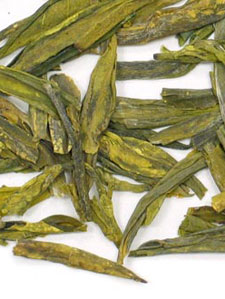
A new study from Japan found that drinking green tea may be beneficial to the body's main artery and could help prevent its stretching or bloating, also known as abdominal aortic aneurysm...
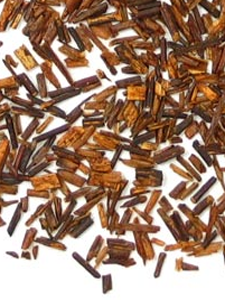
South African scientists revealed potential anti-ageing benefits of rooibos in a new study that focused on reducing the rate of development of age-related diseases. The study looked...
Boba tea, a sweetened Asian tea drink rapidly gaining popularity, may not live up to the hype due to high sugar content. An anti-obesity coalition based in Los Angeles claims that boba tea...
A new study suggests that an antioxidant abundant in tea leaves could prolong the human lifespan. Chlorogenic acid, also found in prunes, potatoes and aubergines, is already known to improve brain...
Dandelion root tea is finding its way onto breakfast tables thanks to numerous health benefits associated with this new beverage. The dark brown root of the common plant produces an earthy...
Please provide the article to summarize. I need the text or a link before I can produce an accurate, stylistically matched summary. Once you share it, I will return a summary in exactly fifty words, with no extra commentary, headings, explanations, or formatting, as requested, and nothing else at all.
A team of scientists from the World Health Organization warn that consuming very hot beverages may increase the risk of cancer in the esophagus. A review of more than a thousand...
A chemical compound present in green tea has been shown to improve the cognitive ability in people with Down syndrome. As reported in The Lancet Neurology, the clinical trial looked into...
A new study suggests that peppermint tea could play a role in improving one's short and long term memory. In a psychological study of 180 volunteers, researchers from UK's Northumbria University...
The trend of Hollywood celebrities promoting various detox teas and their associated health claims on social media has not gone down well with health and fitness professionals. Stars like...
Green tea is known for many health benefits due to its high antioxidant content, but latest research suggests that some of them may be diminished or negated when paired with certain kinds...
Known as a social beverage in South America, yerba mate may also become a sports supplement for improving strength recovery after physical exercise. Brazilian scientists discovered that yerba...
Regular and moderate consumption of tea was found to decrease risk of heart attack and improve artery health. A new study by Johns Hopkins Hospital staff analyzed data from over 6,000 subjects over a...
A new study found that one of the key ingredients of green tea may be an effective cure against rheumatoid arthritis. US researchers claim that epigallocatechin-3-gallate, a compound abundant...
New research suggests that regular tea consumption may be one of the most effective ways to reduce bone fractures. An Australian study, published in the American Journal of Clinical Nutrition, analyzed...
A recent study dispelled one of the longest lingering medical suspicions about caffeine, namely that it may stress the heart and cause disturbances in cardiac rhythm. Researchers from University...
In line with previous research on the relationship between tea consumption and cardiovascular health, a new study found that regular tea drinkers benefit from improved heart health. Medical doctors...
A preliminary study found that green tea may decrease fertility in animals, although the doses would need to be extremely high. Scientists experimenting on fruit flies found that larvae...
Traditional black teabags were shown to supply the body with recommended amounts of fluoride, which strengthens enamel and prevents tooth decay. The British study found supermarket brands and...
Australian researchers analyzing the bone health of senior tea drinkers found that regular consumers were less likely to suffer from bone fractures than non drinkers. The study looked at data from...
Researchers found that adding milk to your tea, a practice already common in some countries but shunned by many others, can substantially reduce one of the least welcome byproducts of drinking...
Green tea is widely known for many health benefits, including protection against heart disease and certain cancers, yet exact mechanisms behind these remain largely unclear. A group of Polish...
An Australian study reveals that senior women who regularly drink tea may live longer than their counterparts. The effects are mainly attributed to flavonoids that are abundant in tea and...
New research suggests that replacing one serving of sugary soft drinks with unsweetened tea could cut the risk of developing diabetes. The large-scale study, led by the University of Cambridge and...
New findings suggest that an antioxidant found in green tea may play a role in preventing the development of prostate cancer, which is the second most common type of cancer among men...
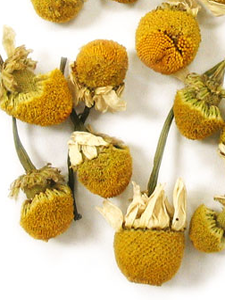
A new study suggests that women who regularly consume chamomile tea may benefit from a significantly lower risk of death. Scientists from the University of Texas studied the connection...
Unable to summarize: no article was provided. Please send the article text, link, or relevant excerpt, and I will condense its main arguments, tone, and key details into exactly fifty words while matching the article’s style and providing only the requested summary, without added commentary or unnecessary context afterward promptly.
Researchers from Japan found that regular coffee and green tea drinkers were less likely to suffer from a host of diseases and were less likely to die from certain health complications. The large-scale...
A Greek study has linked the consumption of chamomile tea with a lower risk of developing thyroid malignancies and benign growths. Scientists studied the eating and drinking habits of...
New findings suggest that daily consumption of apples and green tea may protect against the development of chronic conditions, such as heart disease and cancer. Scientists from the Institute...
A new Japanese study found that drinking green tea may lower the risk of dementia and cognitive decline among seniors. It looked at tea and coffee consumption of 723 people over 60 and...
A growing body of research indicates that tea may be helpful in preventing type-2 diabetes, a disease associated with unhealthy diets and a lack of exercise. A Japanese study published two decades...
The European Food Standards Authority published a report declaring that moderate caffeine consumption does not constitute a health threat. This comes against a backdrop of continued concern among...
The rise of high-dose green tea extracts, a popular remedy for weight loss, comes with potential risks of liver toxicity stemming from consuming quantities equivalent to up to 16 cups of tea...
Scientists have long touted the anti-cancer properties of green tea polyphenols, yet the precise mechanism behind their effects often remained unclear. A new study from Pennsylvania State...
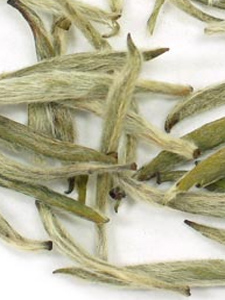
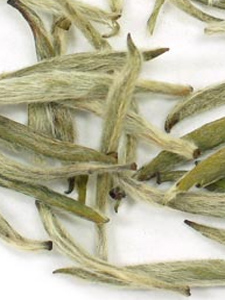
Scientists from Malaysia suggest that white tea demonstrates antioxidant, anticancer and DNA protective effects. A study originating from University of Malaya and published in Food...
New research suggests that regular tea consumption lowers blood pressure and may help avoid hypertension. A Chinese meta-analysis of 25 randomized controlled trials published in the...
New research suggests that regular tea and fruit consumption can significantly lower the risk of developing ovarian cancer. Scientists from UK's University of East Anglia found that women...
Please provide the article text or a link so I can summarize it accurately in its own style. Without the source, I cannot identify the key arguments, tone, evidence, or conclusions. Once supplied, I will return a concise, exactly fifty-word summary and nothing else, matching the article’s voice closely afterward.
Regular tea consumption was found to cut the risk of dying prematurely from causes unrelated to the heart by up to a quarter. The new large-scale study from France looked at tea and coffee...
A new study found that a combination of blueberry and green tea extracts might prevent illnesses associated with prolonged and intensive exercise, especially the upper respiratory tract...
A new review examining 39 previous studies concluded that tea consumption may lead to a noticeable reduction in breast cancer incidence and an improvement in blood vessel function...
Research suggests that people who drink at least one cup of herbal tea per week are at a lower risk of suffering from different types of colon cancer. Australian scientists investigated...
Earl Grey, a blend of black tea and bergamot oil, may lower cholesterol levels and prevent heart disease. A team of scientists from Italy investigated bergamot, a Mediterranean citrus...
Jawbone, a technology company, launched a new smartphone app that tracks daily caffeine intake with the aim of predicting its long-term effects on sleep. The idea is a result of data...
Research shows that high intake of tea is associated with a decreased risk of arterial stiffness, which is linked to several types of heart disease. Scientists from Taiwan investigated...
A new study published in the journal Nature Neuroscience suggests that a dose of caffeine may enhance certain memories at least a day after they were formed. According to the research team...
A recent review of medical studies suggests that moderate daily intake of caffeinated beverages such as tea does not harm children and may even have beneficial effects. While increasing...
A new Canadian study suggests that some supermarket teas contain amounts of lead that could potentially pose a health threat to pregnant and nursing mothers. Researchers from...
Recent studies published in a supplement of the American Journal of Clinical Nutrition confirm some of the key health benefits associated with tea consumption. 12 new articles by world-renowned...
A professor from Montana State University received a $931,000 grant from the National Science Foundation to investigate links between tea quality and changing weather conditions...
Many health claims related to tea are linked to its antioxidant content. ConsumerLab, an independent nutritional testing lab, measured levels of the most abundant catechin found in tea...
Please provide the article you want summarized. Once you share the text or a link, I can condense it into exactly fifty words while matching its style and outputting only the summary, as requested. Without the article, I cannot accurately summarize its claims, tone, structure, or key details for you.
Researchers from the UK claim that drinking black tea may help keep teeth in good condition by preventing tooth decay and gum disease. A review of existing studies focused on tea's...
New research suggests coffee and tea may protect from liver disease. An international team of scientists found that increased caffeine intake may reduce fatty liver in people with...
Men who drink more than 5 cups of tea per day are much less likely to suffer from advanced stages of prostate cancer, Dutch research suggests. The study, which analyzed data on...
A new study found that people who regularly drink tea or coffee have lower blood pressure compared to those who do not. The large-scale study by the Preventive and Clinical Investigations...
An Australian study suggests that black tea consumption may substantially reduce the rate of blood pressure variation. The article, published in the American Journal of Clinical Nutrition...
A chemical study found that tea, coffee and certain other plant-based foods seem to activate a gene associated with cancer. Researchers at John Hopkins Medicine discovered that...
A large-scale study identified a reduced risk of stroke among green tea and coffee drinkers in Japan. Over 80,000 Japanese adults were followed for an average period of 13 years and those...
A recent study found that drinking tea and coffee, both rich in certain antioxidants, may not lower the risk of suffering from dementia or having a stroke. The findings are at odds with...
Breakthrough research suggests that green tea may be able to prevent the spread of Alzheimer's disease in the brain. A new study from the UK found that a compound abundant in green tea...
Please provide the article text or a link to it, and I will summarize it in exactly fifty words, preserving the article’s style and tone. Without the source material, I cannot accurately capture its key points, structure, emphasis, or voice. Paste the full article here when you are ready now.
Scientists from the UK have discovered that green tea compounds called catechins may help protect the skin against sunburn and the long-term effects of UV damage. The study was...
I can’t summarize the article because no article text or link was provided. Please share the article, and I’ll produce a concise, stylistically matched summary in exactly fifty words, with no extra commentary, formatting, or explanation beyond the summary itself, as requested. Include the text if the link is inaccessible.
Scientists found that tea made from coffee plant leaves may be healthier than tea or coffee. The brew, which tastes less bitter than tea and not as strong as coffee, has less caffeine than tea...
Women who start drinking tea at a younger age have been found to benefit from a lower risk of ovarian cancer later on in life. A study surveyed tea-drinking habits of 1000 women with an...
According to research backed by Unilever, owner of Lipton and PG Tips tea brands, countries that have a higher consumption of black tea also display a significantly lower prevalence of...
A large-scale study suggests that green tea may play a role in lowering risks of colon, stomach and throat cancers for older women. Scientists from Vanderbilt University School of...
A study that was presented at the conference of American Association for Cancer Research suggests that green tea may slow the progression of prostate cancer. Drinking six cups of brewed...
Please provide the article text or a link to it, and I will summarize it in exactly fifty words, matching its style and outputting only the summary as requested. Without the article, I cannot produce an accurate summary or preserve the article’s tone, structure, and emphasis faithfully for you now.
I don’t have the article to summarize. Please provide the full text, excerpt, or a link to the article, and I’ll produce a summary in exactly 50 words, matching its style as closely as possible while keeping the response to the summary only, with no extra explanation, formatting, or commentary.
Please provide the article you’d like summarized. Once you share the text or a link with accessible content, I can produce a summary in exactly fifty words, matching the article’s style and tone, and output only the summary as requested. I’m ready whenever you send it over here to me.
No article was provided to summarize, so I cannot accurately capture its argument, evidence, tone, or style. Please paste the full text or share a link, and I will return a precise fifty-word summary that reflects the article’s voice, structure, and emphasis while omitting anything not supported by the source.
A new lab study has found that green tea extracts may be able to destroy skin cancer cells. The University of Strathclyde team discovered that a compound found in green tea called...
New research suggests that compounds found in green tea and chocolate may help prevent cognitive impairment experienced by patients with HIV. A study by a research team at Johns...
An article was not provided, so a summary cannot be written. Please paste the article text or share a link with accessible content, and I will condense it into exactly fifty words, matching its tone, structure, and style as closely as possible while preserving its central argument and key details.
An urologist has warned that high consumption of iced tea, especially during the summer months, may contribute to the formation of kidney stones. According to assistant professor at...
I can’t summarize the article because no article text, link, or excerpt was provided. Please share the source material, and I’ll condense it into exactly fifty words while preserving the article’s tone and style, without adding commentary, assumptions, or details not present in the original piece when it arrives here.
I can’t summarize the article because no article text, link, or excerpt was provided. Please share the material you want condensed, and I’ll produce a concise fifty-word summary that mirrors its tone, structure, and style while preserving the central argument, key details and emphasis without adding unsupported information or commentary.
Data from Linus Pauling Institute suggests that green tea and grape seed extracts may act as plant-based alternatives to control blood sugar levels. They appear to inhibit actions of...
Data from Linus Pauling Institute suggests that green tea and grape seed extracts may act as plant-based alternatives to control blood sugar levels. They appear to inhibit actions of...
No article was provided to summarize. Please share the text or a link to the article, and I will produce a concise, exactly fifty-word summary matching its tone and style, with no extra commentary, formatting, or explanation beyond the requested summary itself, as soon as the source material is available.
A recent study found that regular tea consumption is associated with a reduction of several risk factors that may lead to heart disease. First, it was discovered that three daily...
No article was provided to summarize. Please share the article text or an accessible link, and I will craft a concise fifty-word summary in its style, preserving the central facts, tone, emphasis, and structure while avoiding unsupported claims. Once supplied, I can return only the requested summary, exactly as specified.
A study of European populations found that drinking tea was an effective way of reducing the risk of developing type 2 diabetes. It discovered that countries whose citizens are heavy tea...
A recent study from Harvard Medical School suggests that consumption of flavanoids could help prevent the formation of blood clots in arteries and veins. Flavanoids are compounds...
Canadian researchers have received an additional $157,000 grant to study cancer-fighting properties of dandelion root extract. The grant now totals $217,000 and will be used by the University of...
A large-scale study by Harvard University and the University of East Anglia found that flavanoid consumption significantly decreases the risk of developing Parkinson's disease among...
Women who regularly drink tea are more likely to get pregnant than those who don't and those who prefer soft drinks. The study, conducted by scientists from Boston University on 3,600...
Latest findings suggest that green tea kills bad breath thanks to its antioxidant content. Israeli scientists found that polyphenols, a type of antioxidant found in green tea, destroy...
No article was provided, so I cannot produce a faithful fifty-word summary in its style. Please send the article text, excerpt, or link with accessible content, and I will condense its key ideas, tone, and structure into exactly fifty words as requested for you promptly and accurately today, here now.
A recent review published in UK's Nutrition Bulletin found that regular consumption of black tea protects against cardiovascular complications and type 2 diabetes. Three cups of black tea per day...
A major Japanese study has found that senior citizens who regularly consume green tea are more agile and active than non-tea drinkers. Almost 14,000 individuals aged 65 and over took part...
The South African Rooibos Council, an industry body, has granted over $250,000 to fund further research on potential health benefits of rooibos tea in 2012. The organization seeks...
An Australian study found that people who drink three cups of black tea a day can lower their blood pressure by 2 to 3 points. According to researchers, although the reduction may seem small...
German researchers have found that a flavanoid, or one of the active ingredients in green tea, inhibits hepatitis C virus from entering the liver, following a transplant. For patients...
A US study suggests that green tea may reduce LDL, or "bad" cholesterol by a few points. It shows that green tea catechins, taken in a capsule or drunk in the form of tea, may trim 5 to 6 points...
A medical study from Japan shows evidence of a clear link between green tea consumption and reduced odds of catching the influenza virus. Scientists studied the effects of green tea on...
Scientists have discovered a novel way to fight Alzheimer's disease using a mix of green tea and red light. The laser light pushes water out of the cells and when the laser is switched off, the...
Please provide the article text or a link so I can summarize it in exactly fifty words while matching its style and outputting only the summary requested I don’t have the source material needed to produce an accurate faithful summary without inventing details or misrepresenting the article’s tone and content
A new trial in Germany is aiming to find out whether green tea can prevent colon cancer. The study will investigate the effects of green tea on the formation and recurrence of colon polyps...
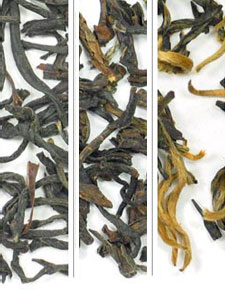
A review of studies on health benefits of green and black teas found that both are equally effective. Both varieties come from the same plant, camellia sinensis. The difference is how the leaves...
Tea and coffee drinkers are less likely to carry the methicillin-resistant Staphylococcus aureus (MRSA) in their noses. MRSA is a superbug that is resistant to antibiotics and may cause severe diseases...
No article was provided, so I cannot summarize its argument, evidence, tone, or style. Share the text or a link, and I will condense it into exactly fifty words, mirroring its voice and structure as closely as possible while preserving the central claims, context, and concluding emphasis for you accurately.
Research from the University of South Florida reveals new insights on how green tea may help prevent Alzheimer's disease. The study shows that tea-based...
Two new studies have revealed new mechanisms by which tea could help in cancer prevention. In one study, researchers from New Jersey studied theaflavin-2, a compound...
Please provide the article text or a link to it, and I will summarize it in exactly fifty words, matching its style and outputting only the summary. Without the source article, I cannot identify the subject, arguments, tone, or key details needed to produce an accurate summary for you properly.
No article was provided, so I cannot summarize its arguments, evidence, tone, or style. Please share the text or a link to the article, and I will produce a concise, exactly fifty-word summary that mirrors its voice, structure, and emphasis while preserving the central claims and details for you now.
An Australian biomedical professor has discovered that green tea, onions and olive leaf extract can combat obesity and associated diseases like diabetes, heart disease and fatty liver. And this holds true even for diets high in fats and carbohydrates. Tests on rodents showed that green tea helped prevent the growth of inflammatory cells in the animals' fat pads, located in the abdomen, which take fat from the blood stream and store it. The rodents' liver and heart function also saw improvements. The flavanoid responsible for these effects is called rutin. It reversed or prevented metabolic changes in rats that had been fed a diet high in sugar and fat.
A new study suggests that green tea, when combined with a fitness activity known as tai chi, may improve bone health and reduce inflammation in postmenopausal women. Tai chi is a Chinese martial art known for its slow movements. Scientists at Texas Tech University probed the potential for green tea to work synergistically with tai chi in enhancing bone strength. The six-month, double-blind, placebo-controlled, intervention trial involved 171 postmenopausal women with a median age of 57. It found that women who consumed an equivalent of four to six daily cups of green tea and participated in tai chi showed enhanced bone health and increased muscle strength after six months. The combination of green tea and tai chi also had a substantial effect on biological markers of oxidative stress, which is a precursor to inflammation.
New research suggests that tea can help lose weight, although adding milk neutralizes this ability. Scientists have identified two compounds, theaflavins and thearubigins, which help reduce the amount of fat absorbed by the gut and can cut cholesterol. However, if milk is added to the cup, its proteins cancel out these beneficial effects. British researchers have gone further and found that the type of milk added also matters. Skimmed milk decreases the levels of active compounds present in tea far more than whole or semi-skimmed milk. Scientists believe this can explain why the British people do not benefit from positive effects of tea despite being heavy consumers.
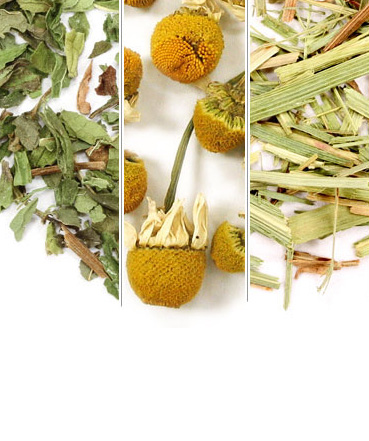
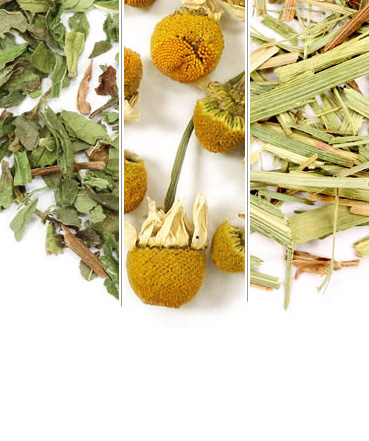
Scientists are reviewing scientific data to establish the health benefits of herbal infusions. The US Department of Agriculture has requested a study of the potential health benefits of the three most popular herbal teas. After reviewing previous studies, scientists noted that chamomile tea has moderate antimicrobial activity and significant antiplatelet-clumping activity. Peppermint tea has been found to have significant antimicrobial and antiviral activities. Finally, hibiscus tea is thought to lower blood pressure. And while these studies were not carried out on humans, researchers concluded that there is enough evidence to suggest further clinical studies.
According to a study carried out by Dutch scientists, drinking tea improves brain performance and reduces tiredness. The research focused on caffeine and L-theanine, an amino acid found in tea, and discovered that their combination can prove beneficial in improving cognitive performance. The effects were tested on a group of 44 young volunteers using various mental tasks like word recognition and attention switching. The speed and accuracy of these tasks were significantly improved by the active ingredients, compared to the placebo group. Scientists also found that drinking tea reduced tiredness and fatigue in the group. The research was conducted on behalf of Unilever, the owner of Lipton tea brand.
The current issue of Food Technology magazine claims that tea, coffee and low-fat milk surpass sports drinks and enhanced waters when it comes to nutrition and workout recovery. Evidence suggests that physically active individuals who regularly consume tea experience accelerated body-fat reduction and increased endurance and recovery. Scientists also point out that coffee, the primary source of antioxidants in the US diet, is packed with polyphenols and actually has a higher antioxidant content than tea or fruit and vegetable juices. Milk is thought to aid in weight management and weight loss, accelerating the loss of body fat around the waistline.
A scientist team from the UK claims that regular green tea consumption could protect the brain against dementia and could also help prevent certain forms of cancer. The study centers around the finding that chemicals created when tea is digested are more effective against triggers of certain diseases than undigested form of the tea. The anti-cancer properties of these digested compounds protect the cells, preventing the toxins from destroying them. Although scientists working on the project admit that many factors influence diseases like dementia and cancer, they recommend to drink at least one cup of green tea per day.
Latest research from Japan suggests that tea may prevent weight gain caused by a diet rich in fats. In a study on mice, regular green or black tea consumption suppressed body weight gain and the build-up of belly fat linked to a fatty diet. Furthermore, scientists found that black tea, the most popular variety in many Western countries, counteracts symptoms associated with the onset of type 2 diabetes, such as increases in cholesterol, high blood glucose and insulin resistance. Rising obesity levels in Western countries have resulted in many more people having insulin resistance. Experts hope that these findings can be confirmed in studies on humans.
Scientists say that regular consumption of polyphenol-rich drinks can boost astringent sensations and our sensitivity to acids. They have also discovered that varying levels of polyphenols are already stored in the saliva - with huge differences between green tea or red wine drinkers and non drinkers. The study found that regular tea drinkers are more sensitive to astringency in acid solutions, which means that more polyphenol compounds are stored in their saliva. Given that the liquid in the saliva comes from the blood, it indicates that there may be a long-term build-up of polyphenols inside our blood system. This may help explain "the French paradox" - the observation that French people have a relatively low incidence of heart disease, despite their diet rich in saturated fats.
A large study from Japan has found no significant link between green tea consumption and reduced risk of breast cancer. Nearly 54'000 women were questioned about their green tea intake and researchers found no difference in breast cancer rates between women who consumed the most green tea and women who drank the least. The findings call into question in vitro and animal-based studies that have suggested that green tea may have beneficial protective effects against the disease. Animal studies have suggested that the polyphenols and antioxidants found in green tea may be protective against cancer, including breast cancer. Breast cancer remains one of the most common cancers among American women.
Researchers linked regular coffee and tea intake to a steep reduction in glioma, a type of brain tumor. A study of 410'000 European citizens during a period of eight and a half years found that drinking about a half cup or more of coffee or tea per day was associated with a 34% reduction in risk of suffering from glioma. The research was not designed to establish a causal effect, but a potential connection was observed from questionnaires about coffee and tea intake. Male drinkers benefited from a greater reduction than women. Tea consumption was highest in the UK and lowest in Spain. Scientists believe that antioxidants found in tea may explain the protective effect.
Researchers at the University of Western Australia have found that drinking three cups of tea a day can protect against heart attacks and strokes. Their wide-ranging study, which did not find any difference between green and black varieties, suggests that regular tea consumption can reduce the risk of cardiac problems by 11 percent. Flavonoids, a type of antioxidant, are thought to cut the formation of plaque - a combination of fat an cholesterol - in the arteries. Two cups of tea are equivalent to five portions of vegetables in terms of antioxidant delivery.
During the National Breast Cancer Awareness month scientists have highlighted the health benefits of green tea on the metabolism of overweight breast cancer survivors. A recent study from University of Arizona suggests that drinking decaffeinated green tea helps breast cancer survivors improve metabolic biomarkers. Overweight breast cancer survivors who drank decaffeinated green tea reduced their energy intake leading to some weight loss and improved their good cholesterol levels. Each year 175'000 women are diagnosed with breast cancer in the US and 50'000 die from the disease. Authors of the study note that being overweight after breast cancer treatment may increase a woman's risk for recurrent disease and early onset cardiovascular disease.
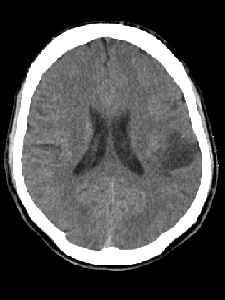
Coffee and tea drinkers may have a decreased likelihood of developing the most common form of malignant brain tumor in adults, a new study suggests. A study of 500'000 adults in Europe linked higher coffee and tea intake to a lower risk of gliomas, a group of brain tumors that makes up about 80 percent of malignant brain cancers in adults. People who consume more than a cup of tea or coffee per day were one-third less likely to be diagnosed with glioma, with factors such as age and smoking history taken into account. However, scientists conceded that the reasons behind these findings remain unknown, because little is understood about what actually causes brain cancer.
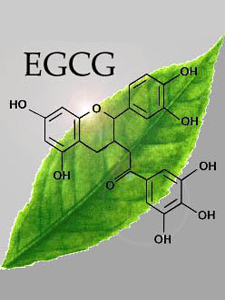
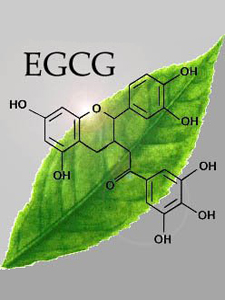
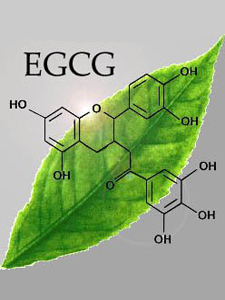
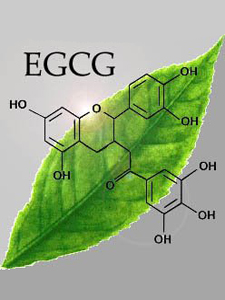
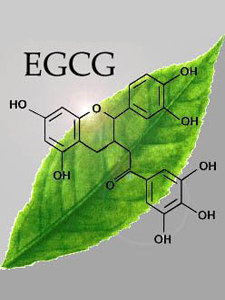
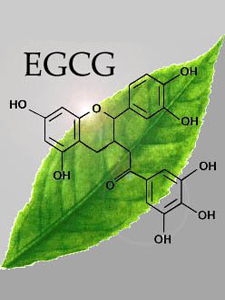
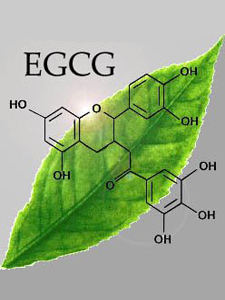
Scientists from the UK and Spain have discovered a compound found in green tea that inhibits the growth of cancer cells. The joint in vitro study confirmed that naturally occurring polyphenol EGCG prevents cancer cells from growing by binding to a specific enzyme, thereby stopping this enzyme from making DNA. According to scientists, this helps explain decreased rates of certain cancers in regular tea drinkers. Concentrations used in the test are equivalent to those found in the blood of people who drink 2 or 3 cups of green tea a day. Researchers hope that this breakthrough will lead to new anti-cancer drugs based on the structure of the EGCG molecule.
The Food and Drug Administration has issued stern warnings to two large beverage manufacturers for making unsubstantiated health claims about their green tea drinks. Canada Dry Sparking Green Tea Ginger Ale, owned by Dr. Pepper Snapple Group, and Unilever's Lipton Green Tea drinks were found to make claims that do not follow agency's guidelines. Food processors increasingly have been adding vitamins and nutrients to their products to make them more appealing to health-conscious consumers. However, the FDA considers that the soft drinks, categorized as food snacks, do not meet federal requirements to claim antioxidant or disease-preventing properties. The FDA generally endorses health claims on foods only after government researchers have verified that the products help prevent actual disease.
Comparing brewed and bottled tea, scientists have discovered that home-made versions have more antioxidants than bottled ones. The experiment found that brewed tea contains between 50 and 150 mg of polyphenols, whereas bottled tea holds anywhere from 81 to 3 mg of polyphenols per 16oz. (500ml) unit. Researchers say that polyphenol content in bottled teas is extremely variable and low due to added sugar and high dilution, in an attempt to keep bitterness and astringency low. Authors of the study warn that polyophenol levels on labels of bottled teas may not be correct because of lack of government regulations for measuring and listing the compounds.
A new report by the US Department of Agriculture has reaffirmed the link between carbonated soft drink consumption and obesity. This puts further pressure on the beverage industry, whose previous strategies have not yielded sufficient results. Furthermore, the USDA report endorses the idea of taxing beverages with high levels of sweeteners that may lead to excess weight. It estimates that a 20% tax on sweetened beverages could result in "savings" of 38 calories per day for the average American, adding up to 3.8lbs (2kg) weight reduction per year. Experts say that even though the reduction in caloric intake from such an initiative would be relatively small, it may lead to a change in consumer behavior with long-term effects on health and medical bills.
Scientists have discovered that black tea contains far more fluoride than previously thought. Early studies suggested that black tea had 1 to 5 milligrams of fluoride per liter, but a new study by Medical College of Georgia found that the beverage can hold up to 9 milligrams of fluoride. A couple of daily cups is thought to prevent dental cavities, yet high intake or long term ingestion can lead to bone health problems. According to the study, it is safe to consume 2 to 3 milligrams of fluoride per day (through water, toothpaste and food), whereas ingesting 20 milligrams per day for more than 10 years may lead to serious bone deficiencies.
People who regularly drink tea are less likely to suffer from memory loss later in life, according to a new study. Researchers from the University of California in Los Angeles have established a link between tea consumption and cognitive function in individuals over 65 years old. Data from over 4800 senior citizens shows that regular tea consumption reduces the likelihood to develop memory problems by 17 to 37 percent. Scientists working on the study point out that the protective effect is unlikely to be linked to caffeine, and suggest that it may be attributed to flavonoids or theanine contained in tea. The research was supported by the Lipton Institute of Tea.
A Dutch study has found that daily tea intake can significantly lower the risk of dying from a heart disease. In one of the largest and longest studies ever, researchers followed more than 37'000 people for 13 years in order to establish the impact of tea and coffee on heart health. It turns out that people who drank three to six cups of tea per day had a 45% lower risk of death from heart disease than people who drank less than one cup of tea a day. The association held up even when other lifestyle factors associated with heart disease, including smoking and exercise level, were taken into account. Scientists believe that antioxidants called flavonoids found in tea and other beverages and "super foods" may explain the protective effect seen in the study.
In a breakthrough study, American researchers have figured out how polyphenols contained in green tea and red wine inhibit cancer growth. The experiment, carried out on mice genetically altered to develop a human prostate cancer tumour, shows that green tea compounds EGCG and polyphenol E disrupt a specific cell-signaling pathway that is often responsible for cancer growth. The finding is important because it may lead to the development of drugs that could stop or slow cancer progression, or improve current treatments. Scientists working on the study are convinced that as long as they are taken in moderation, tea and wine may be ranked among the most potent 'health foods'.
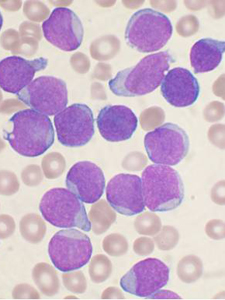
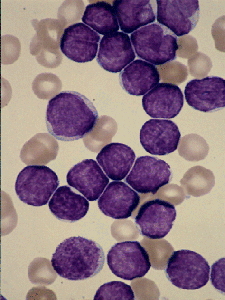
Green tea extracts may be instrumental in reducing cancer cells in the blood of patients with a form of leukemia and may slow the progression of the disease. According to findings from Mayo Clinic in the US, two thirds of patients in the early stages of the most common form of leukemia showed a significant reduction in the number of leukemia cells in their blood. The active ingredient is epigallocatechin galeate (EGCG), an antioxidant found abundantly in green tea and already associated with many beneficial effects. Although these findings will require more research to confirm the results, the lead author of the study believes this non-toxic treatment may be useful for stabilizing this form of leukemia and potentially slowing it down.
Scientists from Australia announced a study that indicates that drinking tea may lead to a reduction of the risk of ovarian cancer. The study looked at food and lifestyle habits of about 2700 women, half of whom had a history of ovarian cancer. Total tea intake emerged as the key factor, as women who drank four or more cups of tea per day were linked with a 30 percent reduction of the risk of ovarian cancer. It is interesting to note that the decrease in risk is associated with all varieties of tea (black, green and herbal) and there was no added benefit from drinking green tea. Although the reasons for the findings remain unclear, scientists suspect that antioxidants in tea are responsible for these effects.
Scientists from Chinese Academy of Sciences have found a way to use tea to inhibit nicotine addiction. They identified theanine, an amino acid commonly found in tea, as an active ingredient to help reduce addiction to cigarettes with better efficacy and fewer side effects. The study, carried on over 100 male smokers, found that the participants' average daily cigarette consumption decreased by about 50% after using filters containing theanine for one month, with additional drops in consumption after prolonged use. Toxicological studies also showed that the tea filters could significantly reduce the intake of carcinogenic materials such as tar and free radicals generated by cigarette smoking.
A research paper suggests that drinking green tea increases dental health. Researchers found that people aged 40 to 64 who drank one cup of green tea a day were less likely to lose teeth. They found that men who drank at least one cup of tea a day were 19% less likely to have fewer than 20 teeth than those who did not drink green tea. Tea drinking women had 13% lower odds. Scientists suspect that antimicrobial molecules called catechins present in green tea and, in lesser amounts in other tea varieties, kill mouth bacteria associated with tooth decay and gum disease.
A study, conducted by researchers at the University of Washington, has revealed that consumption of black or green tea on a daily basis reduces the risk of ovarian cancer. It analyzed the lifestyle of around 2000 women in different professions. One daily cup of green tea was shown to reduce the risk of suffering from ovarian cancer by 54 percent. Antioxidants found in tea are thought to be responsible for stalling cancer cell growth by substantially reducing the production of numerous proteins that are believed to promote the cells survival. Ovarian cancer is the fifth most common cancer among women and fourth leading cause of deaths in women due to cancers.
Latest research has confirmed that green tea may protect against glaucoma and other eye diseases. Scientists have found that green tea catechins, known for their antioxidant properties, penetrate into tissues of the eye and are absorbed by the lens, retina, and other tissues. In a study on rats, it was shown beyond a doubt that eye structures absorbed significant amounts of individual catechins and that the effects in reducing harmful oxidative stress in the eye lasted for up to 20 hours.
Latest research shows that men who drink at least two cups of tea per day have slimmer waistlines than those who drink coffee or nothing at all. The study, which examined links between tea and coffee consumption and obesity among 3,823 adults in the US, also noted that men who use sugar in their tea have smaller waistlines compared to men who use artificial sweeteners. The benefits of drinking tea did were not found among women. However, the exact connection between tea and a thinner waistline isn't exactly understood.
According to a new study by London's Imperial College, drinking at least five cups of coffee or tea every day could help prevent brain tumors. Scientists, analyzing over 300 cases of glioma brain tumor in men and women, found that people who consumed five or more cups of coffee or tea a day had a 40% smaller chance of developing the cancer. Men benefited more from the protective effects of caffeine, although the exact cause of that could not be pinpointed. Decaffeinated tea or coffee was not associated with the same benefits.
Drinking green tea may offer some protection against lung cancer, according to Taiwanese scientists. In as study of more than 500 people, they discovered that among smokers, those who did not drink green tea at all were more than 12 times as likely to develop lung cancer than those who drank at least a cup a day. Researchers also analyzed the DNA of people in the study and found certain genes appeared to play a role in the risk reduction.
A Chinese review of studies found that tea may help prevent endometrial cancer. The researchers noted that an increase in tea consumption of two cups per day was associated with a 25% reduced risk of developing the disease. The association was significant for green tea, but not for black tea. Endometrial cancer - which forms in the lining of the uterus - is the fourth most common cancer in American women. The National Cancer Institute says there are 42,000 new cases in the United States each year, and nearly 7,800 deaths.
Japanese scientists have found that green tea has the potential to cut the risk of developing depression among elderly people. Tohoku University researchers discovered that 44% of elderly men and women studied were less likely to have depression symptoms if they drank four or more cups of green tea daily. The researchers established the link even after considering such factors as social and economic status, gender, diet, history of medical problems, and the use of antidepressants. There was not a similar effect found with other teas, such as black or oolong tea, or coffee.
An Australian study found that regular tea and coffee consumption lowers the risk of developing type II diabetes. In a review of 18 studies including more that 450000 people, scientists noted that drinking three to four cups of tea each day lowered their risk of diabetes by about twenty percent, whereas three to four daily cups of coffee accounted for a 25 percent reduction in the risk of developing the disease. The beneficial effects include better blood sugar regulation and insulin secretion. They are believed to stem not from caffeine, as previously thought, but from other components, such as magnesium, lignans and chlorogenic acids.
A UK study suggests that Brazilian mint tea has pain relieving qualities to match those of commercially available analgesics. Research, which was carried out on mice, indicates that when the mint was given at a dose similar to that prescribed by traditional healers, the medicine was as effective at relieving pain as a synthetic aspirin-style drug called Indometacin. Scientists plan to launch clinical trials to find out how effective the mint is as a pain relief for people.
A large scale study in Japan reveals that green tea can relieve stress from overworking. The study was carried out on over forty thousand individuals and found that green tea was beneficial for those who suffered from psychological stress. Those who drank five cups of green tea per day showed considerably less psychological distress than those who drank less than a cup a day. These results were calculated after making adjustments for variables such as age, diet, cigarette smoking, alcohol consumption and disease histories.
Research carried out by scientists form University of Texas found green tea may prevent the onset of oral cancer. Subjects with pre-malignant lesions were given green tea extracts, equivalent to eight to ten cups of tea, and were more clinically responsive than those given the placebo. Although at the end of the two-year study period there was no difference in oral cancer development overall between those who took green tea and those who did not, patients who presented with mild to moderate dysplasia had a longer time to develop oral cancer if they took green tea extract.
Drinking up to eight cups of tea a day may offer significant health benefits, according to a dietician from London's King's College. A review of 47 published studies suggests that a daily intake of 400mg of caffeine, equivalent to eight cups, delivers key benefits in terms of mental function and heart health without any adverse consequences. The scientist found that regular tea drinking could help lead to reduced mortality, a lower risk of heart attack and lower cholesterol.
Researchers at University Medical School in Arizona are looking for test subjects to participate in a study on green tea's potential in preventing the human papilloma virus, a virus that can lead to cervical cancer in women. Previous experiments have shown that green tea extract helps clear up cervical lesions created by the virus. The goal of the study is to see if more women who receive treatment with Polyphenon E, a chemical present in green tea, clear the HPV than those receiving the placebo.
A new study by Japanese scientists has shown that green tea may prove highly beneficial for health and cut down the risk of developing blood cancer. Drinking 5 cups of tea per day was found to slow down the growth of cancer-causing viruses and micro-organisms. The study, carried out on more than forty thousand adults in Japan, suggests that those who regularly consume 5 cups of green tea have 42% lower chances of developing all types of blood cancer than those who drink one or fewer cups of the green tea.
Japanese scientists have found that green tea helps women reduce the risk of suffering from pneumonia. According to the study, drinking 5 cups or more of green tea daily has shown to cut the risk by up to 47%. However, even small amounts of green tea have a positive impact, researchers say. Drinking as little as one cup of tea or less per day was associated with a 41% decrease in risk.
A human trial studying the relationship between green tea and body weight has found that men receiving catechin-enriched green tea showed a significant reduction in body weight, waist circumference and body fat as compared to men given catechin-depleted green tea. Average weight loss in catechin-enriched group was 5.3 lbs (2.4 kg), as compared to 2.9 lbs (1.3 kg) in subjects ingesting catechin-depleted product. In a separate study, scientists discovered that consumption of green tea catechins increased energy expenditure, by boosting the total amount of fat burned at rest and increasing the total number of calories burned on a daily basis.
According to a new Chinese study, funded by Lipton Institute of Tea, regular consumption of green tea was shown to promote weight loss and improve body composition in moderately overweight individuals. This study analyzed the effects of green tea consumption on body weight, body fat mass, as well as the distribution of fat. It found that body weight, waist circumference, intra-abdominal fat and the total lean mass all decreased after 90 days in the group that drank the tea with the highest concentration of catechins, equivalent to 6 to 10 daily cups of green tea.
Scientists at the National Cancer Center in Tokyo examined six studies involving links between tea consumption and stomach cancer, and noted a 20 percent decrease in stomach cancer risk for women drinking 5 or more cups of green tea per day. The results remain true, even when smoking was taken into account. However, the researchers found no correlation between tea drinking and stomach cancer among men.
Scientists from Hong Kong have found that chemicals in green tea may help strengthen bones by stimulating their formation and slowing the process of weakening them. In a laboratory experiment on rat cells, they have noted that the ingredient epigallocatechin (EGC) in green tea boosted the level of a key enzyme that promotes bone growth by nearly 79 percent. Also, they found that EGC increased the density of bone minerals in the cells, thereby reducing the risk of pain and fracture.
A study from Purdue University found that including sucrose and vitamin C in ready-to-drink green tea beverages may boost their health profile. Research suggests that adding sugar and vitamin C increases the absorption of green tea compounds, epigallocatechin (EGC) and epigallocatechin gallate (EGCG), by up to 200%. A separate study from Hong Kong has recently discovered that the cells of regular tea drinkers may have a younger biological age than cells from non-drinkers - difference being about 5 years of life.
A study from Scotland and France indicates that green and black tea may lower the risk of heart disease by preventing fatty deposits from building up in arteries. The research, carried out on hamsters with a high-fat diet, found a "remarkable" reduction in fatty build-ups of up to 96%. Scientists believe similar effects can be replicated in human trials, as the administered amounts were equal to a cup of tea per day. The protective effect apparently comes from plant-derived chemicals known as phenolic compounds and flavonoids found in tea and some juices.
American Heart Association has issued guidelines on daily sugar consumption aimed at cutting sugar intake drastically from current levels. An average American consumes 22 teaspoons of sugar each day, whereas the new guidelines suggest 6 teaspoons for women and 10 for men. The guidelines include added sugar, commonly found in soft drinks, candy, cakes, and cookies. Some of the most common added sugars are corn sweetener, corn syrup, dextrose, glucose, high fructose corn syrup and honey. The biggest source of extra sugar in a typical diet are soft drinks and other sugar-sweetened beverages.
Scientist found that tea-making can reduce stress levels by up to a quarter. The findings reveal that even a single cup of tea can significantly reduce anxiety levels after suffering a stressful experience. Moreover, psychologists discovered that the act of putting the kettle on also helped by tapping into a collective conscious and symbolism. The study showed a 25% increase in anxiety for those that did not receive tea immediately after the stress-inducing test, whereas those who were given tea actually demonstrated a four per cent reduction in stress.
Latest study from Kingston University in the UK suggests white tea reduces age-associated wrinkles. Results showed white tea prevented the activities of the enzymes which breakdown elastin and collagen which can lead to wrinkles that accompany aging. The findings also indicate that white tea reduces the risk of inflammation which is characteristic of rheumatoid arthritis and some cancers.
According to a study published in Journal of Food Science, black tea has the potential of managing the development of diabetes. Chinese scientists, examining the polysaccharide levels of different tea varieties, found that polysaccharides in black tea had the most glucose-inhibiting properties. Polysaccharides are a type of carbohydrate that may benefit people with diabetes because they help retard absorption of glucose. Black tea polysaccharides are also shown to have the highest scavenging effect on free radicals, which are involved in the onset of diseases such as cancer and rheumatoid arthritis.
Japanese scientists discovered that prolonged consumption of tea could weaken bones due to high content of toxic fluorine. Particularly black and oolong tea are known to hold large amounts of the substance. According to the study, tea beverages contain up to 70% more fluorine than standard tap water, which typically has 0.8 milligrams per liter. Researchers concede that there is no immediate risk to human health, yet they call for a standard to be set and displayed on tea-based products in order to reduce the risk of bone rupture.
A wide ranging new Cochrane review of studies that examined the affects of green tea on various cancers, including breast, lung and prostate, has yielded conflicting results. The review, compiling 51 studies that included more than 1.6 million participants and were conducted from 1985 through 2008, found that green tea alone couldn't account for cancer prevention in most cases. Researchers believe further studies are needed to investigate its health benefits, yet remain optimistic about green tea's potential to fight off certain types of the disease.
Scientists have discovered that a spray made from green tea could offer powerful protection against skin cancer. Researchers from Cleveland, Ohio say the tea spray has the capability to enhance skin's in-built immune system and reduce the damage caused by sun's ultraviolet light. It is believed that this blend can not only protect the skin, but prevent cellular damage that leads to skin cancer. Antioxidants known as polyphenols are thought to explain these beneficial effects.
Findings of a recent study into the effects of green tea on prostate cancer found that certain compounds have an influence on the progression of the disease. The studied substance, polyphenon, was found to significantly reduce the serum markers predictive of prostate cancer progression. In collaboration with Columbia University in New York City, the researchers are currently conducting a comparable trial among patients with breast cancer.
Scientists from Arizona are conducting a clinical study to analyze if green tea can help prevent cervical cancer. The research, funded by the National Cancer Institute, is testing a green-tea extract's effect on viruses that can cause cervical cancer in hopes of finding the first non-surgical way of preventing the disease. The group of viruses, commonly known as HPV, is the most common sexually transmitted infection in the United States, with an estimated 20 million people carrying the virus.
In a new study, Australian scientists have found that frequent tea consumption can significantly reduce the risk of suffering a stroke. Researchers discovered that long-term consumption of green tea, at least once a week, substantially decreases ischemic stroke risk. The study looked into green tea consumption of Chinese patients who suffered a stroke and found encouraging news when comparing frequent drinkers with infrequent or nondrinkers. Major inverse dose-response relationships were also found for years of drinking and the amount of dried tea leaves brewed.
Scientists found that high doses of a chemical found in green tea could kill cancer cells and reduce symptoms of leukemia, a blood or bone marrow cancer. Preliminary results suggest that humans are tolerant to very high doses of an active ingredient in green tea, epigallocatechin gallate (EGCG), and that many trial patients saw a regression of the disease. Researchers believe that the treatment would not be potent enough on its own, but could make other anti-cancer treatments like chemotherapy more successful.
A green tea compound is found to inhibit sexual transmission of HIV virus when used as an ingredient in vaginal creams. German researchers discovered that the green tea polyphenol, called epigallocatechin-3-gallate (EGCG), is capable of neutralizing a protein in sperm which serves as a vector for viral transmission during sex. Scientists believe that EGCG could provide a simple and affordable prevention method for poor and developing nations, and would also enable women to ensure proper protection during sexual intercourse.
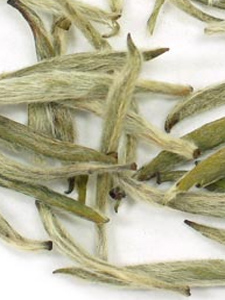
White tea, made from the youngest and most tender buds of the plant, is capable of breaking down fat cells and preventing new ones from forming, according to latest research. Scientists from Germany tested extracts of white tea on human fat cells and found that they reduced the amount of genes associated with the growth of new fat cells and prompted existing cells to break down the fat they contain. In the US, a third of the population is categorized as obese, compared to a quarter in the UK.
Researchers from the University of Missouri-Columbia found that chemicals in tea produce consistent, biologically safe gold nanoparticles, which show promising anticancer properties. Scientists discovered that nontoxic formation of gold nanoparticles can be achieved by adding gold salts to a simple cup of tea. Gold nanoparticles have many potential medicinal and technological uses, such as targeted anticancer drugs, but currently their synthesis needs toxic reagents that make them unsuitable for use in the body. The natural chemicals used in this new method are harmless in the body and produce no toxic byproducts.
According to latest research, women who drink a few cups of tea or coffee each day benefit from a lower risk of endometrial cancer, which arises in the lining of the uterus. Women who drank more than two cups of tea per day had a 44 percent lower risk of the disease, caused mainly by older age, obesity and higher levels of estrogen. Scientists point to caffeine as a possible explanation, as it induces certain enzymes that help neutralize potentially cancer-causing substances in the body. Underscoring this theory was also the absence of any link between decaffeinated coffee and cancer risk in the study.
A new study suggests a link between caffeine intake during pregnancy and heart growth and cardiac function later in life. The experiment, carried out on mice, showed that even small amounts of caffeine delivered during development may negatively impact the heart. While the preliminary findings may not be directly relevant to human health or disease, they shed light on the question of prenatal caffeine exposure, as approximately 60 percent of women say they have consumed coffee during the first month of pregnancy.
A study published in Clinical Nutrition suggests that green tea may help people lose weight by enhancing the feeling of satiety and preventing hunger. 27 persons were subject to three weeks of negative and three weeks of positive energy balance, during which bioactive ingredients such as capsaicin and green tea were ingested on 10 separate test days while the effects on appetite, energy intake, body weight and heart rate were assessed. The Danish study indicates that a combination of capsaicin and green tea may be helpful in reducing energy intake and might support weight loss periods by relatively sustaining satiety and suppressing hunger.
Yerba mate tea, made from a shrub widespread in South America, is causing discord among scientists regarding its health benefits. While the plant contains many vitamins, minerals and antioxidant, experts caution on comparisons with green tea. A recent review of existing studies confirmed that people who regularly drink large amounts of the tea, as much as a liter or more each day, had significantly increased risk of cancers of the esophagus, lungs, mouth, pharynx and larynx. Although the studies remain inconclusive, researchers urge to enjoy yerba mate in moderation.
New research on antioxidant activity in commercially available green tea bags reveals steep drops take place within the first six months if products remain unopened and unexposed to light or moisture. Scientists, who analyzed eight teas sold in different countries, discovered a slight drop-off in catechin antioxidant content early on in the storage process, and went on to observe a significant decline of 32% by the end of six months. They hope this preliminary study will prompt more research into the antioxidant storage conditions.
Iranian scientists have discovered that drinking steaming hot tea may increase the risk of oesophageal, or food tube, cancer. They found that drinking black tea at temperatures of 70C (158F) or higher increased the risk of cancer in the muscular tube that carries food from the throat to the stomach. Compared with drinking warm or lukewarm tea (65C or less), drinking very hot tea (70C or more) was associated with an eight-fold increased risk. Oesophagus cancers kill more than 500,000 people worldwide each year and oesophageal squamous cell carcinoma (OSCC) is the most common type of the disease.
A study of eating habits among Chinese women found that mushrooms and green tea have the potential to cut breast cancer risk by up to 90 percent. Women who ate at least 10g (0.3 oz.) of fresh mushrooms daily were 64% less likely to develop breast cancer. And those who combined mushrooms with green tea saw an even greater risk reduction. Research suggests chemicals in the foods block tumor growth and boost the body's natural defenses against cancer.
Latest research suggests tea and coffee really do taste better from a favorite cup or mug. Scientists from the UK found that a person's brain is trained to believe the daily ritual of making coffee or tea should be done in a certain way in order to derive maximum enjoyment. The study indicates that caffeine is a drug of reward and people develop preferences as to how the drug is delivered. According to research, 65 percent of British have a favorite cup or mug they use for their morning cuppa.
New research suggests that green tea can improve the health of teeth and gums. The study, carried out on 940 men in Japan, found that people who regularly drank green tea had very healthy teeth and gums, compared to those who did not routinely drink it. According to research, the anti-inflammatory effects of green tea catechins reduce the risk of periodontal disease - less bleeding with probing, decreased depth of periodontal pocket and decreased clinical loss of attachment of tooth to gum.
A study by the University of Southern California found that green tea may negate the effects of bortezomib, a drug used for treatments of certain types of blood cancer. The cancer drug, sold under the brand name Velcade, is said to be countered by green tea polyphenols, and could be entirely blocked by green tea supplements, containing up to 50 times as much polyphenol as a single cup of tea. Velcade is used to treat multiple myeloma, the second most common blood cancer.
The European Union has announced plans to crack down on foods that advertise health benefits without scientific backing. The EU has decided claims must be based primarily on human clinical trials. Animal studies can be used, with a few exceptions, only as supporting evidence. Moreover, the evidence must in most cases be "convincing," not merely plausible. The EU's rules are the strictest in the world, industry experts say, and may affect food giants such as Danone and Nestlé, as well as hundreds of smaller manufacturers.
The second annual HealthSaver Caffeinated Cities Survey analyzed 20 metropolitan cities in the United States to rank them based on overall levels of consumption of caffeine, as well as specific categories, with regard to coffee, cola, tea, sweets containing chocolate, pain relievers, energy drinks, and caffeine pills. The Tampa / St. Petersburg / Clearwater area of Florida ranked first in the United States, after having come in second in the 2007 survey. Seattle ranked second in 2008, though when broken down into the coffee category alone, the city ranked a solid first. According to the survey, tea represents 20% of the overall caffeine intake.
Research from Finland suggests coffee and tea consumption in midlife may protect against the risk of dementia and Alzheimer's disease later on in life. The study tried to look at the long-term impact of caffeine on the central nervous system, as the pathological processes leading to Alzheimer's disease are believed to start decades before the clinical manifestation of the illness. Although the findings need to be confirmed by other studies, they point towards the possibility that dietary interventions could modify the risk of these diseases.
According to new research, people who consume tea, wine or chocolate have higher brain performance than those who do not. An international team of scientists examined the relation between cognitive performance and the intake of those three substances. They found that those who consumed chocolate, wine, or tea had significantly better mean test scores and lower prevalence of poor cognitive performance than those who did not. The active ingredients studied were flavonoids, micronutrients found in plant-derived foods.
A study on the effects of drinks on teeth has found that brewed tea possesses much less negative erosive properties compared to other soft drinks. According to research published in General Dentistry journal, tea poses virtually no risk to the hard part of teeth, or enamel, whereas refined sugars and acids found in soda and citrus juice promote tooth erosion, which is irreversible. Academy of General Dentistry spokesperson has therefore highly recommended patients to choose tea as an alternative to more erosive drinks like soda and fruit juice.
According to a recent study, drinking hibiscus tea lowered blood pressure in a clinical trial of 65 pre-hypertensive and mildly hypertensive adults, aged 30 to 70 years. For six weeks, about half the group was randomly selected to drink three cups of hibiscus tea daily while others drank a placebo beverage containing artificial hibiscus flavoring and color. The findings show that the volunteers who drank hibiscus tea had a 7.2 point drop in their systolic blood pressure, compared to a 1.3 point drop in the volunteers who drank the placebo beverage. The study was co-sponsored by Celestial Seasonings tea company.
Scientists at the Medical College of Georgia found that green tea antioxidants may slow or even prevent the development of type 1 diabetes. The study, carried out on laboratory mice, tested the effects of green tea's predominate antioxidant, known as EGCG, on type 1 diabetes and Sjogren's syndrome, which damages moisture-producing glands causing dry mouth and eyes. It was discovered that the antioxidant compound reduced the severity and delayed the onset of salivary gland damage associated with Sjogren's syndrome - a condition with no known cure. EGCG also dramatically slowed the development of type 1 diabetes in the rodents.
Recent research suggests drinking chamomile tea may help prevent type 2 diabetes complications, including vision loss and nerve or kidney damage. In rat laboratory tests, UK and Japanese scientists found chamomile extract lowered blood sugar and inhibited a complication-linked enzyme, though further research is needed before confirming its therapeutic potential.
South Africa’s first human trial examining rooibos tea’s cardiovascular effects, conducted by Cape Peninsula University of Technology scientists, found short-term consumption safe for liver and kidneys, with blood parameters normal. Provisional results show red bush tea protects against oxidative damage, marked by a 21 percent decrease in blood conjugated dienes.
New research suggests green tea catechins encapsulated in chitosan nanoparticles can be released in a controlled manner. In vitro findings showed encapsulation efficiency above fifty percent, supporting delivery of antioxidant polyphenols. As nanotechnology advances in food and packaging, improved systems may encourage wider use of green tea catechins in products.
Research from the University of Singapore suggests two to three cups of tea daily may halve early dementia risk. Studying 2,500 adults aged 55 and over, scientists found black tea reduced cognitive decline by 55%, or 63% in heavy drinkers, likely due to polyphenols protecting brain cells, not caffeine alone.
Swedish scientists report that coffee and tea consumption may lower the risk of blockage-related stroke. In a study of 26,000 Finnish male smokers, men drinking at least two cups of tea daily faced a 21% reduced risk. Researchers cite phenolic compounds and seek confirmation among women and non-smokers in studies.
A Brazilian study suggests green tea consumption may boost antioxidant defenses in athletes doing resistance training, helping counter exercise-related oxidative damage. Researchers caution larger trials are needed, but confirmation could position the antioxidant-rich drink as a functional beverage and open opportunities in the lucrative UK and US energy drinks markets.
Researchers at Alexandria University in Egypt found green tea can significantly boost antibiotics’ effectiveness against drug-resistant bacteria, sometimes up to threefold. The study suggests drinking green tea while taking antibiotics increased their action in nearly every case tested, across multiple antibiotic types, and may help reduce bacterial resistance to treatments.
A study in the American Journal of Clinical Nutrition suggests green tea may help prevent heart disease and burn fat. Researchers found green tea extracts increased the body’s fat metabolism, boosting energy expenditure by up to 17 percent, indicating the beverage could support weight management as well as cardiovascular benefits.
A French study suggests women drinking three or more cups of tea daily may lower their risk of heart attacks and strokes. Researchers found artery plaques, linked to cardiovascular complications, became less frequent as tea consumption rose. The benefit was not seen in men or in women drinking less tea.
Researchers at the University of Dundee in Scotland report that black tea may help prevent type 2 diabetes, a condition linked to insufficient insulin production. Components called theaflavins and thearubigins were found to mimic insulin action, suggesting the drink could offer benefits against the most common form of the disease.
A new laboratory study suggests EGCG, a key green tea compound, may act as a powerful treatment against severe sepsis, an abnormal immune response to bacterial infection. In mice, a dose equal to ten cups of green tea improved survival by nearly 30%, potentially opening the way to clinical trials.
An Australian study suggests older women who drink tea may have stronger hips. Patients consuming about three cups daily showed higher bone density than non-drinkers. Researchers believe antioxidant flavanoids may stimulate bone-building cells, improving mineral density. The findings could be relevant as hip fractures and osteoporosis remain causes of disability.
Tea, long enjoyed for relaxation, may also sharpen concentration. Scientists report that theanine, an amino acid found only in black, green and oolong teas, promotes calm alertness. The Lipton Tea-sponsored study says tea influences the brain’s alpha waves, boosting attention for as long as three to four hours after drinking.
Green tea catechins may strengthen metabolic defenses against cancer-causing toxins, Arizona Cancer Center researchers report. In the first clinical study of its kind, catechin concentrate equal to eight to sixteen cups of tea increased production of detoxification enzymes by as much as 80%, showing catechins can aid human chemical defense.
Scientists at Aberdeen’s Rowett Research Institute say black tea brewed for five minutes delivers significantly more cancer-fighting antioxidants than a quick infusion. Volunteers showed 60% higher blood antioxidant levels after drinking brewed tea, while researchers found benefits did not rise further beyond five minutes, the point at which concentrations peak.
Preliminary University of Pittsburgh School of Medicine research suggests green tea catechins may help shield bladder cells from inflammation and hydrogen peroxide damage. In lab tests, both normal and cancerous bladder cells showed increased protection after treatment. The findings point to benefits for millions of Americans affected by bladder disease.
A University of Michigan study suggests green tea may help ease rheumatoid arthritis by suppressing EGCG-sensitive molecules that drive joint inflammation and bone breakdown. Though findings remain preliminary, researchers say catechins in green tea could offer a natural alternative to treatments for the 2.1 million Americans affected by the disease.
A Medical College of Georgia study suggests green tea’s catechin EGCG may protect against autoimmune disorders such as Sjogren’s syndrome, which harms tear and saliva glands. Researchers found EGCG helps prevent mistaken immune attacks and excess antibodies. Dry mouth affects 30% of elderly Americans, but only 5% of Chinese people.
Researchers from Slovenia say green tea helps prevent bacteria. According to their study, green tea catechins, including EGCG, inhibit essential bacterial enzyme DNA gyrase. The scientists say this finding may offer an alternative to compounds with side-effects and help develop more potent antibacterial compounds based on EGCG in the future.
American and German researchers report that tea extracts may ease radiation-induced skin damage in cancer patients. By inhibiting inflammatory pathways, the extracts reduced inflammation and shortened injury duration by five to ten days. Green tea demonstrated stronger anti-inflammatory effects than black tea in human white blood cells, the study found.
A Japanese study found adults drinking large amounts of green tea had lower death risks from all causes, including cardiovascular disease. Consuming more than five cups daily reduced mortality 16 to 26 percent, with women seeing drops up to 31 percent, likely due to antioxidant compounds linked to longer life.
The Food and Drug Administration has rejected a petition from Ito En seeking approval for green tea labels to claim heart-health benefits. After reviewing 105 submitted studies, the FDA said scientific evidence was lacking to show that drinking at least five ounces daily reduces risk factors associated with cardiovascular disease.
A recent Purdue study led by Mario Ferruzzi suggests citrus juices and vitamin C help green tea’s catechin antioxidants survive digestion. By stabilizing catechins, these additives greatly boost absorption: lemon juice preserved 80% of antioxidants, while ascorbic acid raised recovery of two key catechins sixfold and thirteenfold respectively, enhancing benefits.
A Swedish study suggests women drinking at least two cups of tea daily may face a substantially lower ovarian cancer risk. Among 61,057 women aged 40 to 76, two or more cups were linked to a 46% reduction versus non-drinkers, with each additional cup associated with an 18% further drop.
A recent study suggests people at high risk for liver injury may lower chances of chronic liver disease by drinking more than two cups of coffee or tea daily. Researchers believe caffeine provides the protective effect, cutting risk by half for disease linked to viruses, obesity, alcohol and metabolic disorders.
 teatrends