 teatrends

Green tea: how sweet does it get?
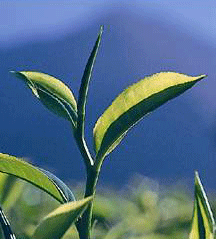
Green tea has come a long way from its humble beginnings in ancient China. Not only has it become the prevalent variety in many Asian countries, where it is now considered part of the cultural heritage; it has also recently enjoyed a growing number of followers in unexpected places like the US and Europe, historically more accustomed to black tea. The reasons behind its rise to fame in the West are evident: numerous health benefits and a pure, yet sophisticated taste. Nowadays, it even comes conveniently packaged and is enjoyed as a refreshment. The antioxidant-rich beverage is in a way a symbol for the renaissance of Epicureanism and crystallizes the modern consumers - level of implication in everyday health and wellbeing.
The health credentials of green tea are quite impressive: studies suggest potential uses in fighting different types of cancer, diabetes and heart diseases. It is effective against allergies, arthritis and even bad breath. Recently, a Japanese study found that green tea catechins may inhibit the loss of reference and working memory linked to plaque formation in the brain, which could help combat Alzheimer's disease, the most common form of dementia, affecting over 13 million people worldwide. It seems it's as close to an elixir of youth as it can get for aging baby-boomers and jaded urbanites.
The enthusiasm surrounding the green beverage can be felt in the boardrooms as well. With summer fast approaching, the ready-to-drink products are once again in the spotlight, with Nestle and the Japanese drink manufacturer Suntory teaming up to begin sales of upscale green tea drinks in an attempt to challenge the dominance of Ito En in the unsweetened green tea market.
For those with a sweet tooth, Coca-Cola has announced a facelift for the Nestea product line by means of improved packaging and new flavors in order to distinguish the range from its carbonated peers and improve its market position. Nestea is ranked fourth in the US, with eight and a half percent of the market, behind leaders Lipton, Arizona Tea and Snapple - which indicates only one thing: Americans like their tea sweet and the beverage still has a long way to go before it is enjoyed in its natural form.
The current situation suggests a clear split between two very different conceptions of ready-to-drink tea that coexist on the market today: the purist one, that focuses on traditional features like leaf quality, subtle flavor and brewing know-how, and the pragmatic one, which is about conciliating the health benefits of green tea (usually from concentrate) with the appeal of sweet flavors that many people are used to (usually from fructose or corn syrup).
The purist conception is certainly at risk of falling out of favor with people turned off by the "dull" taste and the relatively high purchase price. On the other hand, the pragmatic proposition carries a much greater danger of inducing the belief that antioxidants can somehow compensate for the typically mediocre nutritional profile of the drinks (similar to having a diet Coke with a super-sized McDonald's meal). For example, Canada Dry's Green Tea ginger ale contains beneficial green tea antioxidants, yet a 20oz. (600ml) drink represents 60 grams of sugar. The irony of it is that antioxidants are supposed to fight some of the very consequences of sugar-laden diets such as diabetes and cardiovascular diseases.
Health considerations aside, this dual identity touches upon an important question for everyone that enjoys the drink: what is the essence of green tea? Is it a mix of certain functional attributes that can be diluted and altered according to market trends or is it a "sovereign" beverage representing specific standards in provenance, quality and taste, and reflecting a lifestyle centered on physical and mental wellbeing?
The answer remains unclear and the customer's nutritional karma will certainly have the final word. In the meantime, fast food will continue to taste better with sparkling soft drinks.