 teatrends

Economic impact on the Tea Industry - Joe Simrany
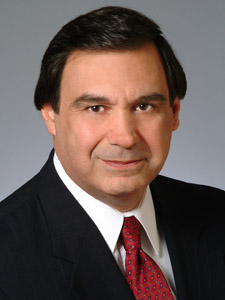
A conversation about the state of the Specialty Tea industry, impact of current economic downturn and broader picture for US businesses with Joseph P. Simrany, President of the US Tea Association.
Specialty tea has done extremely well over the last decade, evolving from niche to mass market status. How would you describe the state of the industry at the moment and what were some of the key drivers in its rise to popularity over the past few years?
Tea has been a relatively late bloomer in the United States. For the first 200 years or so it has maintained a sedentary existence and remained in the shadow of other more popular beverages such as coffee, soft drinks, and water.
In the face of this stagnation the industry, through its trade associations; the Tea Association of the USA and the Tea Council of the USA, was challenged to do something to jolt the beverage out of its morass. What ensued was a strategy and series of programs designed to associate tea consumption with a great many health benefits. These programs remain in force today and are in lock step with an ever expanding consumer desire to eat healthier. Over the last 20 years the Tea Council of the USA has spent millions of dollars to reinforce the message that tea is perhaps the healthiest beverage that consumers could drink and what started as a USA initiative has become the rallying call for the entire global tea industry.
While the health message was critical to taking the industry off life-support it certainly is not the only reason why tea has been transformed from mediocrity to vibrancy. The health message has served to make consumers and entrepreneurs more aware of tea and has allowed the industry to flourish by introducing new and exciting product formats such as RTD teas and Specialty Teas. These new forms are also in line with consumer needs and desires and should allow the industry to maintain its momentum despite the troubling economic times we find ourselves in.
Scientists have played a crucial role in identifying various health benefits of tea in fighting cardiovascular diseases, Alzheimer's and diabetes. Despite hundreds of studies on the beverage's health benefits, why is conclusive evidence still hard to come by in the scientific community and what positive steps could the Association take in light of increasing evidence on that subject?
There is no shortage of "conclusive evidence" amongst the thousands of scientific studies that have investigated the health benefits of tea. What are missing are clinical studies (studies conducted with real people as opposed to laboratory tests). Since these studies can cost many hundreds of thousands of dollars to conduct, in some cases millions of dollars and several years to complete, there is little that the Association could do with its current budget. During the interim, the Tea Association and Tea Council of the USA is maximizing the coverage of what we have to work with and routinely identifies between 600 million and one billion positive consumer impressions directly resulting from our PR efforts. We are convinced that it is only a matter of time before we will have the clinical studies required to petition for an official health claim.
The Specialty Tea industry was founded on consumers' desire for healthy, natural and high quality products. How might the current economic climate affect the playing field in the market and what measures are at the Association's disposal to bolster the sector during these tough times?
These are troubling times that we find ourselves in and the bad economy is likely to negatively affect every business segment in every country in the world. There is hardly anything that the Association might have in its arsenal to offset the damage done by the very institutions that we look to for stabilization.
Despite these troubling times, tea is inherently better positioned than most industries in that consumers always have a need for food, health, and tranquility all of which tea is uniquely qualified to deliver. It will call for some creativity on the part of specialty tea purveyors and perhaps a flexible approach to pricing to help reduce concerns of affordability.
Government regulators in the US and abroad have so far been quite stoic towards the plethora of scientific studies highlighting tea's potential. Is such a stance justified given the abundance of scientific evidence and how could a more favorable FDA position help the tea industry?
US regulators are reluctant players when it comes to the dissemination of food health claims beyond the traditional Food Pyramid Guidelines. They are very concerned that too many specific health guidelines will only serve to confuse consumers and distract them from the primary message. As a result of that inherent mind set, they have put together very specific requirements that must be met before they will even consider additional, product specific health claims. They apply these requirements consistently and very infrequently grant new health claims to specific classes of food.
Of course the Tea Industry would benefit greatly from a clearly worded, consumer friendly, health claim but in its absence there is still much that the Tea Council and the industry could do to reinforce the consumer perception that tea is indeed a healthy beverage.
Experts often cite America's capacity to innovate as a key to overcome crises and ensure economic prosperity. Which sector of the industry looks most dynamic in the current environment and where do you see the growth coming from in the foreseeable future?
Somewhere along the way to greatness the USA has lost its way to a point where there is precious little (except freedom and opportunity), that we excel at. The obvious area that we need to regain leadership in is in the area of innovation. Here we have the opportunity to set the pace for the rest of the world and lead the rest of the world from where we are today to where we could be in the future.
While innovation could play an important role in almost all industries, it is particularly important in the fields of energy, food, transportation, communications, medicine, micro & nano technology and the environment. These are all industries that are critical to our very existence and to the sustainability of the human race. The USA needs to beef up its educational facilities to ensure that we steer more of our young people into these important fields. Also we need to take such other actions to ensure that we remain a haven for the world's brightest minds to encourage them to learn here and work here towards breakthrough discoveries in each of these fields. Then and only then will we be in a position to regain our former prominence and respect.
While we are on the road to recapturing our former greatness we need to also provide political leadership from a standpoint of our actions both at home and abroad. We need to breathe new life into the United Nations and to help transform it from an impotent artifact to a vibrant humanitarian and peacekeeping force that operates on consensus flowing from old fashioned diplomacy. We have the resources to make this happen and all we need now is the resolve. Let us all hope for a good start in 2009.