







US study lauds tea for decreasing risk of cardiovascular events

New research offers further proof that moderate consumption of tea may reduce the risk of cardiovascular events. According to data published in the American Journal of Medicine, regular tea drinking may slow the progression of coronary artery calcium, which is associated with a higher incidence of cardiovascular events. Scientists studied the consumption patterns of over 6,500 ethnically diverse people over the course of over 10 years and found that respondents who drank one or more cups of tea per day had a lower prevalence of coronary artery calcium, which is an indicator of future risk of coronary disease. The observational study did not identify the process responsible for its efficacy, but its first author suggested antioxidants found in tea may be responsible in preventing some cardiovascular complications.
 visit website
discuss
email this article
visit website
discuss
email this article
India's e-auction system criticized by tea trade body

Pan-India electronic tea auction system may still have issues to iron out since its launch in July, at least according to Indian Tea Association, which claims the system is plagued by payment reconciliation issues and has thus far failed to deliver on its goal of realizing better prices for the commodity. Specifically, the board criticized the failure of the payment settlement system to interact with auction organizers and participants, leading to mismatches between tea deliveries and invoicing and a delay in clearing payments. Also, brokers and sellers are reportedly unable to reconcile tax invoices and correctly account for factors such as weight, tax and other order details when accepting purchases.
visit website
discuss
email this article
Rooibee in major rebranding effort
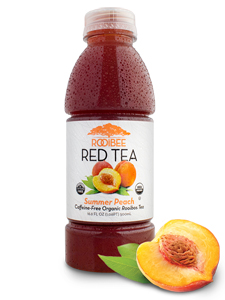
Ready-to-drink rooibos tea manufacturer Rooibee Red Tea announced a major branding revamp that includes a redesigned website, reworked packaging and a tweaked logo. The packaging design and website have adopted minimalist cues with a white background and colorful images of fruits taking center stage. The company also switched from a 12oz to 16oz bottle, bringing the design and bottle shape surprisingly close to those used by competitors Honest Tea and VitaminWater. Rooibee is seeking to realign the brand after a transitional period that saw the departure of longtime CEO Heather Howell and a short-lived stint by Bryon Evans. Accompanying the announcement, new CEO David Salmon shared plans for an aggressive national expansion in the premium grocery and convenience channels.
visit website
discuss
email this article